How To Safely Navigate Global Shipping Routes in 2026
A step-by-step guide to understanding critical shipping lanes and minimizing risks
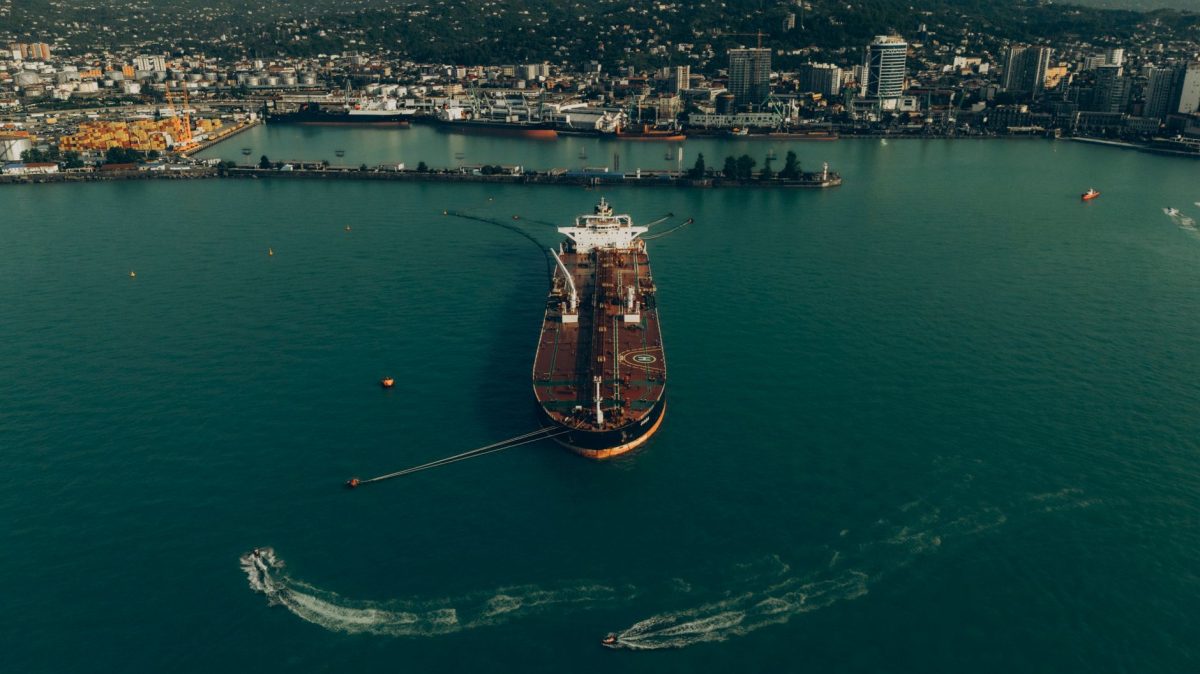
The shipping industry is a crucial part of the global economy, but navigating complex shipping routes comes with a range of risks. As tensions rise between nations and global events impact shipping lanes, it's essential to stay informed and take proactive steps to ensure your goods arrive safely. In this guide, we'll walk you through 5 actionable steps to help you navigate global shipping routes safely in 2026.
Step 1: **Identify** High-Risk Shipping Lanes
High-risk shipping lanes, such as the Strait of Hormuz, are often subject to geopolitical tensions, piracy, and other safety concerns. To identify these areas, use online tools like the Maritime Security Risk Map, which provides an interactive map of global shipping lanes and their associated risks. This information will help you plan your shipping routes accordingly.
Step 2: **Monitor** Global Events and Shipping News
Stay up-to-date with global events and shipping news to anticipate potential disruptions to shipping lanes. Follow reputable sources like the Lloyd's List, Shipping Times, or the International Maritime Organization (IMO) for the latest updates. This will help you prepare for any potential risks and adjust your shipping plans accordingly.
Step 3: **Choose** Reliable Shipping Carriers
Selecting a reliable shipping carrier is crucial to ensuring the safe transportation of your goods. Research carriers with a strong safety record and experience navigating high-risk areas. Look for carriers that comply with international safety standards and regulations, such as the International Safety Management (ISM) Code.
Step 4: **Implement** Robust Safety Protocols
Develop and implement robust safety protocols to mitigate risks associated with shipping. This includes ensuring your cargo is properly secured, using advanced navigation systems, and maintaining regular communication with your shipping carrier. Consider investing in security services, such as armed guards or surveillance systems, to protect against piracy and theft.
Step 5: **Plan** for contingencies
Accidents or unforeseen events can still occur despite your best efforts. Plan for contingencies by identifying potential risks and developing strategies to respond to them. This includes having a crisis management plan in place, securing insurance coverage, and maintaining a 24/7 emergency response team.
Don't underestimate the importance of **collaboration** with your shipping carrier and other stakeholders. By working together, you can share risk, improve communication, and develop more effective safety protocols.
By following these 5 steps, you'll be better equipped to navigate global shipping routes safely in 2026. Remember to stay informed, choose reliable carriers, and plan for contingencies to minimize risks and ensure the safe transportation of your goods.