More LNG, Japan-linked vessels transit Hormuz despite Iran-US tensions, oil prices rise

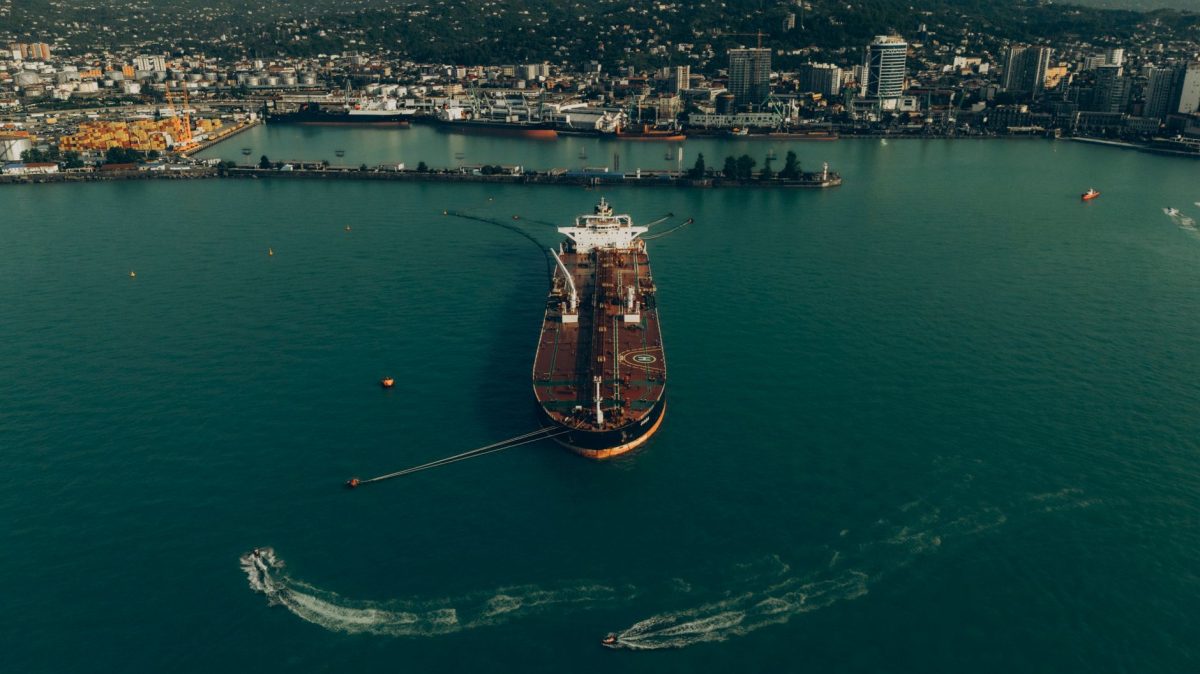
At least three LNG tankers linked to Japanese companies have transited the Strait of Hormuz this week, defying concerns that the recent Iran-US escalation would disrupt global oil supplies.
LNG Tankers and Oil Vessels Continue to Transit Hormuz
According to shipping data and sources, at least three LNG tankers linked to Japanese companies have successfully transited the Strait of Hormuz since the Iran-US tensions escalated last week. The vessels include the LNG Sakura, LNG Santoku, and LNG Sora, all of which are operated by Japanese energy companies. This development has significant implications for global energy markets, as the Strait of Hormuz is a critical chokepoint for oil and gas supplies. The Strait is a narrow waterway that connects the Persian Gulf to the Gulf of Oman, and it is estimated that approximately 20% of the world's oil supply passes through it. Account to the US Energy Information Administration (EIA) shows that oil exports through the Strait have remained stable despite the tensions.
Rising Oil Prices and Global Economic Implications
The continued transit of LNG tankers and oil vessels through the Strait of Hormuz has helped to stabilize oil prices, which had risen sharply in response to the Iran-US tensions. The Brent crude oil price, a global benchmark, has decreased by approximately 5% since the tensions escalated. However, the price remains above $70 per barrel, a level that is considered high by historical standards. The impact of rising oil prices on the global economy cannot be overstated. Higher oil prices can lead to higher transportation costs, increased inflation, and reduced economic growth. According to the International Energy Agency (IEA), a 10% increase in oil prices can lead to a 0.2-0.3% decrease in global economic growth.

“The continued transit of LNG tankers and oil vessels through the Strait of Hormuz is a positive development for the global economy. However, we must remain vigilant and monitor the situation closely, as tensions between Iran and the US can escalate at any moment.”
What We Don't Know Yet
Despite the continued transit of LNG tankers and oil vessels through the Strait of Hormuz, there are still many uncertainties surrounding the situation. The US and Iran have not yet reached a diplomatic solution, and the risk of military conflict remains high. Additionally, the impact of rising oil prices on the global economy is still unfolding, and it is unclear how governments and businesses will respond. The EIA has warned that a prolonged period of high oil prices could lead to a decrease in global oil demand.
Key Takeaways
- At least three LNG tankers linked to Japanese companies have transited the Strait of Hormuz since the Iran-US tensions escalated.
- LNG tankers and oil vessels continue to pass through the Strait despite rising tensions between Iran and the US.
- The global oil market has been stabilized by the continued transit of LNG tankers and oil vessels through the Strait of Hormuz.
- The impact of rising oil prices on the global economy is still unfolding, and it is unclear how governments and businesses will respond.
- A prolonged period of high oil prices could lead to a decrease in global oil demand.
- The situation in the Strait of Hormuz remains volatile, and the risk of military conflict between the US and Iran remains high.
What to Watch
In the coming days and weeks, several key players will be watching the situation in the Strait of Hormuz closely. The US and Iran will be closely monitoring each other's military movements, and the global oil market will be looking for any signs of disruption to oil supplies. The Saudi Arabian government has warned that any disruption to oil supplies through the Strait of Hormuz would have a significant impact on global oil prices.
Despite being a critical chokepoint for global oil supplies, the Strait of Hormuz is only 21 miles wide at its narrowest point.
The continued transit of LNG tankers and oil vessels through the Strait of Hormuz is a positive development for the global economy, but it is essential to remain vigilant and monitor the situation closely. The impact of rising oil prices on the global economy is still unfolding, and it is unclear how governments and businesses will respond.