How To Stay Safe in a Conflict Zone in 7 Steps
Protect yourself and your loved ones with our comprehensive guide to staying safe in areas of conflict
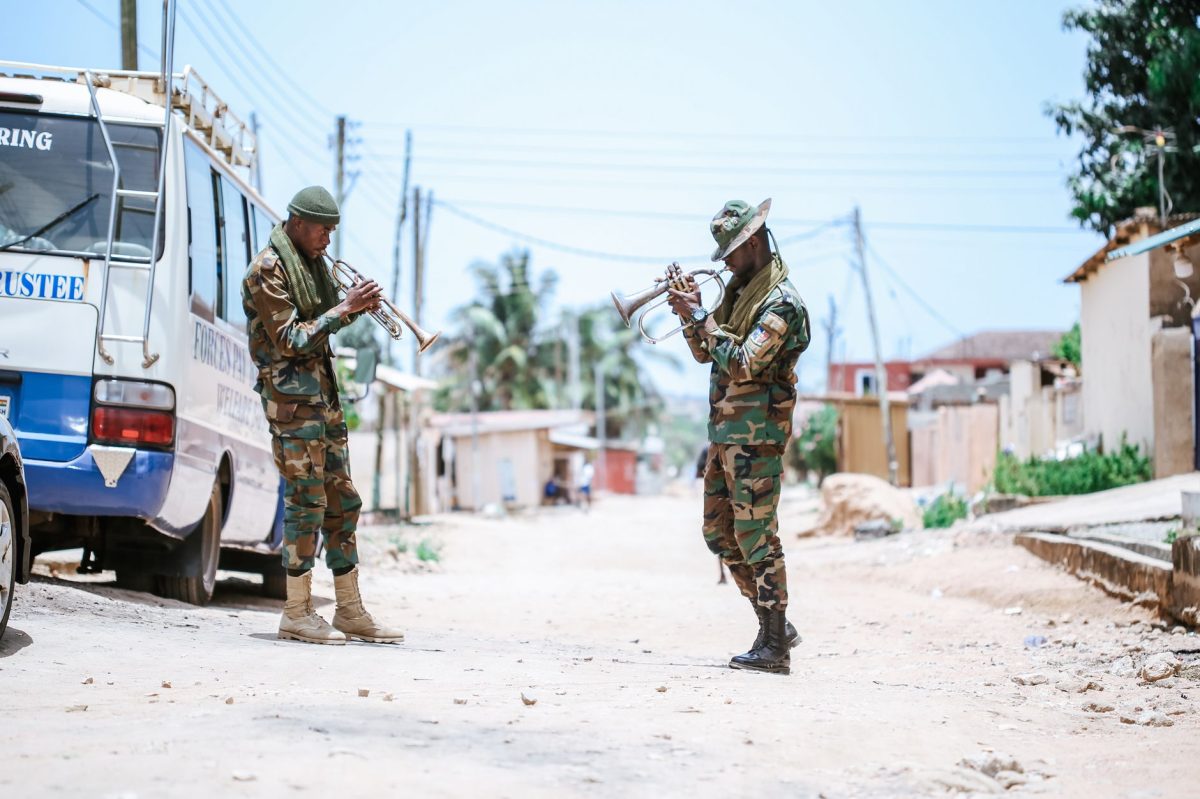
With ongoing conflicts in various parts of the world, it's essential to know how to stay safe in a conflict zone. Whether you're a traveler, an expat, or living in an area prone to conflict, this guide will help you understand the risks and take necessary precautions. In this article, we'll outline 7 steps to help you stay safe in a conflict zone.
Step 1: **Monitor Local Conditions**
Stay informed about the local situation by following reliable news sources, government travel advisories, and social media updates. Websites like the US Department of State's Travel Advisory website (travel.state.gov) and the UK's Foreign and Commonwealth Office (gov.uk/foreign-travel-advice) provide up-to-date information on safety and security conditions. You can also follow local news outlets and government agencies on social media to stay informed about any changes in the situation.
Step 2: **Create a Safety Plan**
Develop a safety plan that includes evacuation routes, safe meeting points, and emergency contact numbers. Identify safe zones and shelters in your area, and make sure you and your family know how to get there quickly. You can use a planner or a note-taking app like Evernote to create a detailed safety plan.
Step 3: **Stay Informed About Local Security Measures**
Understand the local security measures and protocols, such as curfews, checkpoints, and travel restrictions. Familiarize yourself with the local police and military presence, and know how to behave around them. You can also contact your embassy or consulate for advice on how to stay safe in the area.
Step 4: **Avoid Conflict Hotspots**
Avoid areas known to be conflict hotspots, such as border regions or areas with a history of violence. Use a map or a GPS app like Google Maps to plan your route and avoid these areas. You can also ask locals or expats for advice on safe areas to visit.
Step 5: **Stay Connected with Family and Friends**
Keep your family and friends informed about your whereabouts and safety. Use social media or messaging apps like WhatsApp to stay in touch, and make sure they know how to reach you in case of an emergency. You can also register with your government's emergency services department to stay connected in case of an emergency.
Step 6: **Prepare an Emergency Kit**
Pack an emergency kit with essential items such as food, water, first aid supplies, and a battery-powered radio. You can also include important documents like your passport, ID, and insurance cards. Make sure you and your family know how to use the items in your emergency kit and have a plan for how to access them quickly.
Step 7: **Stay Calm and Patient**
In the event of a conflict or emergency, stay calm and patient. Avoid panicking or making rash decisions, and follow your safety plan. Remember that conflicts can be unpredictable, and it's essential to stay flexible and adapt to changing circumstances. You can also use relaxation techniques like deep breathing or meditation to stay calm during stressful situations.
Consider taking a conflict zone safety training course to learn more about staying safe in high-risk areas. These courses can provide you with hands-on training and expert advice on how to stay safe in conflict zones.
By following these 7 steps, you can significantly reduce your risk of injury or harm in a conflict zone. Remember to stay informed, create a safety plan, and stay connected with family and friends. With the right preparation and mindset, you can stay safe and adapt to changing circumstances.