Nigeria U.S. Troops Partial Withdrawal Hints at Shift in Military Strategy

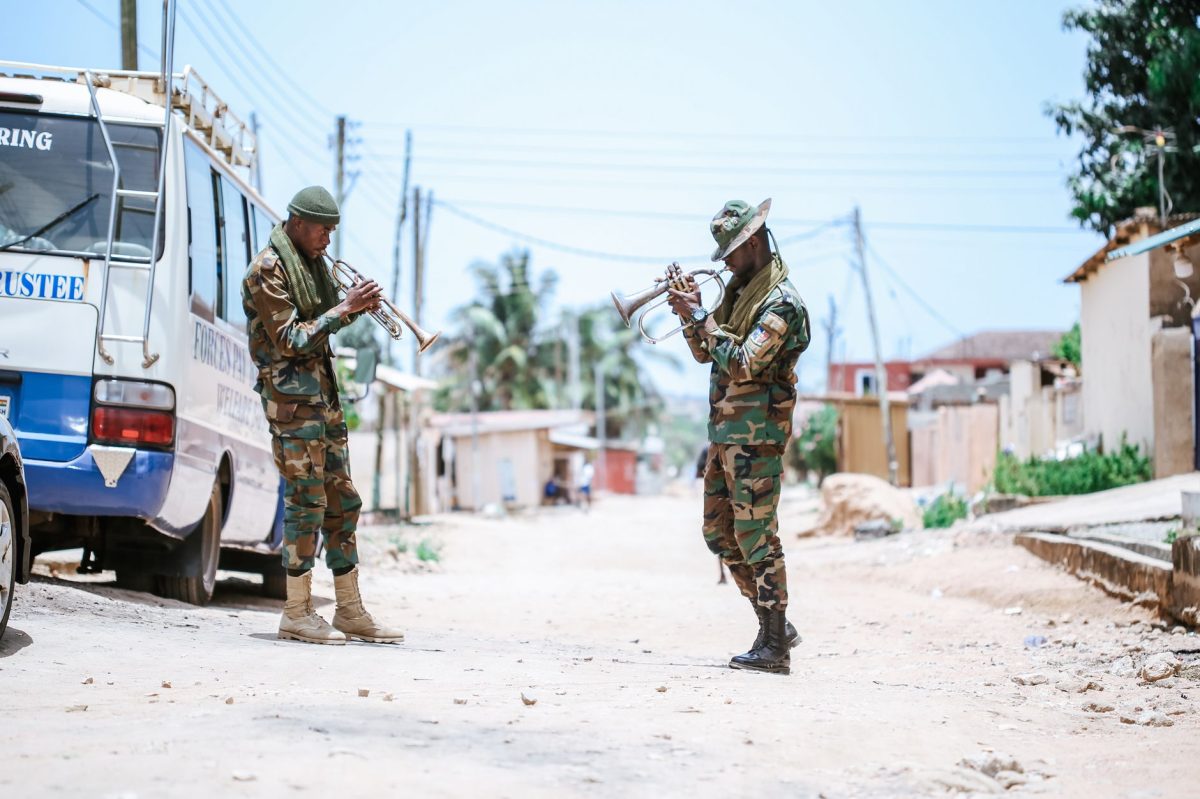
The partial withdrawal of U.S. troops from Nigeria by Africom Commander, General Michael Langley, has significant implications for the country's military and regional security dynamics. The withdrawal, which includes much of the forces deployed for the operation, suggests a shift in the U.S. military strategy in the region. This move could have far-reaching consequences for Nigeria's security forces and the country's ability to combat terrorism and insurgency.
Africom Commander Announces Partial Withdrawal of U.S. Troops
According to the Premium Times, Africom Commander, General Michael Langley, announced the partial withdrawal of U.S. troops from Nigeria. In a recent statement, General Langley said, 'We have withdrawn much of our forces that were just there for that operation.' The operation in question is believed to be the joint military operation between the U.S. and Nigerian military forces against Boko Haram and other terrorist groups. General Langley's statement suggests that the U.S. military has completed its objectives in the operation and is now scaling back its presence in the country. The withdrawal of U.S. troops is expected to have significant implications for the Nigerian military and its ability to combat terrorism and insurgency in the region. The U.S. military has been involved in various operations in Nigeria, including providing training and logistical support to the Nigerian military. The withdrawal of U.S. troops may also have implications for the regional security dynamics, particularly in the context of the ongoing fight against Boko Haram and other terrorist groups in the Sahel region.
Why the Withdrawal Matters
The withdrawal of U.S. troops from Nigeria is significant because it suggests a shift in the U.S. military strategy in the region. The U.S. military has been involved in various operations in Nigeria, including providing training and logistical support to the Nigerian military. The withdrawal of U.S. troops may indicate that the U.S. military is re-evaluating its priorities in the region and focusing on other areas of interest. This shift in strategy could have far-reaching consequences for Nigeria's security forces and the country's ability to combat terrorism and insurgency. The Nigerian military has been struggling to combat Boko Haram and other terrorist groups, and the withdrawal of U.S. troops may exacerbate these challenges. Additionally, the withdrawal of U.S. troops may also have implications for the regional security dynamics, particularly in the context of the ongoing fight against Boko Haram and other terrorist groups in the Sahel region. This could lead to a power vacuum in the region, allowing terrorist groups to exploit the situation and expand their influence. Furthermore, the withdrawal of U.S. troops may also have implications for the economic and humanitarian situation in the region, particularly in countries such as Mali, Niger, and Chad, which are already facing significant challenges.


“We have withdrawn much of our forces that were just there for that operation,”
What We Don't Know Yet
The withdrawal of U.S. troops from Nigeria is significant, but there are many questions that remain unanswered. One of the key questions is what the long-term implications of the withdrawal will be for Nigeria's security forces and the country's ability to combat terrorism and insurgency. The U.S. military has been involved in various operations in Nigeria, including providing training and logistical support to the Nigerian military. The withdrawal of U.S. troops may indicate that the U.S. military is re-evaluating its priorities in the region and focusing on other areas of interest. Another key question is what the implications of the withdrawal will be for regional security dynamics. The Sahel region is already facing significant challenges, including terrorism, insurgency, and humanitarian crises. The withdrawal of U.S. troops from Nigeria may exacerbate these challenges, particularly in countries such as Mali, Niger, and Chad. It is also unclear what the implications of the withdrawal will be for the U.S. military's relationship with African nations. The U.S. military has been providing training and logistical support to African military forces, but the withdrawal of U.S. troops from Nigeria may indicate that the U.S. military is re-evaluating its priorities in the region and focusing on other areas of interest.
What to Watch
The withdrawal of U.S. troops from Nigeria is significant, and there are many developments that will be worth watching in the coming days and weeks. One key development to watch is the reaction of the Nigerian military to the withdrawal of U.S. troops. The Nigerian military has been struggling to combat Boko Haram and other terrorist groups, and the withdrawal of U.S. troops may exacerbate these challenges. Another key development to watch is the implications of the withdrawal for regional security dynamics. The Sahel region is already facing significant challenges, including terrorism, insurgency, and humanitarian crises. The withdrawal of U.S. troops from Nigeria may exacerbate these challenges, particularly in countries such as Mali, Niger, and Chad. It is also worth watching the implications of the withdrawal for the U.S. military's relationship with African nations. The U.S. military has been providing training and logistical support to African military forces, but the withdrawal of U.S. troops from Nigeria may indicate that the U.S. military is re-evaluating its priorities in the region and focusing on other areas of interest.
Despite the withdrawal of U.S. troops, Nigeria still hosts the largest U.S. military presence in West Africa, with an estimated 1,200 personnel based in the country.
The withdrawal of U.S. troops from Nigeria is a significant development that highlights the complexities of the U.S. military's involvement in Africa. The U.S. military has been involved in various operations in Africa, including providing training and logistical support to African military forces. However, the U.S. military's involvement in Africa has been criticized for being overly focused on counter-terrorism operations, rather than addressing the root causes of conflict and instability in the region. As the situation in Nigeria and the Sahel region continues to evolve, it is essential to understand the implications of the withdrawal of U.S. troops from Nigeria and the potential consequences for regional security dynamics and the U.S. military's relationship with African nations.