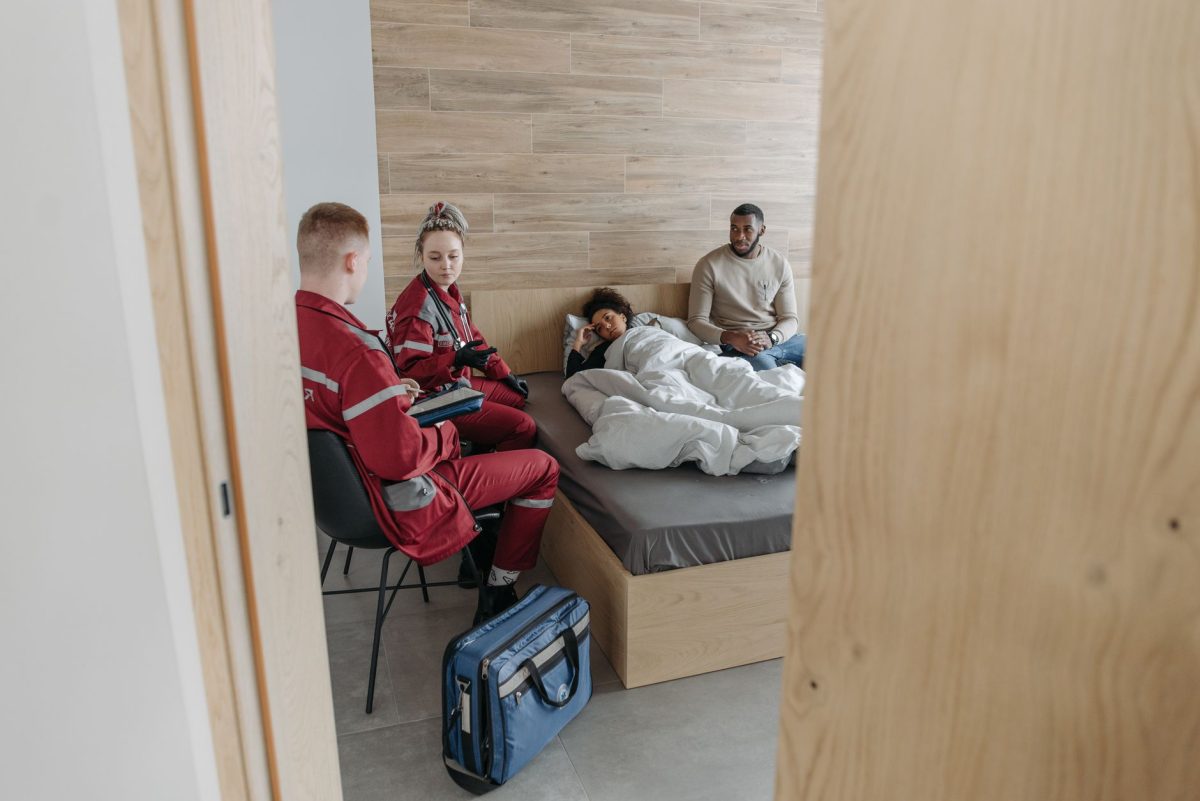
How To Prepare For Natural Disasters Like South Africa's Floods in 10 Steps
Protect yourself, your family, and your community with these essential steps to disaster preparedness
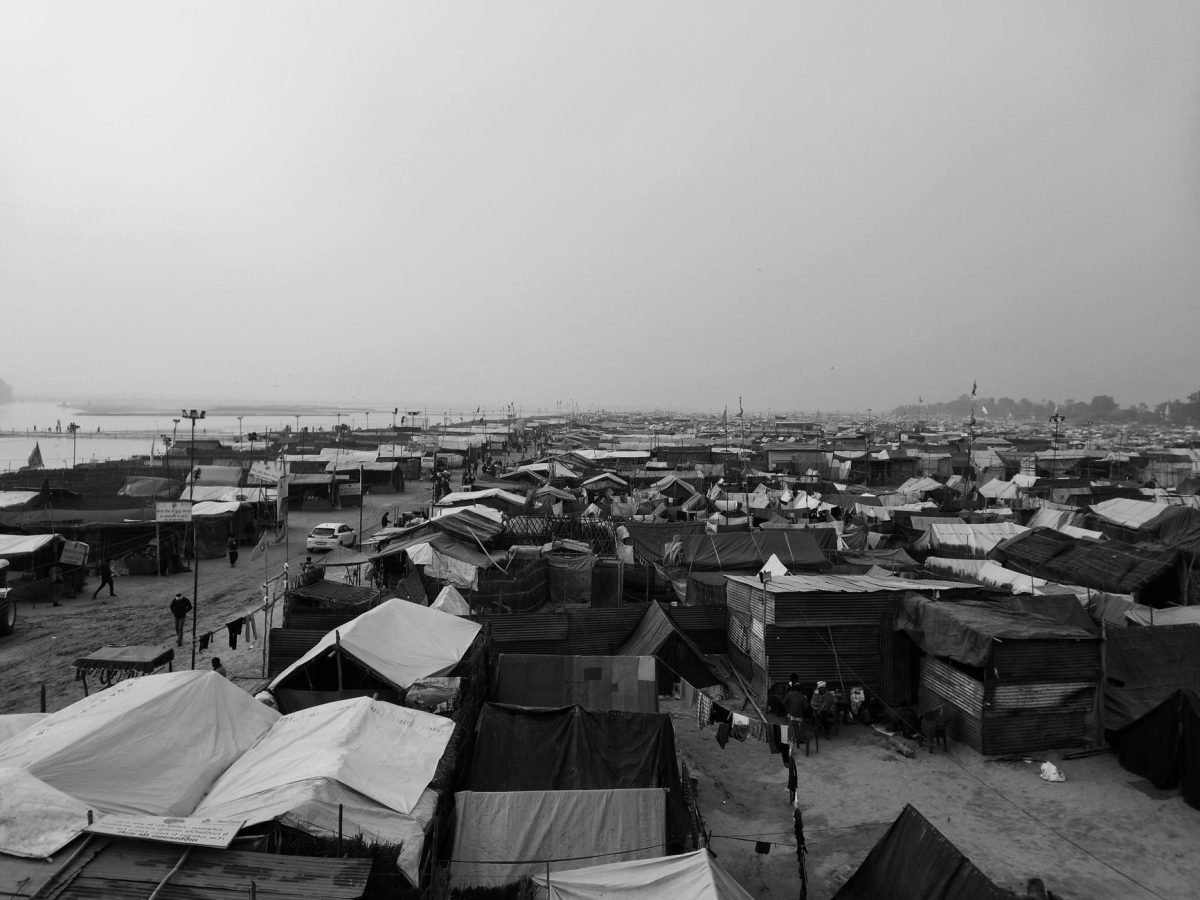
With natural disasters becoming increasingly common, it's essential to be prepared. The recent floods in South Africa have left thousands displaced, highlighting the importance of having a plan in place. Follow these 10 steps to ensure you're ready for any disaster that may come your way.
Step 1: Create an Emergency Response Plan
Develop a family emergency plan that includes contact information, evacuation routes, and a meeting point in case you get separated. Make sure all family members understand the plan and practice it regularly. You can use the FEMA Emergency Response Plan template to get started. This will take about 20 minutes to complete.
Step 2: Stock an Emergency Kit
Assemble a disaster supply kit with essentials like non-perishable food, water, first aid supplies, and a battery-powered radio. Consider adding a portable charger for your phone and a whistle to signal for help. Aim to stock a minimum of 3 days' worth of supplies. This will take about 1 hour to complete.
Step 3: Identify Safe Zones in Your Home
Identify safe rooms in your home, such as a basement or an interior room on the lowest floor. Make sure these rooms are easy to access and have a clear escape route. You can use the American Red Cross Safe Room Guide to help you identify safe zones. This will take about 30 minutes to complete.
Step 4: Secure Your Home
Reinforce your home's roof and foundation to prevent damage from high winds and floods. Consider installing storm shutters or impact-resistant windows. You can also use sandbags to protect your home from floodwaters. This will take about 2 hours to complete.
Step 5: Stay Informed
Stay up-to-date with weather forecasts and emergency alerts from your local government. Sign up for emergency alerts on your phone and check the weather app regularly. You can also use a weather radio to stay informed during a disaster. This will take about 10 minutes to complete.
Step 6: Prepare for Power Outages
Have a backup power source, such as a portable generator or batteries, in case of a power outage. Make sure you have a plan for alternative lighting and cooking. You can also use candles and flashlights as a backup. This will take about 30 minutes to complete.
Step 7: Protect Your Valuables
Consider flood-proofing your valuables, such as important documents and irreplaceable items, by storing them in a waterproof container or safe deposit box. Make digital copies of your important documents and store them online. This will take about 1 hour to complete.
Step 8: Plan for Evacuation
Identify safe evacuation routes from your home and neighborhood. Make sure you have a plan for how you'll get out of your area in case of an emergency. You can use the FEMA Evacuation Route Guide to help you identify safe routes. This will take about 30 minutes to complete.
Step 9: Stay Safe During the Disaster
Stay informed and calm during the disaster. Follow the instructions of local authorities and stay away from floodwaters and fallen power lines. You can also use a disaster relief app, such as the American Red Cross app, to stay informed and connect with loved ones. This will take about 20 minutes to complete.
Step 10: Review and Update Your Plan
Regularly review and update your emergency response plan to ensure it remains relevant and effective. Make sure all family members understand the plan and practice it regularly. You can use the FEMA Emergency Response Plan Review Template to help you review and update your plan. This will take about 1 hour to complete.
Many people overlook the importance of **mental preparation** for disasters. Make sure you have a plan in place to cope with the emotional stress of a disaster, such as meditation or counseling.
By following these 10 steps, you'll be well-prepared for any natural disaster that may come your way. Remember to review and update your plan regularly to ensure it remains effective. Start your disaster preparedness plan today and stay safe!