Thousands Displaced in South Africa Moved to New Musina Repatriation Centre

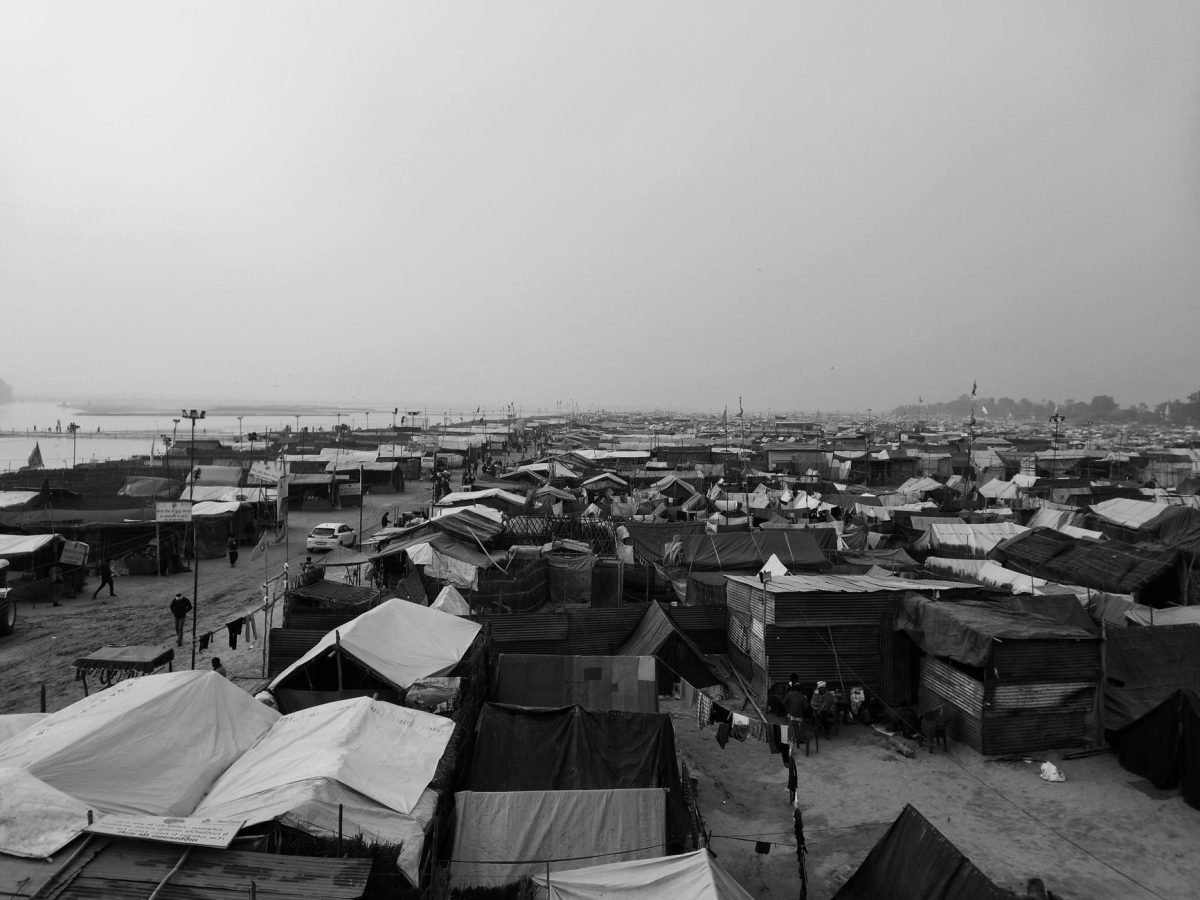
The South African government has relocated thousands of displaced individuals to the new Musina Repatriation Centre, where conditions, although improved, are still subpar.
Thousands Moved to New Musina Repatriation Centre
According to a report by GroundUp, the South African government has relocated thousands of displaced individuals to the new Musina Repatriation Centre. Account to GroundUp, the centre has been operational since January 2024, and it is designed to provide a more humane living environment for those who have been displaced. However, despite the efforts to improve conditions, facilities at the centre remain inadequate, and food is in short supply. One small concrete detail that highlights the struggles faced by residents is that many have to share toilets with multiple families, leading to unsanitary conditions. As per GroundUp, the residents have expressed concerns about the lack of access to basic amenities and the need for improved infrastructure. The centre has a capacity to house over 5,000 individuals, but it is unclear how many have been relocated so far.
Why Improved Conditions Matter
The relocation of thousands of displaced individuals to the new Musina Repatriation Centre is a crucial step towards addressing the needs of those affected by poverty and displacement. The improvement in conditions at the centre is a significant achievement, but it highlights the broader pattern of inadequate housing and infrastructure in South Africa. The country has been grappling with issues of poverty, inequality, and poor living conditions, and this is reflected in the number of displaced individuals seeking refuge in centres like Musina. The government's efforts to improve conditions at the centre demonstrate a commitment to addressing these issues, but more needs to be done to ensure that all individuals have access to basic amenities and a safe living environment. Furthermore, the centre's location in Musina, a border town, raises questions about the economic opportunities and resources available to residents, and how the government plans to address these issues. As per GroundUp, the residents have expressed concerns about the lack of job opportunities and the need for economic empowerment. The government's response to these concerns will be crucial in determining the centre's long-term success.

“A spokesperson for the South African government stated that the relocation of displaced individuals to the new Musina Repatriation Centre is part of a broader effort to address poverty and inequality in the country. The spokesperson emphasized that the government is committed to providing a safe and humane living environment for all individuals, and that the centre is designed to meet the needs of those who have been displaced.”
What We Don't Know Yet
There are several questions that remain unanswered regarding the new Musina Repatriation Centre. For instance, it is unclear how the centre will be funded, and what resources will be allocated to support the residents. Additionally, the centre's long-term sustainability is uncertain, and it is unclear how the government plans to address the broader issues of poverty and inequality. The centre's location in Musina also raises questions about the economic opportunities and resources available to residents, and how the government plans to address these issues. Furthermore, there is a lack of transparency around the centre's operations, and it is unclear how decisions are being made regarding the allocation of resources and the provision of services. These questions highlight the need for continued monitoring and evaluation of the centre's operations, and for the government to be transparent about its plans and policies. As per GroundUp, the residents have expressed concerns about the lack of access to information and the need for greater transparency. The government's response to these concerns will be crucial in determining the centre's long-term success.
Key Takeaways
- Thousands of displaced individuals have been relocated to the new Musina Repatriation Centre in South Africa.
- Conditions at the centre have improved, but facilities remain inadequate and food is in short supply.
- The centre is designed to provide a safe and humane living environment for those who have been displaced.
- The government's efforts to improve conditions at the centre demonstrate a commitment to addressing poverty and inequality.
- The centre's long-term sustainability is uncertain, and it is unclear how the government plans to address the broader issues of poverty and inequality.
What to Watch
In the coming days and weeks, several key issues will need to be addressed to ensure the long-term success of the new Musina Repatriation Centre. Firstly, the government will need to provide clear information about the centre's operations, including the allocation of resources and the provision of services. Secondly, the centre's sustainability will need to be addressed, including how it will be funded and what resources will be allocated to support the residents. Finally, the government will need to respond to the concerns raised by residents, including the need for greater transparency and the provision of economic opportunities. The government's response to these issues will be closely watched, and will determine the centre's long-term success.
Despite the challenges, some residents at the centre have formed a community garden, which has not only provided them with a source of fresh produce but also a sense of hope and community.
The new Musina Repatriation Centre represents a significant achievement in addressing the needs of displaced individuals in South Africa, but it also highlights the broader pattern of inadequate housing and infrastructure in the country. The government's efforts to improve conditions at the centre demonstrate a commitment to addressing poverty and inequality, but more needs to be done to ensure that all individuals have access to basic amenities and a safe living environment. The centre's long-term sustainability is uncertain, and it is unclear how the government plans to address the broader issues of poverty and inequality. As the situation continues to unfold, it is essential to remain vigilant and to monitor the government's response to the concerns raised by residents. The future of the centre and the lives of those who reside there depend on it.