How To Live In Harmony With Local Wildlife
A 5-Step Guide to Coexisting with Birds and Other Animals
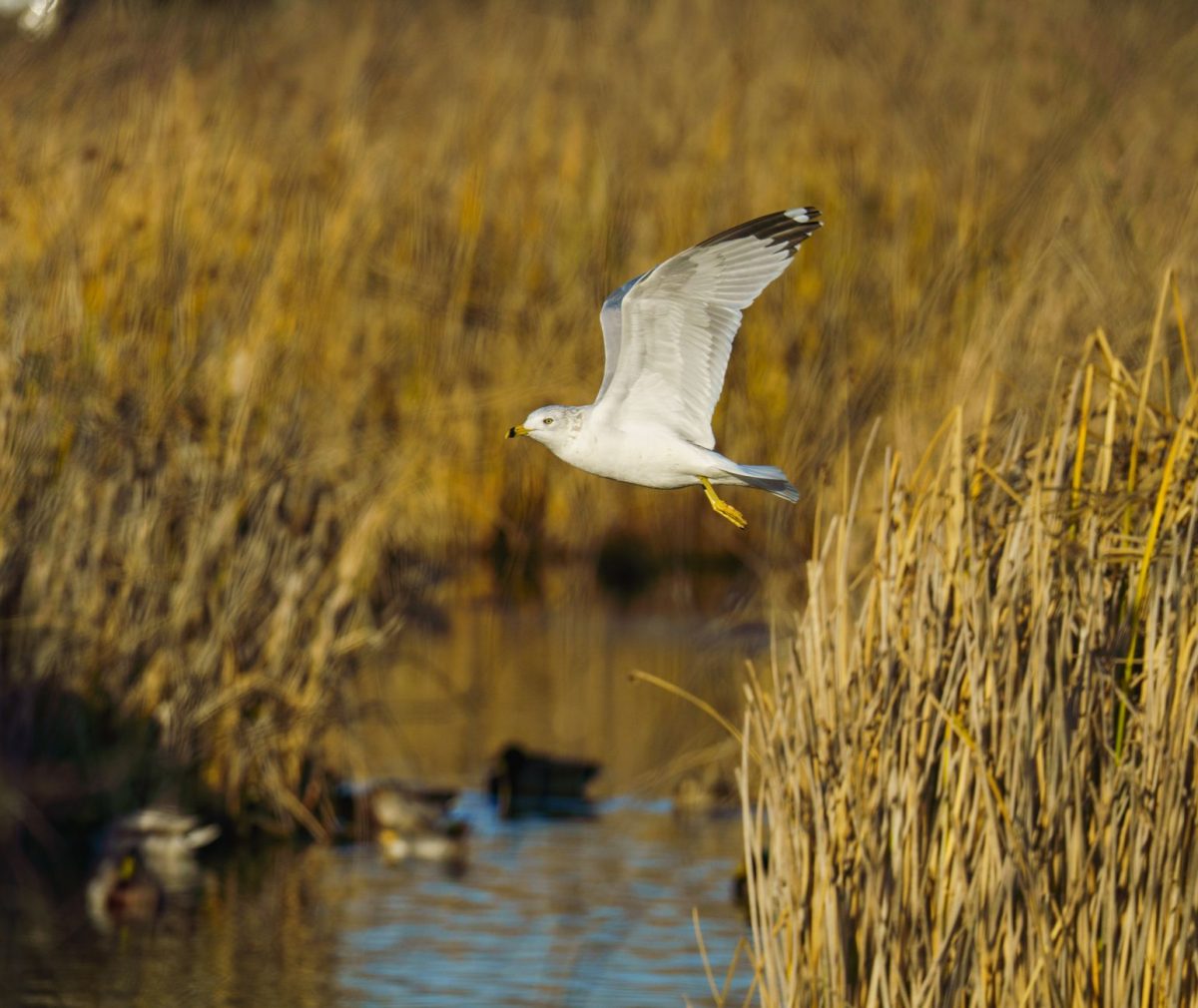
Are you tired of feeling like you're living in a wildlife war zone? With the increasing number of encounters between humans and animals, it's becoming more and more important to learn how to live in harmony with local wildlife. In this guide, we'll show you 5 simple steps to peacefully coexist with birds, gulls, and other animals.
Step 1: **Understand** the Local Wildlife
Before you can start living in harmony with local wildlife, you need to understand what species are present in your area. Use online tools like the Royal Society for the Protection of Birds (RSPB) Bird Identifier to learn about the different types of birds and their habitats. This will help you identify potential problem areas and take proactive steps to prevent conflicts.
Step 2: **Secure** Your Property
Gulls and other birds are often attracted to food sources and trash. Make sure to secure your property by keeping trash cans tightly sealed and storing them in a secure location. Consider using bird-proof trash cans or bins with tight-fitting lids. This will help reduce the likelihood of attracting unwanted wildlife to your property.
Step 3: **Deter** Wildlife Using Non-Lethal Methods
While it may be tempting to use lethal methods to control wildlife, there are many non-lethal alternatives available. Use visual deterrents like fake owls, balloons, or streamers to scare away gulls and other birds. You can also try using noise-making devices or ultrasonic repellents to discourage wildlife from visiting your property.
Step 4: **Communicate** with Your Neighbors
Living in harmony with local wildlife often requires collaboration with your neighbors. Communicate with them about your plans to control wildlife and ask for their input and suggestions. By working together, you can create a more harmonious environment for both humans and animals.
Step 5: **Monitor** and Adjust
To ensure that your efforts are effective, it's essential to monitor the situation and make adjustments as needed. Keep a record of any wildlife encounters and the steps you take to control them. This will help you identify patterns and make informed decisions about how to improve your wildlife coexistence strategy.
Don't underestimate the importance of patience and persistence when it comes to living in harmony with local wildlife. It may take time and effort to see results, but with a consistent and well-planned approach, you can create a more peaceful coexistence with birds and other animals.
By following these 5 simple steps, you can start living in harmony with local wildlife. Remember to be patient and persistent, and don't be afraid to ask for help when you need it. With time and effort, you can create a more peaceful environment for both humans and animals.