How To Protect Humanitarian Aid During Conflict: 7 Essential Tips
Preventing the destruction of aid warehouses and equipment in crisis zones with expert advice
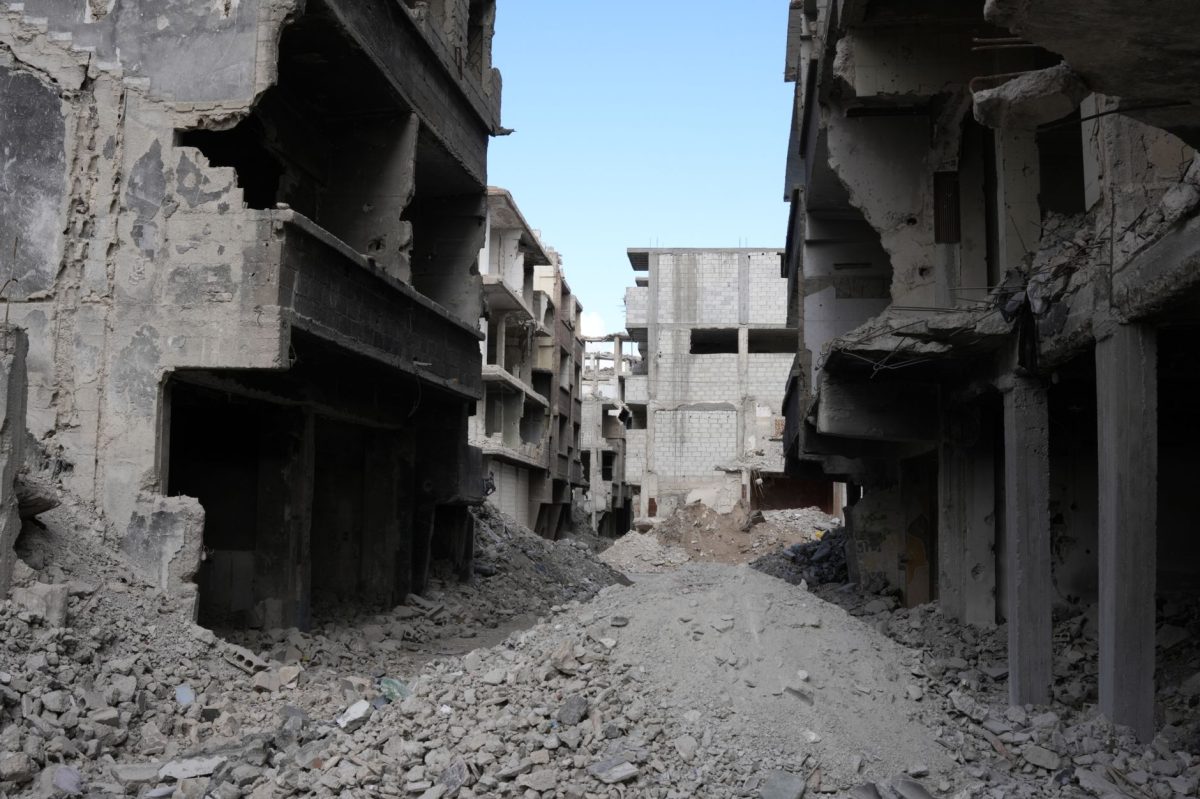
Humanitarian aid is often the difference between life and death in conflict zones, but its destruction can be devastating. A recent attack on Kyiv highlights the urgent need for effective aid security measures. In this guide, we'll share 7 essential tips on how to protect humanitarian aid during conflict, helping you save lives and reduce the risk of loss.
Step 1: **Conduct a Risk Assessment**
Before any aid is transported to a conflict zone, conduct a comprehensive risk assessment to identify potential threats. Consider factors such as local security conditions, infrastructure, and environmental hazards. Use tools like the World Food Programme's (WFP) Risk Management Framework or the United Nations' (UN) Humanitarian Coordination Framework to guide your assessment. This will help you develop a tailored security plan to mitigate risks and protect aid.
Step 2: Choose Secure Storage Facilities
Select storage facilities that meet international humanitarian standards, such as those set by the International Committee of the Red Cross (ICRC) and the UN. Ensure that facilities are located in secure areas, have adequate fencing and surveillance, and are easily accessible in case of an emergency. Consider using temporary or mobile storage solutions, such as shipping containers or inflatable warehouses, to reduce the risk of damage or destruction.
Step 3: Implement Locking Mechanisms
Use robust locking mechanisms, such as combination locks or digital padlocks, to secure aid warehouses and containers. Consider using tamper-evident seals or RFID tracking devices to monitor the movement and status of aid shipments. This will help prevent unauthorized access and minimize the risk of theft or damage.
Step 4: Train Staff and Volunteers
Provide staff and volunteers with comprehensive training on aid security procedures, including emergency response planning and equipment operation. Ensure they understand the importance of confidentiality, integrity, and safety when handling aid. Consider using online training platforms, such as the ICRC's e-learning modules or the UN's Humanitarian Online Learning Platform.
Step 5: Develop an Emergency Response Plan
Create a detailed emergency response plan that outlines procedures for responding to incidents such as attacks, fires, or natural disasters. Identify key roles and responsibilities, establish communication protocols, and designate evacuation routes. Regularly review and update the plan to ensure it remains effective and relevant. Consider using emergency response software, such as the UN's Emergency Response Management System (ERMS).
Step 6: Monitor Aid Shipment Movement
Implement tracking and monitoring systems, such as RFID or GPS tracking devices, to monitor the movement and status of aid shipments. Consider using third-party logistics providers or transportation companies with experience in humanitarian aid delivery. Regularly update logistics plans and adapt to changing circumstances, such as security threats or weather events.
Step 7: Review and Improve Procedures
Regularly review and update aid security procedures to ensure they remain effective and relevant. Analyze incidents and near misses to identify areas for improvement and implement corrective actions. Consider conducting regular audits and risk assessments to maintain a high level of security. This will help prevent the destruction of aid and ensure that humanitarian efforts are not compromised by conflict-related risks.
Many aid organizations overlook the importance of **staff security training**, which can significantly reduce the risk of aid loss or compromise. Ensure that staff and volunteers understand the importance of security protocols and are equipped to respond effectively in emergency situations.
By following these 7 essential tips, you can significantly reduce the risk of aid loss or destruction during conflict. Remember to regularly review and update your procedures to maintain a high level of security and ensure that humanitarian efforts are not compromised. Take the first step today and protect the aid that saves lives.