How To Prepare For A Natural Disaster: The 5 Ways
Get ready for emergencies with expert advice and actionable tips, no matter your location
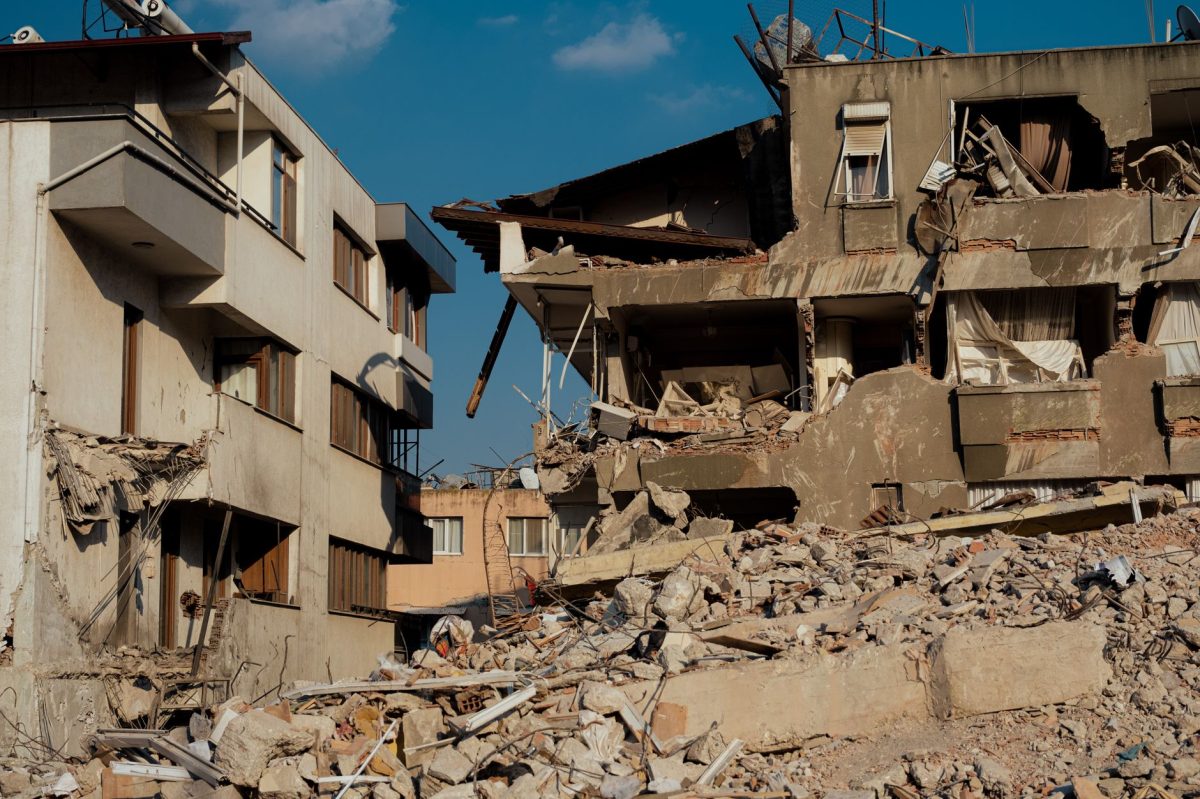
Natural disasters can strike at any moment, causing destruction and chaos. Being prepared is key to staying safe and minimizing damage. In this guide, we'll show you the essential steps to take to prepare for a natural disaster, including creating an emergency kit, staying informed, and more.
Step 1: Create A Disaster Emergency Kit
Assemble a kit with essential items like water, non-perishable food, first aid supplies, and a battery-powered radio. Aim for at least a 3-day supply of each item. You can also purchase a pre-made emergency kit or start with a basic kit and add items gradually. Check your kit regularly to ensure everything is still usable and not expired.
Step 2: Develop A Communication Plan
Create a plan with your family that includes contact information, meeting points, and evacuation routes. Designate a out-of-state contact person in case you get separated. Make sure all family members know the plan and can communicate effectively during an emergency. Use a tool like the FEMA app (available for both iOS and Android) to receive emergency alerts and stay informed.
Step 3: Stay Informed And Up-To-Date
Sign up for emergency alerts from your local government and weather service. Follow news outlets and emergency management agencies on social media to stay informed about potential disasters. You can also use apps like Dark Sky (iOS and Android) to receive hyperlocal weather alerts. Stay tuned to local news and emergency broadcasts for updates and instructions.
Step 4: Secure Your Home And Belongings
Take steps to secure your home and belongings, including anchoring heavy furniture, storing hazardous materials, and securing outdoor items like trash cans and patio furniture. Consider investing in earthquake-resistant products for your home, such as earthquake straps or seismic-resistant fasteners. Regularly inspect your home for potential hazards and take action to mitigate them.
Step 5: Practice And Review Your Plan
Regularly review and update your emergency plan with your family. Practice drills and scenarios to ensure everyone knows what to do in case of an emergency. Use this opportunity to review your emergency kit and update it as needed. You can also take online courses or participate in disaster preparedness training to improve your skills and knowledge.
Many people overlook the importance of having **cash on hand**, which can be essential during a disaster when ATMs and credit card machines may be unavailable. Set aside a small stash of cash and make sure it's easily accessible.
By following these 5 steps, you'll be well-prepared for a natural disaster and can minimize the risk of injury or damage to your property. Remember to review and update your plan regularly to stay ahead of the game. Take the next step and start preparing your emergency kit today.