Venezuela's Deadly Earthquake: Shallow, Powerful Quakes Just Seconds Apart Cause Devastation

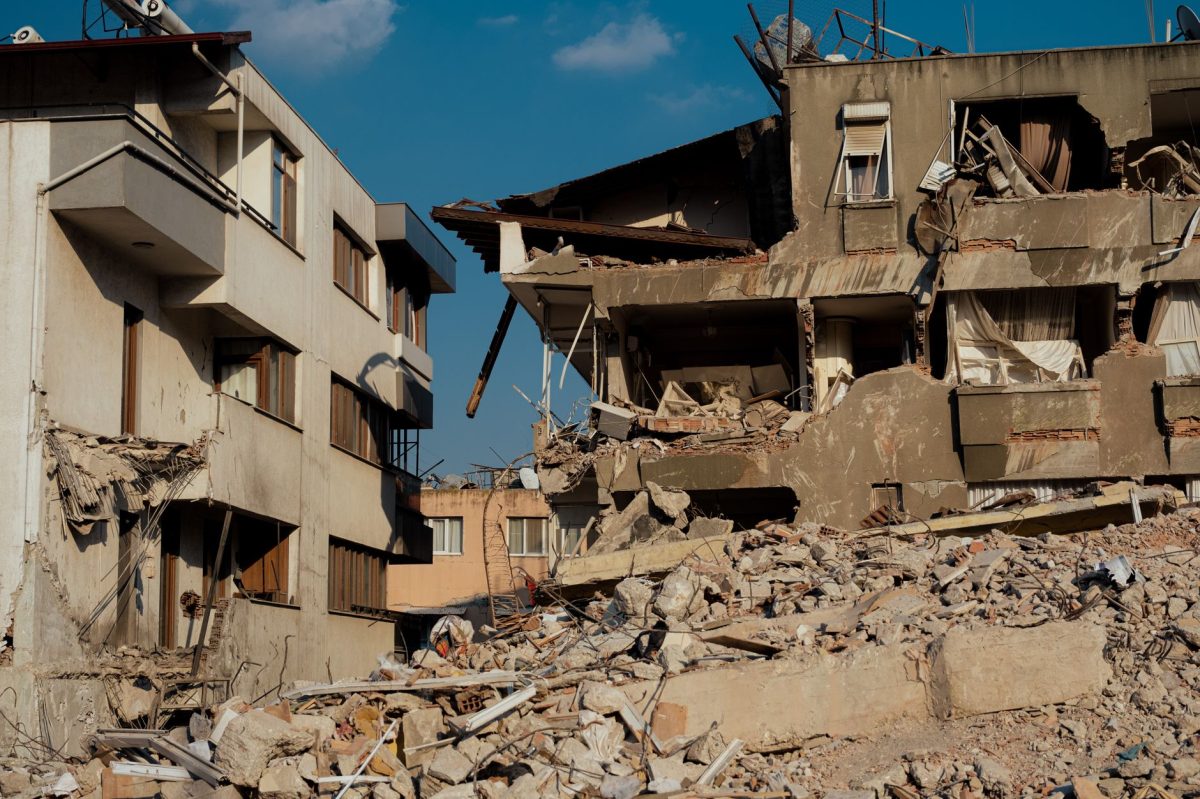
A devastating earthquake that struck north-central Venezuela on Wednesday was caused by two powerful quakes that occurred just 39 seconds apart, resulting in widespread destruction and loss of life. The earthquake was particularly deadly due to its shallow depth and the proximity of the epicenters, which made the impact even more severe. The affected region is home to many communities with inadequate infrastructure, making the disaster even more tragic.
Two Powerful, Shallow Earthquakes Strike Venezuela
According to the Venezuelan government, the first earthquake measured 6.4 magnitude and struck at 12:30 PM local time on Wednesday, with its epicenter located in the north-central region of the country. Just 39 seconds later, a second earthquake with a magnitude of 6.1 struck the same area. The quakes were extremely shallow, with depths of approximately 10 kilometers and 15 kilometers, respectively. This proximity to the surface made the impact even more severe, causing widespread destruction and loss of life. Account to Juan Carlos Perdomo, a geologist at the University of Venezuela, highlights the severity of the situation: “The combination of the two quakes, along with their shallow depths, made the disaster even more catastrophic.”
Why the Earthquake Was So Deadly
The combination of two powerful, shallow earthquakes just 39 seconds apart explains much of the devastation left by the disaster in north-central Venezuela. The shallow depths of the quakes meant that the seismic waves had less distance to travel, resulting in a more intense impact. This, coupled with the proximity of the epicenters, made the disaster even more severe. Furthermore, the affected region is home to many communities with inadequate infrastructure, making the disaster even more tragic. As a result, emergency services were overwhelmed, and many people were left without access to basic necessities like food, water, and shelter. The lack of infrastructure in the affected areas has exacerbated the humanitarian crisis, making it even more challenging for relief efforts to reach those in need.
What We Don't Know Yet
Despite the official death toll standing at 34, many questions remain unanswered. The full extent of the damage is still unclear, and authorities are working to assess the situation. Additionally, the cause of the earthquakes is still unknown, with seismologists pointing to the country's complex geology as a possible factor. The aftermath of the disaster has also raised concerns about the preparedness of emergency services and the resilience of the affected communities. The investigation is ongoing, and it may take several months to determine the exact cause of the earthquakes.
Key Takeaways
- Two powerful earthquakes struck north-central Venezuela, killing dozens and leaving thousands homeless.
- The earthquakes were extremely shallow, with depths of approximately 10 kilometers and 15 kilometers, respectively.
- The affected region is home to many communities with inadequate infrastructure, making the disaster even more tragic.
- The investigation into the cause of the earthquakes is ongoing, and it may take several months to determine the exact cause.
- The Venezuelan government's response to the disaster will be crucial in determining the long-term impact on the affected communities.
What to Watch in the Coming Days
As relief efforts continue, several key factors will determine the outcome of the disaster. The Venezuelan government has pledged to provide aid to the affected communities, but the effectiveness of these efforts will depend on the speed and scale of the response. Additionally, the international community has offered support, with several countries sending aid and personnel to help with the relief efforts. The Venezuelan government's response to the disaster will be crucial in determining the long-term impact on the affected communities.
The earthquake in Venezuela is a rare example of a 'doublet' earthquake, where two significant earthquakes occur in close proximity to each other, highlighting the complex geology of the region.
The devastating earthquake that struck north-central Venezuela on Wednesday is a reminder of the power of nature and the importance of preparedness. As the affected communities begin to rebuild, it is essential to learn from this disaster and work towards creating more resilient communities. The road to recovery will be long and challenging, but with the support of the international community and the resilience of the Venezuelan people, there is hope for a brighter future.