How To Stay Safe During School Fires: The 5 Essential Steps
Protect yourself and your loved ones from devastating consequences of school fires with these actionable tips
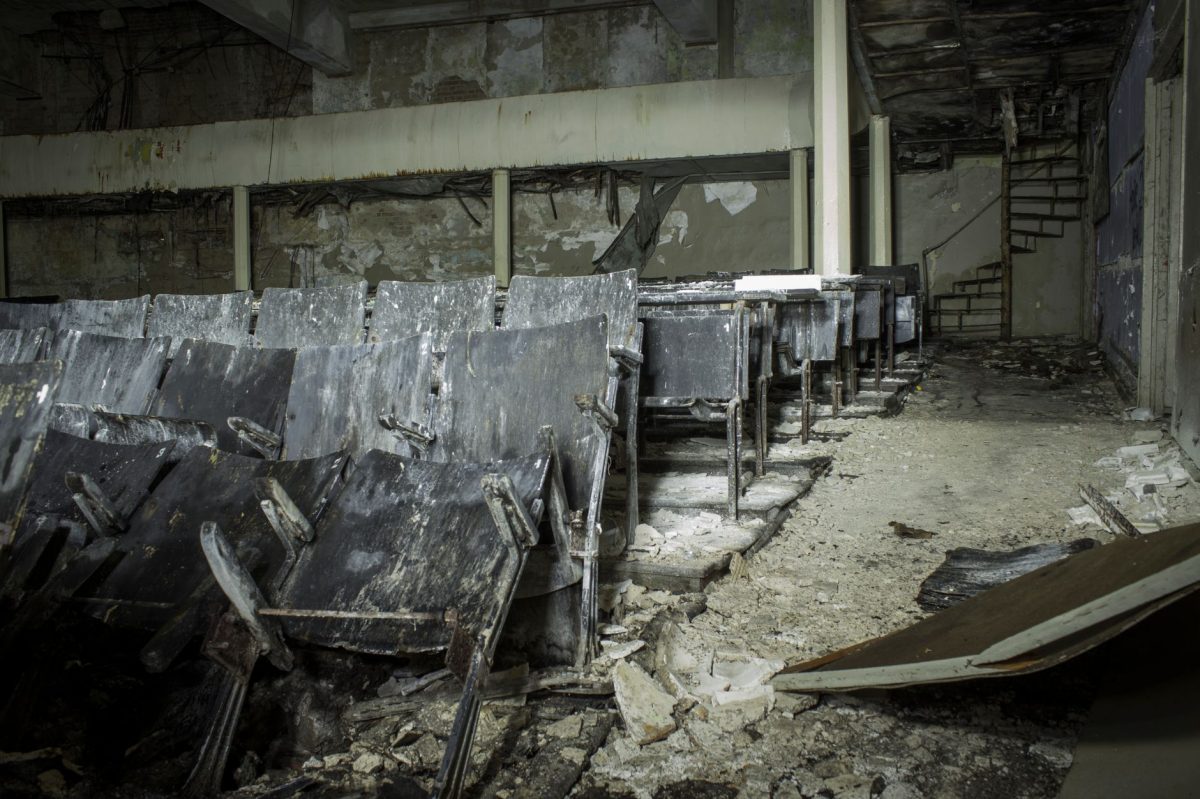
Every year, school fires claim lives and destroy property. As a parent or student, it's essential to know how to stay safe during a school fire. In this guide, we'll walk you through the 5 essential steps to prevent and respond to school fires. By following these steps, you can protect yourself and your loved ones from devastating consequences.
Step 1: **Identify Escape Routes**
Familiarize yourself with the school's emergency evacuation plan and identify at least two escape routes from each room. Use the school's floor plan or a map to locate emergency exits, stairwells, and fire extinguishers. Make sure you know the location of the nearest fire alarm and the emergency phone numbers for your school.
Step 2: **Practice Fire Drills**
Regular fire drills are crucial to ensure that students and staff know how to respond in case of a fire. Practice evacuating the building quickly and safely, and make sure everyone knows the meeting point outside the school. You can use online tools like the National Fire Protection Association's (NFPA) Fire Drill Guide to help plan and conduct effective fire drills.
Step 3: **Install Smoke Alarms**
Smoke alarms are a critical component of fire safety in schools. Install smoke alarms in every classroom, hallway, and dormitory, and make sure they are functioning properly. You can use online resources like the U.S. Fire Administration's Smoke Alarm Guide to learn more about smoke alarm installation and maintenance.
Step 4: **Store Flammable Materials Safely**
Flammable materials like paper, fabric, and chemicals can ignite easily and spread fires quickly. Store these materials in fire-resistant containers or cabinets, and keep them away from heat sources like radiators and heaters. You can use online tools like the National Fire Protection Association's (NFPA) Flammable Materials Guide to learn more about safe storage practices.
Step 5: **Develop a Fire Evacuation Plan**
A comprehensive fire evacuation plan is essential to ensure everyone's safety in case of a fire. Develop a plan that includes emergency contact numbers, evacuation routes, and meeting points. Make sure everyone knows the plan and practices it regularly. You can use online resources like the Federal Emergency Management Agency's (FEMA) Fire Evacuation Plan Guide to help you create a plan.
Don't forget to include students with disabilities in your fire safety plan. They may have unique needs and require additional assistance in case of a fire. Work with students, teachers, and staff to develop an inclusive fire safety plan that meets everyone's needs.
By following these 5 essential steps, you can stay safe during school fires and prevent devastating consequences. Remember to practice fire drills regularly, install smoke alarms, store flammable materials safely, develop a fire evacuation plan, and identify escape routes. Take action today and protect yourself and your loved ones from school fires.