How To Reduce Plastic Waste In Your Community: 5 Ways To Make A Difference
A practical guide to tackling plastic pollution in your neighborhood and beyond
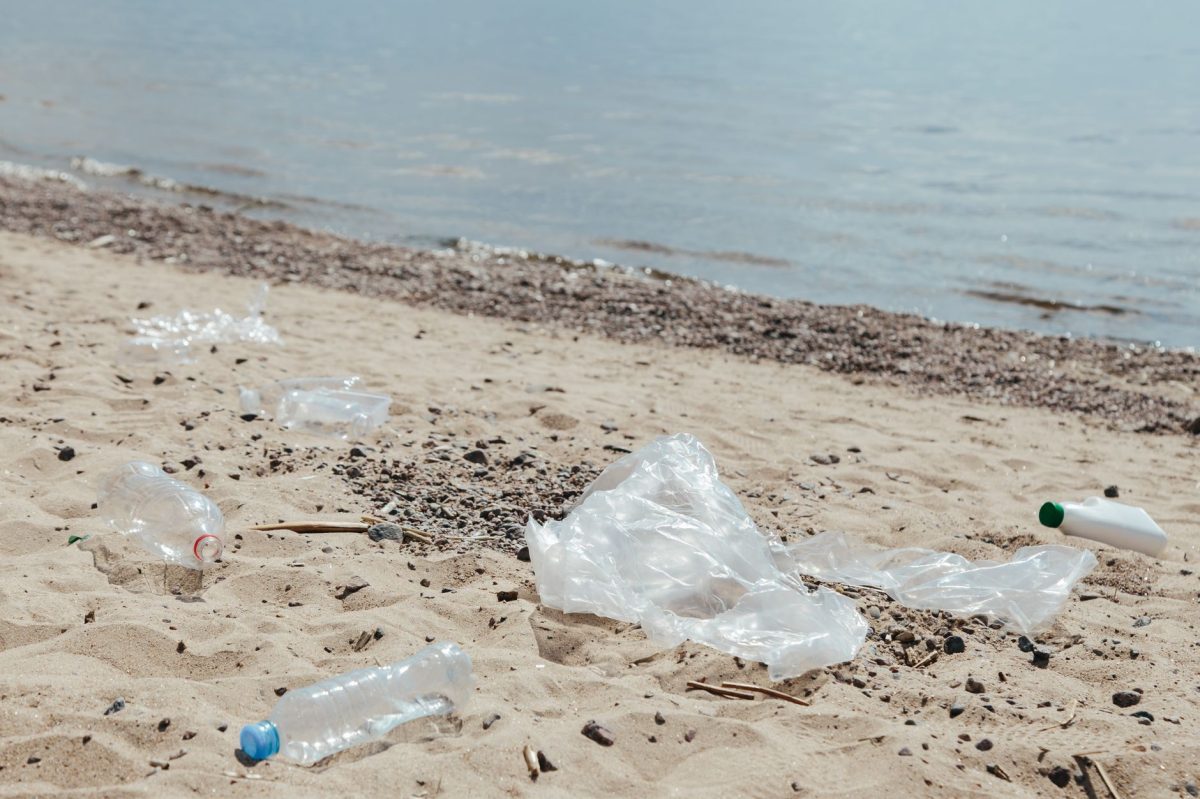
Plastic pollution has become a pressing issue worldwide, with Africa's crisis extending beyond oceans to land-based sources. As individuals, we can make a significant impact by taking small steps in our daily lives and communities. In this guide, we'll explore 5 actionable ways to reduce plastic waste in your community and contribute to a more sustainable future.
Step 1: **Assess Your Community's Plastic Waste Problem**
Start by observing the types and quantities of plastic waste in your community. Take note of the sources, such as litter, waste management systems, and plastic packaging. You can also research local policies and initiatives related to plastic waste reduction. Utilize online resources like the Plastic Pollution Coalition's community assessment toolkit to guide your research.
Step 2: **Conduct a Waste Audit and Identify Opportunities**
Organize a community-wide waste audit to gather data on plastic waste generation, collection, and disposal. This will help you identify potential areas for improvement and opportunities to implement change. You can use the Waste Reduction Alliance's waste audit toolkit or consult with local experts to design a customized approach.
Step 3: **Engage Your Community and Build Support**
Host events, workshops, and meetings to raise awareness about plastic waste pollution and build support for community-led initiatives. Leverage social media platforms, local newspapers, and community newsletters to spread the word. Encourage residents to share their ideas and participate in the solution-finding process.
Step 4: **Implement Low-Cost Solutions and Partnerships**
Collaborate with local businesses, schools, and government agencies to develop and implement low-cost solutions for plastic waste reduction. For example, you can establish a community composting program, create a plastic bottle collection drive, or partner with a local recycling facility to process plastic waste. Utilize online platforms like the Trash Free Alliance's community solutions directory to find inspiration and resources.
Step 5: **Monitor Progress and Evaluate Impact**
Regularly track and assess the effectiveness of your community's plastic waste reduction initiatives. Use data and metrics to evaluate progress, identify areas for improvement, and adjust your strategies accordingly. Consider partnering with local researchers or experts to conduct impact assessments and provide evidence-based recommendations for future improvements.
Consider partnering with local organizations, such as the Kenya Wildlife Service or the World Wildlife Fund, to access expert knowledge, resources, and funding for your community's plastic waste reduction initiatives.
By following these 5 steps, you can make a meaningful contribution to reducing plastic waste in your community and inspiring a more sustainable future. Remember, every small action counts, and collective efforts can lead to significant positive change. Take the first step today and join the movement towards a plastic-free world.