How To Ensure Workplace Safety After Chemical Accidents
Learn the 5 crucial steps to prevent future incidents and protect your team's well-being
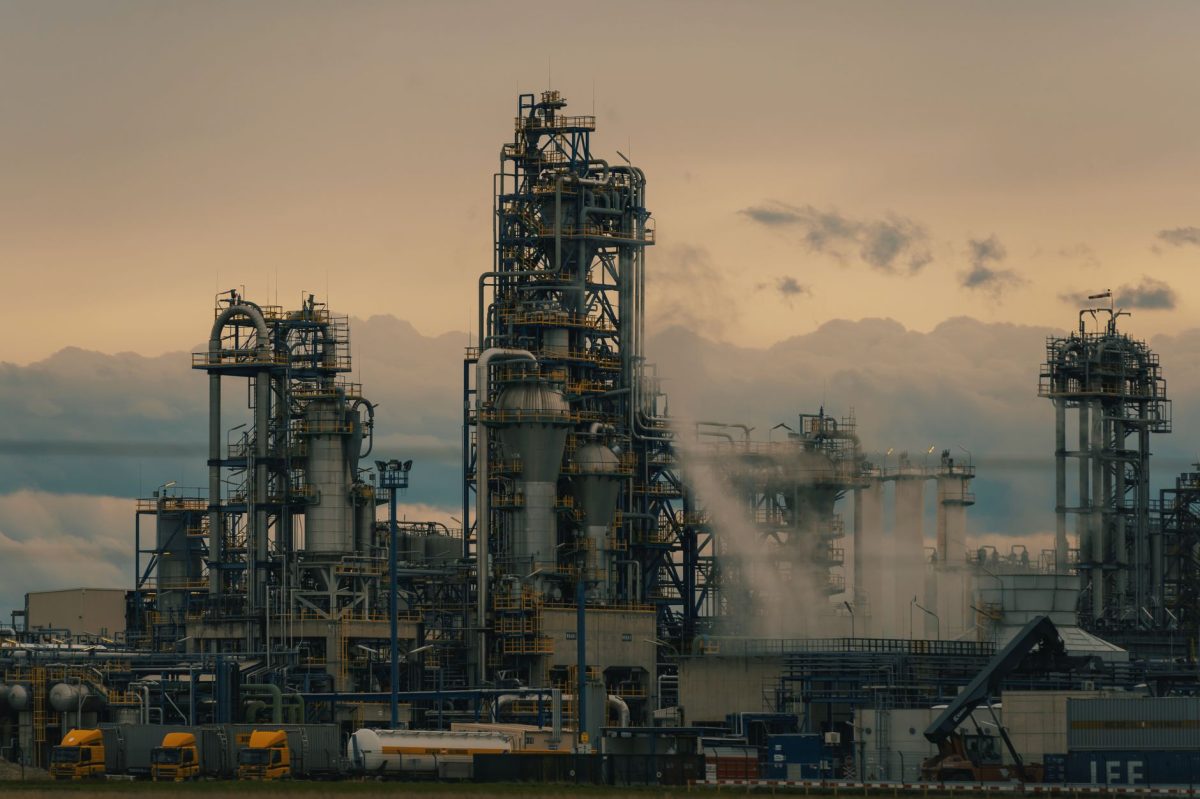
Chemical accidents can have devastating consequences, and it's essential to learn from recent incidents like the ammonia leak at a local chemical plant in Illinois. Ensuring workplace safety is a top priority for businesses, and taking proactive steps can save lives and prevent costly damages. In this guide, you'll learn the 5 crucial steps to prevent future incidents and protect your team's well-being.
Step 1: Identify and Mitigate Potential Hazards
Start by conducting a thorough risk assessment of your workplace to identify potential hazards such as chemical leaks, fires, or explosions. Use tools like the OSHA Hazard Identification template to create a comprehensive list of hazards and prioritize them based on severity and likelihood. Consult with experts and consider seeking outside help if necessary to ensure accurate and thorough identification of hazards.
Step 2: Develop and Implement a Safety Plan
Create a comprehensive safety plan that outlines procedures for emergency response, evacuation, and first aid. Include regular training sessions for employees to ensure they understand their roles and responsibilities in case of an emergency. Utilize resources like the Occupational Safety and Health Administration (OSHA) Safety and Health Program Management Guidelines to develop a robust safety plan that meets regulatory requirements.
Step 3: Provide Personal Protective Equipment (PPE) and Training
Familiarize yourself with the National Institute for Occupational Safety and Health (NIOSH) guidelines for PPE selection and use. Ensure that all employees are trained on the proper use and maintenance of PPE, including respirators, gloves, and protective eyewear. Schedule regular PPE audits to ensure compliance and identify areas for improvement.
Step 4: Conduct Regular Safety Inspections and Audits
Schedule regular safety inspections and audits to identify potential hazards and ensure compliance with regulatory requirements. Use tools like the Safety Auditing Checklist to guide your inspections and identify areas for improvement. Consider hiring outside experts or conducting independent audits to ensure objectivity and accuracy.
Step 5: Communicate and Educate Employees and Stakeholders
Develop a robust communication plan that includes regular safety meetings, training sessions, and emergency response drills. Utilize visual aids like infographics and videos to educate employees and stakeholders on workplace safety best practices and regulatory requirements. Encourage open communication and feedback to ensure everyone is aware of potential hazards and knows what to do in case of an emergency.
Many organizations overlook the importance of **employee involvement** in workplace safety. Encourage employees to report hazards and participate in safety training and inspections to create a culture of safety and responsibility.
By following these 5 crucial steps, you can significantly reduce the risk of workplace accidents and protect your team's well-being. Remember to stay vigilant, adapt to changing circumstances, and continually assess your safety protocols to ensure the best possible outcomes. Don't wait until it's too late – take action today to ensure a safe and healthy work environment.