How To Develop Emergency Survival Skills in 10 Steps
Learn the best way to stay safe during natural disasters and unexpected situations
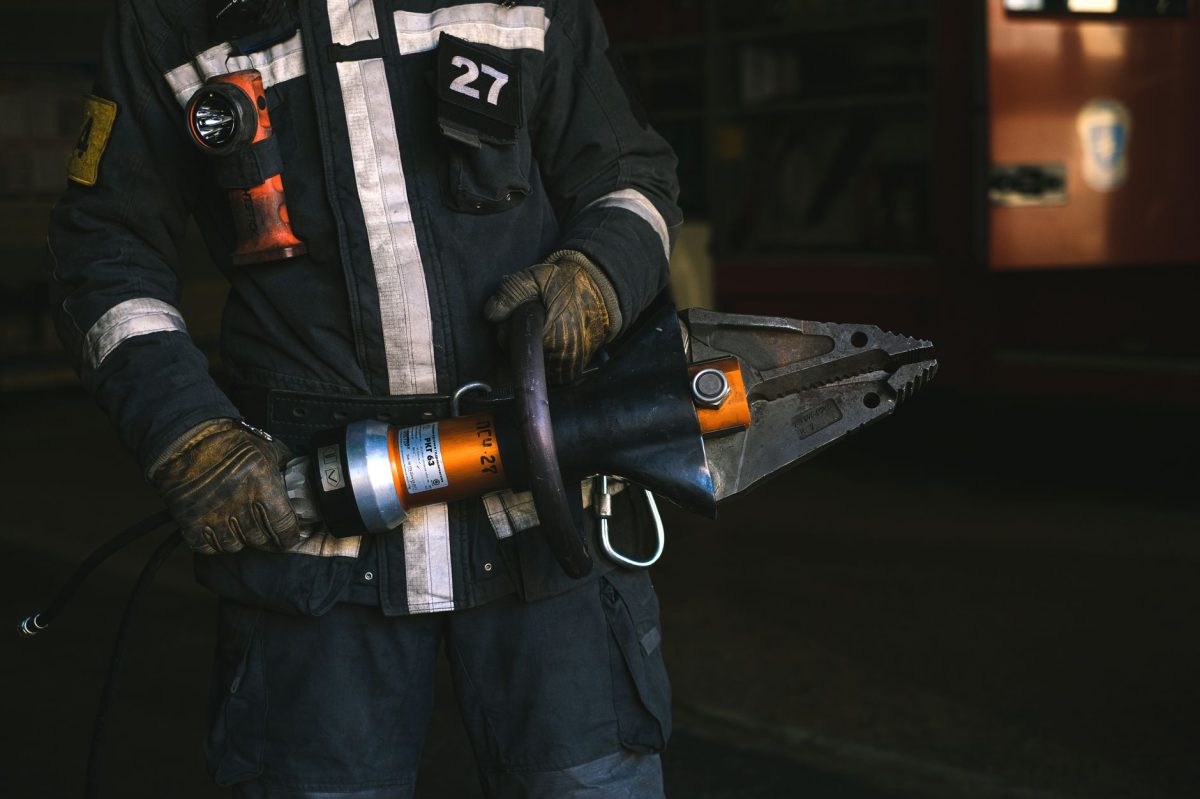
Are you prepared for unexpected disasters and emergencies? Learning emergency survival skills can save lives and reduce stress. In this guide, you'll discover the 10 essential steps to develop the skills you need to stay safe during natural disasters and unexpected situations. Difficulty: Beginner, Time Required: 1 week
Step 1: **Assess Your Risks**
Start by identifying potential risks in your area, such as earthquakes, floods, or wildfires. Research the likelihood and impact of these events on your community. Use online tools like the Federal Emergency Management Agency's (FEMA) Risk Assessment tool to get started.
Step 2: Create a Family Emergency Plan
Develop a plan with your family that includes emergency contact information, a meeting point, and a communication strategy. Make sure all family members know the plan and have a copy. Consider using a emergency plan template from organizations like the American Red Cross.
Step 3: Build an Emergency Kit
Assemble a disaster supply kit with essential items like water, non-perishable food, first aid supplies, and a battery-powered radio. Make sure to check the kit regularly and update it as needed. Use online resources like the Ready.gov website to help you get started.
Step 4: **Learn Basic First Aid**
Take a basic first aid course to learn how to treat common injuries and illnesses. Online resources like the American Red Cross First Aid app can provide you with the knowledge you need. Practice your skills regularly to stay confident and prepared.
Step 5: Stay Informed
Stay up-to-date with the latest emergency information and alerts from local authorities. Use a weather app like Dark Sky or a emergency alert app like Emergency Alert to stay informed. Consider setting up a weather radio or TV to receive emergency broadcasts.
Step 6: **Practice Evacuation Drills**
Practice evacuating your home or building during a simulated emergency. This will help you and your family learn how to quickly and safely exit the area. Use a evacuation drill template from organizations like the National Fire Protection Association to get started.
Step 7: Learn Basic Shelter-Building Skills
Take a course or watch online tutorials on basic shelter-building skills, such as setting up a tent or building a debris hut. Practice building a simple shelter with materials like tarps and poles. Use online resources like the Shelter from the Storm website to learn more.
Step 8: **Learn Basic Water Purification Techniques**
Take a course or watch online tutorials on basic water purification techniques, such as boiling, filtering, or disinfecting. Practice purifying water using a water filter or purification tablets. Use online resources like the Water Purification website to learn more.
Step 9: Learn Basic Food Preservation Techniques
Take a course or watch online tutorials on basic food preservation techniques, such as canning, dehydrating, or smoking. Practice preserving food using a water bath canner or a dehydrator. Use online resources like the Food Preservation website to learn more.
Step 10: **Stay Mentally Prepared**
Develop a mental preparation plan to help you cope with the stress and trauma of an emergency. Practice relaxation techniques like deep breathing, meditation, or yoga. Use online resources like the Mental Health America website to learn more about mental preparation and resilience.
Don't forget to include a copy of your emergency plan and contact information in your emergency kit. This can help rescue teams find and contact you in case of an emergency.
By following these 10 steps, you'll be well on your way to developing the emergency survival skills you need to stay safe during natural disasters and unexpected situations. Remember to stay informed, practice your skills, and review your plan regularly to ensure you're prepared for anything. Take action today and start developing your emergency survival skills!