How To Survive A Natural Disaster Like A Pro
Prepare for the unexpected with these 5 expert tips
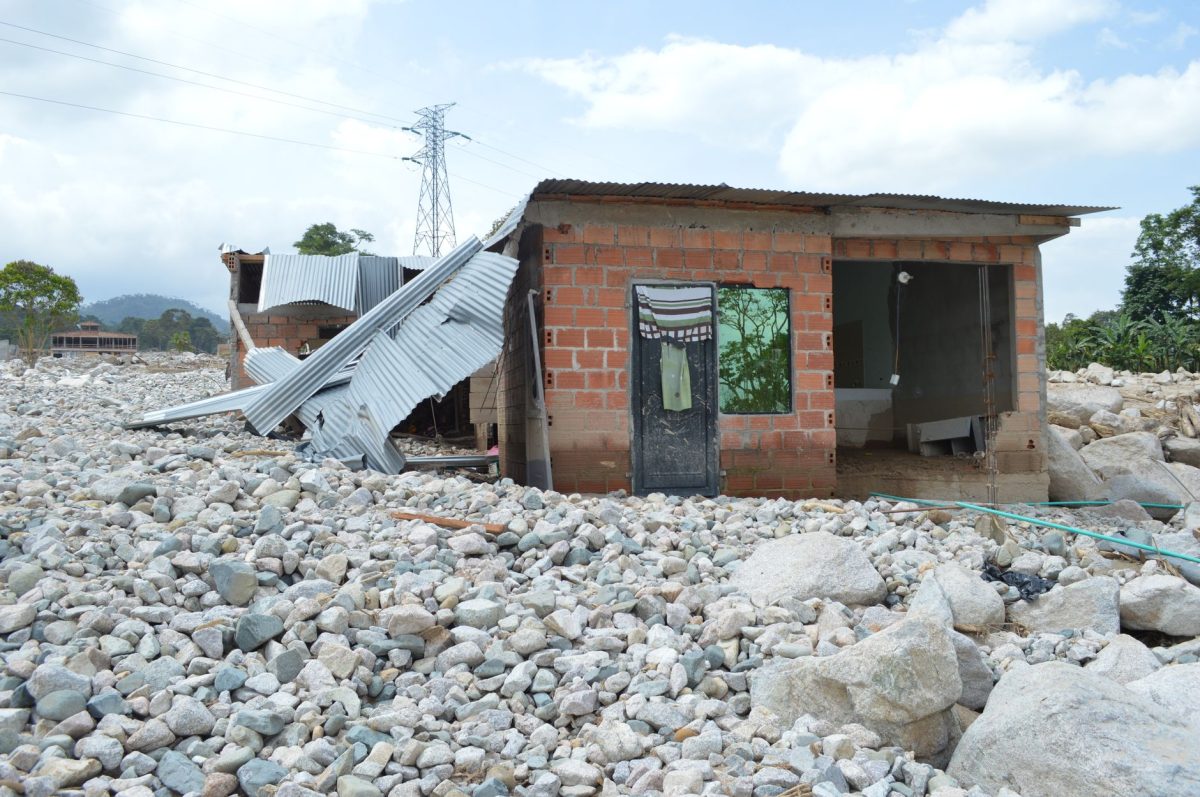
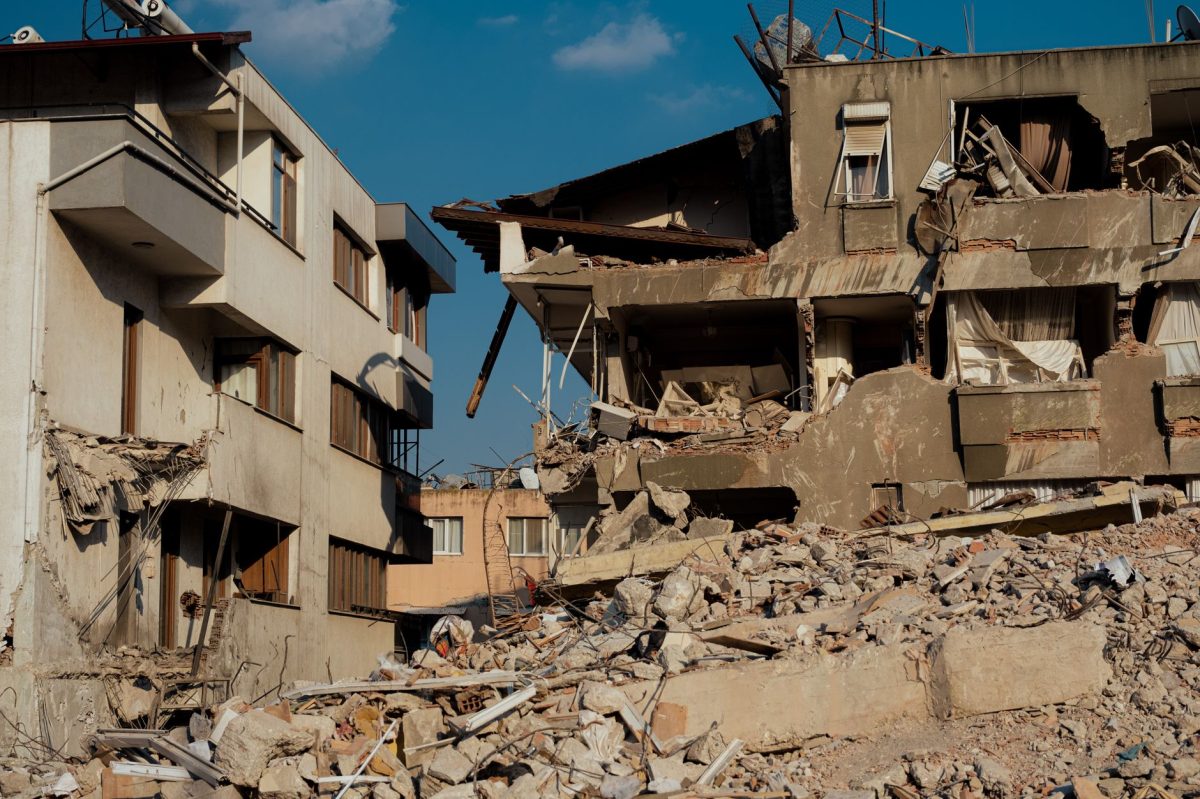
Natural disasters can strike at any moment, causing destruction and chaos. It's essential to be prepared and know how to survive such events. In this guide, we'll cover the 5 essential steps to help you stay safe during natural disasters like earthquakes.
Step 1: **Assess Your Risk**
Start by identifying potential risks in your area. Visit the United States Geological Survey (USGS) website to learn about earthquake-prone zones and other natural disaster risks. Next, talk to your local emergency management officials to understand the specific hazards in your area. This information will help you prepare accordingly.
Step 2: **Create an Emergency Kit**
Assemble a disaster supply kit with essential items such as non-perishable food, water, first aid supplies, and a battery-powered radio. Consider a portable water filter or purification tablets as well. You should also include important documents like insurance policies, identification, and copies of prescriptions.
Step 3: **Develop a Communication Plan**
In the event of a disaster, communication networks can be disrupted. Create a plan with your family to stay in touch, such as designating a meeting spot and assigning a contact person outside the affected area. Also, make sure your phone is fully charged and consider investing in a portable power bank.
Step 4: **Practice Earthquake Drills**
Regularly practice earthquake drills with your household members to ensure everyone knows what to do in case of an earthquake. Drop, Cover, and Hold On is the recommended action. This includes dropping to the ground, taking cover under a sturdy piece of furniture, and holding onto it to prevent being knocked over.
Step 5: **Stay Informed**
Stay up-to-date with local news and emergency alerts through a weather radio or a mobile app like the American Red Cross Emergency app. This will help you stay informed about any natural disasters in your area and receive critical updates from authorities.
Consider taking a disaster preparedness course to learn more about surviving natural disasters and creating a personalized emergency plan.
By following these 5 expert tips, you'll be better equipped to survive a natural disaster like a pro. Remember to stay vigilant, stay informed, and always be prepared. Next, take the time to review and update your emergency plan to ensure you're ready for any situation.