How To Prepare for Natural Disasters in 2026: 7 Essential Tips
Learn how to protect yourself, your family, and your assets from devastating earthquakes, hurricanes, and floods with this beginner's guide
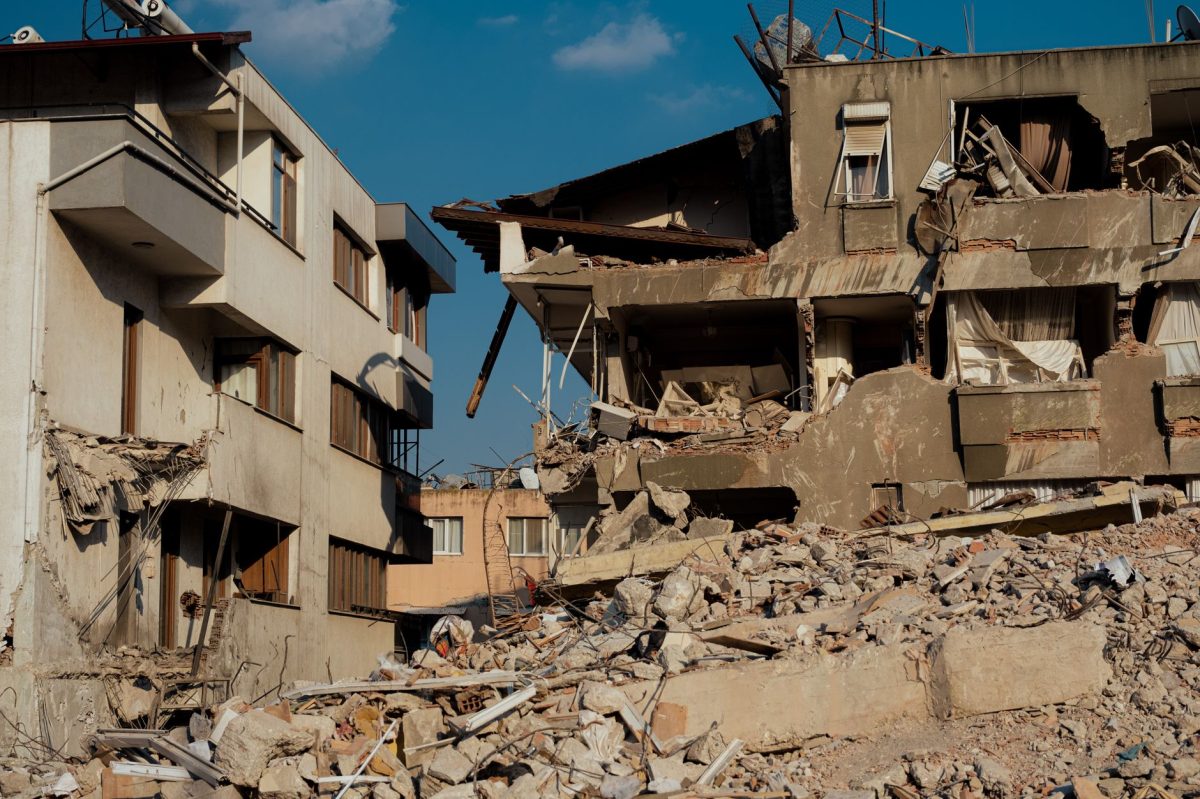
Natural disasters can strike at any moment, leaving destruction and chaos in their wake. As we've seen in recent news, the devastating impact of earthquakes, hurricanes, and floods can be catastrophic. In this guide, you'll learn 7 essential tips to help you prepare for natural disasters and stay safe in 2026.
Step 1: Assess Your Risk and Create a Family Emergency Plan
Start by identifying potential hazards in your area, such as earthquake zones or flood-prone areas. Create a family emergency plan that includes contact information, evacuation routes, and a meeting point. You can use the FEMA App to help you create a plan and receive emergency alerts. Take 20 minutes to discuss and agree on a plan with your family.
Step 2: Stock an Emergency Kit with Essential Supplies
Assemble a disaster supply kit with essential items such as non-perishable food, water, first aid supplies, and a battery-powered radio. Make sure to check the expiration dates of food and water supplies and replenish them as needed. You can use the American Red Cross website to find a list of recommended emergency supplies. Spend 1 hour gathering and organizing your supplies.
Step 3: Secure Your Home with Earthquake-Proofing Measures
Take steps to secure your home with earthquake-proofing measures such as anchoring heavy furniture, installing flexible pipes, and securing heavy objects. You can also consider retrofitting your home with earthquake-resistance features. Research and budget for these measures, and consider seeking professional help if needed. Allow 2-3 days to complete this task.
Step 4: Build a Financial Safety Net with Emergency Funds
Build an emergency fund to cover 3-6 months of living expenses in case you're unable to work due to a natural disaster. Consider opening a high-yield savings account or a money market fund. Research and set up an emergency fund, and aim to contribute to it regularly. Expect to spend 2-3 hours setting up and transferring funds.
Step 5: Stay Informed with Emergency Alerts and Weather Updates
Stay informed with emergency alerts and weather updates from trusted sources such as the National Weather Service or your local government. Consider investing in a weather radio or a smartphone app such as Dark Sky to receive timely alerts. Take 10 minutes to set up alerts and familiarize yourself with the app.
Step 6: Practice and Review Your Emergency Plan with Regular Drills
Practice and review your emergency plan with regular drills to ensure everyone knows what to do in case of a natural disaster. Conduct a drill once a quarter, and review and update your plan annually. Spend 30 minutes to 1 hour preparing and conducting a drill.
Step 7: Review and Update Your Emergency Plan Annually
Review and update your emergency plan annually to ensure it remains relevant and effective. Consider seeking input from experts or conducting a review with your emergency management team. Allow 2-3 hours to review and update your plan, and make any necessary adjustments. This will help you stay prepared and adapt to changing circumstances.
Don't overlook the importance of mental preparedness. Develop a coping plan to deal with stress and anxiety during and after a natural disaster, and prioritize self-care and support for yourself and your family.
By following these 7 essential tips, you'll be better equipped to prepare for natural disasters and stay safe in 2026. Remember to regularly review and update your emergency plan to ensure it remains relevant and effective. Take action today and start building your emergency preparedness plan!