How To Prepare For Natural Disasters in 2026: The 5 Ways
Stay Safe and Informed with Our Essential Guide to Earthquakes and Tsunamis
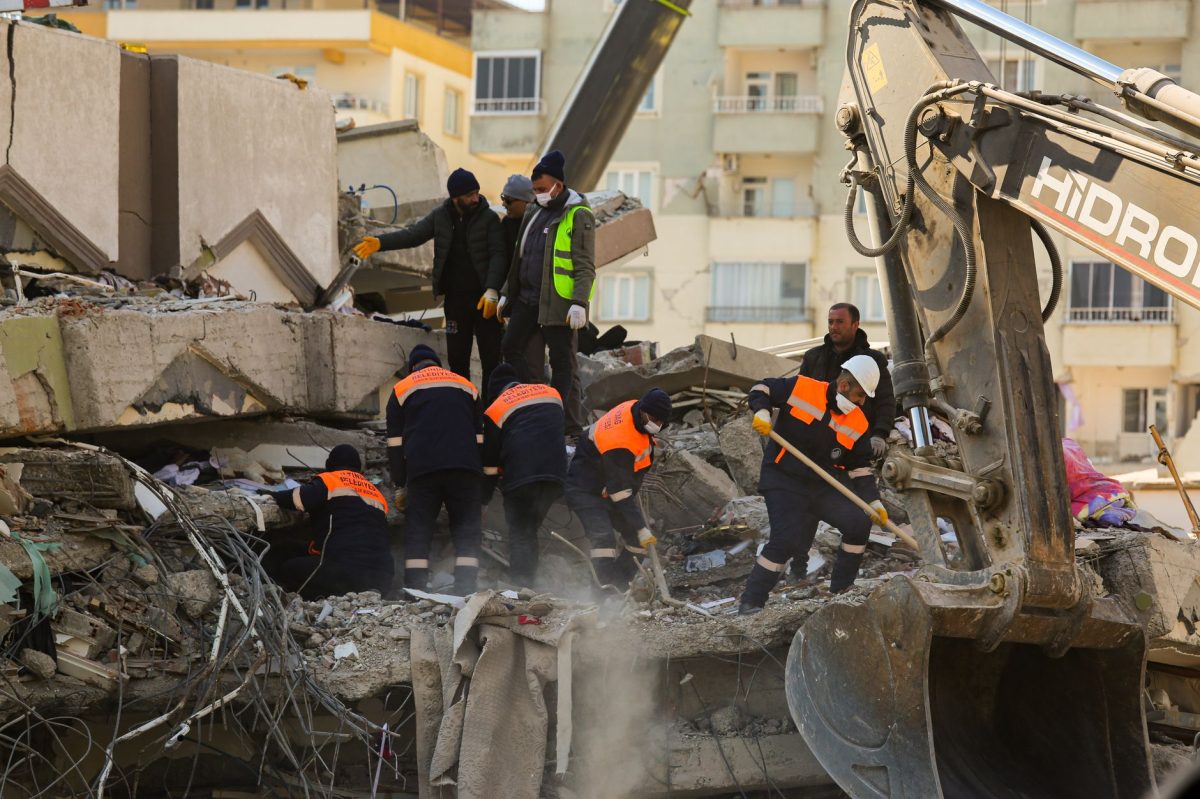
Are you aware that natural disasters can strike without warning, causing devastating consequences? In recent years, the world has seen alarming increases in earthquake and tsunami incidents. In this guide, you'll learn the essential ways to prepare for natural disasters, ensuring your safety and the safety of your loved ones.
Step 1: **Create An Emergency Kit**
Assemble a disaster supply kit with essential items such as non-perishable food, water (at least 1 gallon per person per day), first aid supplies, and a battery-powered radio. Check your kit regularly to ensure all items are still usable. Consider purchasing a portable water filter or purification tablets for added safety. You can also use apps like Emergency Kit Checklist (iOS and Android) to help guide your preparation.
Step 2: **Stay Informed with Early Warning Systems**
Sign up for emergency alerts from your local government or weather service, such as the National Weather Service's Tsunami Warning System. Utilize apps like Weather Underground (iOS and Android) or the American Red Cross Emergency App (iOS and Android) to receive timely updates on natural disasters. Consider investing in a NOAA Weather Radio, a dedicated device that broadcasts critical weather information 24/7.
Step 3: **Identify Safe Zones and Evacuation Routes**
Familiarize yourself with your community's emergency plans, including designated safe zones and evacuation routes. Identify the safest routes to take in case of an emergency, considering factors like traffic patterns and potential hazards. You can use online tools like the Federal Emergency Management Agency's (FEMA) Flood Map Service to visualize flood zones and evacuation routes.
Step 4: **Practice Earthquake and Tsunami Drills**
Regularly practice earthquake and tsunami drills with your family to ensure everyone knows what to do in case of an emergency. Conduct regular fire drills and practice evacuation procedures. Consider scheduling annual disaster preparedness workshops or seminars to stay informed and up-to-date on the latest safety techniques.
Step 5: **Develop a Family Emergency Plan**
Create a comprehensive family emergency plan that includes contact information, meeting points, and evacuation procedures. Designate a meeting point outside your home where everyone can gather in case of separation. Make sure all family members understand the plan and can execute it. You can use online tools like the American Red Cross's Family Emergency Plan (available on their website) to help guide your planning process.
Don't underestimate the importance of mental preparation. Developing a positive mindset and learning coping strategies can greatly enhance your ability to respond effectively during a natural disaster.
By following these 5 ways to prepare for natural disasters, you'll be better equipped to face the unexpected and keep yourself and your loved ones safe. Remember to regularly review and update your emergency plan to ensure it remains effective. Stay informed and proactive in the face of natural disasters.