How to Prepare for Earthquakes in 2026: The 7 Tips
Stay Safe and Informed with Our Expert Guide to Earthquake Preparation
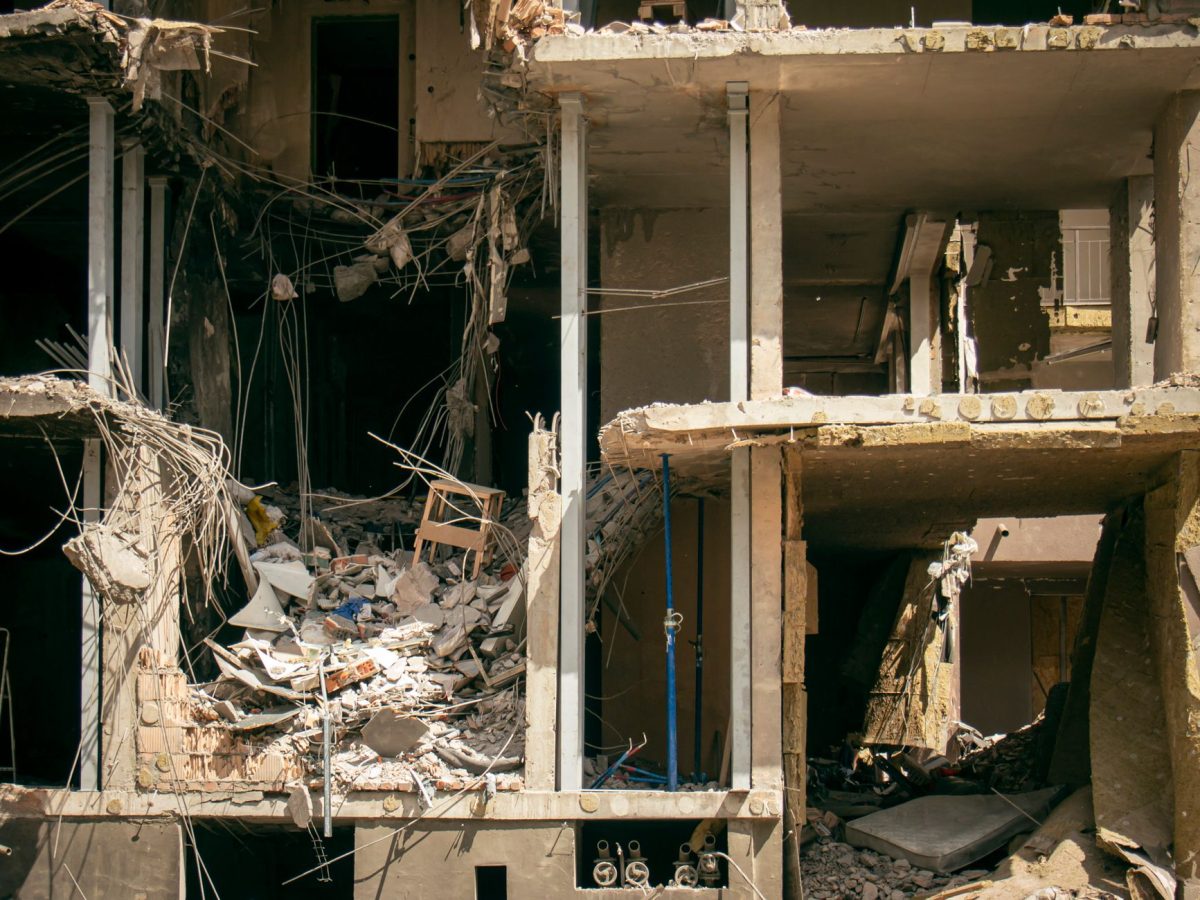
As natural disasters become more frequent and intense, it's essential to be prepared for earthquakes. With the recent 7.3-magnitude quake in Venezuela, it's clear that earthquake preparedness is a critical concern. In this guide, we'll walk you through the 7 essential steps to prepare for earthquakes in 2026.
Step 1: Create an Emergency Kit
Stock a disaster supply kit with essentials like non-perishable food, water, first aid supplies, and a battery-powered radio. Consider the number of people in your household and the length of time you may be without power or access to services. You can use a kit checklist like the one provided by the American Red Cross to ensure you don't forget anything crucial. Estimated time: 30 minutes, Cost: $100-$500
Step 2: Secure Your Home
Strengthen your home's foundation by securing heavy objects, such as bookshelves and televisions, to walls using brackets or straps. Also, ensure that your home's foundation is secure and can withstand earthquake forces. You can use online resources like the United States Geological Survey (USGS) to determine the earthquake hazard in your area. Estimated time: 2 hours, Cost: $500-$2,000
Step 3: Develop a Family Emergency Plan
Create a family emergency plan that includes a communication strategy, evacuation routes, and a safe meeting point. Make sure all household members know their roles and responsibilities during an emergency. You can use online tools like the Federal Emergency Management Agency (FEMA) to create a customized plan. Estimated time: 1 hour, Cost: $0
Step 4: Practice Earthquake Drills
Practice earthquake drills with your household members to ensure everyone knows what to do during an earthquake. This includes dropping to the ground, taking cover under a sturdy table or desk, and holding onto it. You can also use online resources like the USGS to learn more about earthquake safety. Estimated time: 1 hour, Cost: $0
Step 5: Stay Informed
Stay informed about earthquake risks and updates from local authorities by signing up for emergency alerts and following reliable news sources. You can use apps like Emergency Alert or Weather Underground to receive timely alerts. Estimated time: 30 minutes, Cost: $0
Step 6: Consider Earthquake Insurance
Consider purchasing earthquake insurance to protect your home and assets from earthquake-related damage. Research insurance options and costs in your area, and consult with a licensed insurance professional. Estimated time: 1 hour, Cost: $500-$2,000
Step 7: Review and Update Your Plan
Regularly review and update your emergency plan to ensure it remains relevant and effective. This includes checking the expiration dates of your emergency kit supplies and reviewing your family's communication strategy. Estimated time: 30 minutes, Cost: $0
One expert insight most people overlook is the importance of ** earthquake-resistant construction**. If you're building or renovating a home, consider incorporating earthquake-resistant design elements, such as reinforced foundations and seismic-resistant materials. This can significantly reduce the risk of damage and injury during an earthquake.
By following these 7 essential steps, you'll be better prepared to face the challenges of an earthquake. Remember to review and update your plan regularly to ensure you stay safe and informed. Next step: Review your emergency kit and ensure it's fully stocked and up-to-date.