How To Prepare For A Global Oil Shortage In 2026
Expert Guide to Navigating the Impacts of Hormuz Disruption on Your Business and Finances
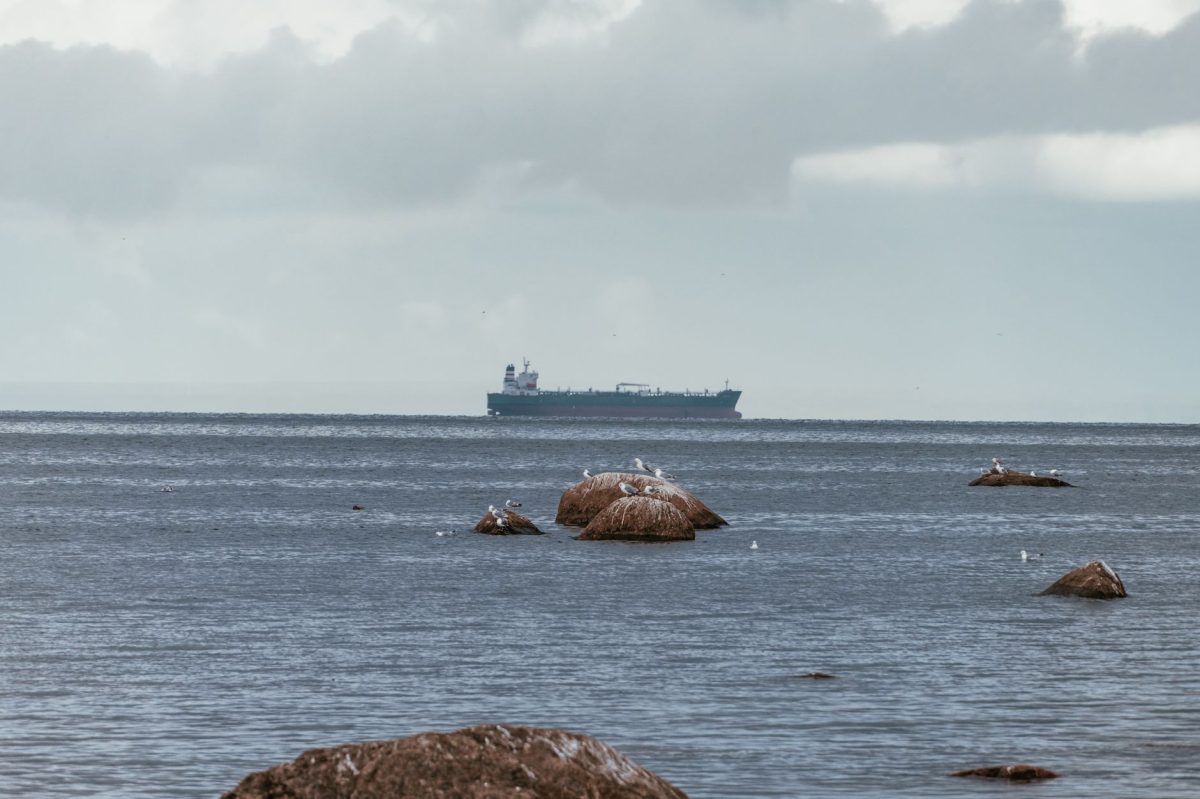
The Hormuz Strait disruption is causing a significant oil shortage, affecting global markets and economies. As a business owner or individual, it's crucial to prepare for this crisis and minimize its impact. In this guide, you'll learn 6 essential steps to navigate the oil shortage and protect your finances.
Step 1: **Diversify** Your Energy Sources
To mitigate the risks of a global oil shortage, consider diversifying your energy sources. Invest in renewable energy options such as solar panels or wind turbines for your business or home. You can also explore alternative energy sources like hydrogen fuel cells or electric vehicles. For example, you can use online platforms like GreenMatch to find the best solar panel installation services in your area.
Step 2: **Monitor** Oil Prices and Market Trends
Stay up-to-date with the latest oil price movements and market trends. Use online tools like OilPrice or Bloomberg to track the global oil market. This will help you make informed decisions about your energy investments and business strategies. Set up price alerts on your phone or computer to receive real-time notifications about oil price fluctuations.
Step 3: **Build** an Emergency Fund
A significant oil shortage can have a devastating impact on your finances. Build an emergency fund to cover unexpected expenses and financial losses. Aim to save 3-6 months' worth of living expenses in a separate, easily accessible savings account. Consider using budgeting apps like Mint or Personal Capital to track your expenses and stay on top of your finances.
Step 4: **Optimize** Your Supply Chain
An oil shortage can disrupt global supply chains, affecting business operations and logistics. Optimize your supply chain by identifying and mitigating potential risks. Use online tools like Supply Chain Insights or JDA to analyze your supply chain and identify areas for improvement. Consider working with suppliers who have alternative energy sources or contingency plans in place.
Step 5: **Communicate** with Your Team and Stakeholders
Effective communication is crucial during a global oil shortage. Keep your team and stakeholders informed about the crisis and its impact on your business. Use internal communication channels like email or video conferencing to share updates and discuss contingency plans. Consider hosting regular town hall meetings or webinars to address concerns and provide reassurance.
Step 6: **Stay** Informed and Adaptable
The oil shortage is a dynamic and evolving crisis. Stay informed about the latest developments and market trends. Use online resources like Reuters or CNBC to stay up-to-date with the latest news and analysis. Be prepared to adapt your business strategies and contingency plans as the situation unfolds. Consider forming partnerships or collaborating with other businesses to share resources and expertise.
Don't underestimate the psychological impact of a global oil shortage on your team and stakeholders. Provide support and resources to help them cope with the crisis and maintain productivity.
By following these 6 essential steps, you'll be better equipped to navigate the impacts of the global oil shortage and protect your business and finances. Remember to stay informed, adaptable, and proactive in the face of this crisis. Start preparing today and stay ahead of the curve.