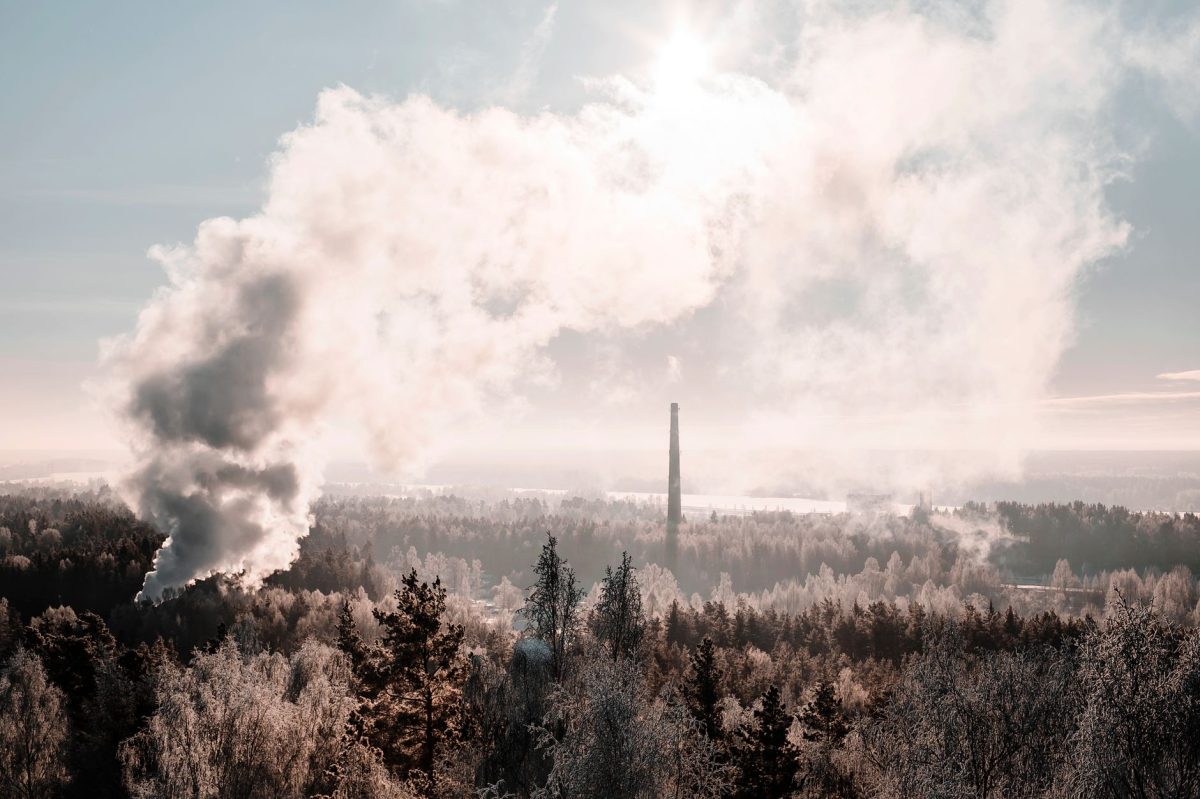
How To Prepare For Industrial Accidents In Your Community
Take proactive steps to stay safe and informed in the face of potential industrial disasters

Industrial accidents can have devastating consequences on local communities, displacing residents and causing widespread disruption. With the increasing likelihood of such incidents, it's essential to know how to prepare and respond effectively. This guide will walk you through six actionable steps to help you stay safe and informed in the face of potential industrial disasters. Difficulty: Beginner, Time Required: 30 minutes
Step 1: Identify Potential Industrial Hazards In Your Area
Research local industrial facilities and their potential hazards. Use online resources like the Environmental Protection Agency's (EPA) Facility Registry Service (FRS) to identify nearby facilities and their associated risks. You can also contact local authorities or non-profit organizations that work on industrial safety and environmental issues for more information. This information will help you understand the potential risks and take proactive measures to stay safe. Beginner
Step 2: Create An Emergency Plan With Your Family
Develop a comprehensive emergency plan with your family, including evacuation routes, meeting points, and emergency contact numbers. Designate a safe meeting point outside the home and ensure all family members know the plan. You can use online resources like the American Red Cross's Emergency App to create a customized plan. This plan will help you respond quickly and effectively in case of an emergency. Beginner
Step 3: Stay Informed About Local Industrial Activities
Stay up-to-date on local industrial activities by following news and updates from government agencies, industry organizations, and community groups. Use social media and online forums to stay informed and engage with local stakeholders. You can also subscribe to emergency alert systems like the National Weather Service's Emergency Alert System (EAS) to receive timely updates. This will help you anticipate and respond to potential industrial accidents. Beginner
Step 4: Build An Emergency Kit With Essential Items
Assemble an emergency kit with essential items like food, water, first aid supplies, and a battery-powered radio. Make sure to check the kit regularly to ensure all items are still usable. You can use online resources like the Federal Emergency Management Agency's (FEMA) Emergency Kit Checklist to create a customized kit. This kit will help you and your family survive for at least 72 hours in case of an emergency. Beginner
Step 5: Know Your Evacuation Routes And Shelters
Familiarize yourself with local evacuation routes and shelters. Use online resources like the American Red Cross's Shelter Finder to locate nearby shelters and understand their capacity. You can also contact local authorities to confirm evacuation routes and shelter locations. This will help you quickly and safely evacuate in case of an emergency. Beginner
Step 6: Practice And Review Your Emergency Plan Regularly
Practice and review your emergency plan with your family regularly to ensure everyone knows what to do in case of an emergency. Use online resources like the Federal Emergency Management Agency's (FEMA) Emergency Preparedness Guide to review and update your plan. This will help you stay prepared and respond effectively in case of an industrial accident. Beginner
Many people overlook the importance of having a **communication plan** in place. Make sure to designate a contact person outside the affected area who can coordinate with family members and provide updates in case of an emergency. This will help ensure timely communication and prevent misunderstandings. Beginner
By following these six steps, you'll be better equipped to prepare for industrial accidents in your community and stay safe in the face of potential disasters. Remember to review and update your emergency plan regularly to ensure you're always prepared. Take the next step by sharing this guide with your family and community to spread awareness and promote preparedness. Beginner