How To Prevent School Fires in Kenya: A 7 Step Guide
Stay Safe in Schools and Save Lives: Expert Tips and Strategies
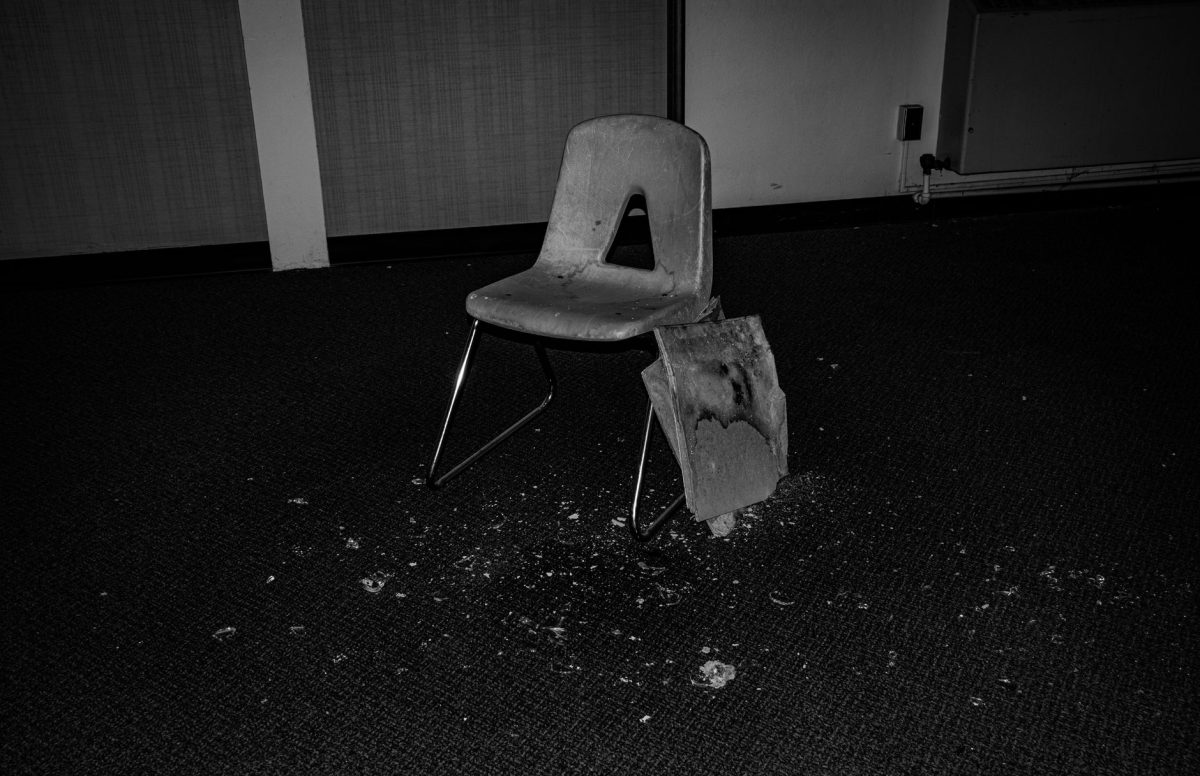
Every year, devastating school fires in Kenya claim numerous lives and leave families shattered. In this guide, we will walk you through the best ways to prevent school fires and protect your loved ones. With these 7 steps, you'll learn how to create a safe learning environment and reduce the risk of fire outbreaks.
Step 1: Identify Fire Hazards in Schools **Electrical Faults**
Begin by conducting a thorough inspection of your school to identify potential fire hazards, especially electrical faults. Check for frayed cords, overloaded outlets, and faulty wiring. Use a circuit tester to detect any electrical malfunctions. Create a list of areas that require maintenance or replacement.
Step 2: Implement Fire Safety Education **Fire Evacuation Drills**
Develop a comprehensive fire safety education program that teaches students and staff about fire prevention, evacuation procedures, and emergency response plans. Conduct regular fire evacuation drills to ensure everyone is prepared in case of an emergency. Use visual aids and interactive activities to engage students and make the learning experience fun and engaging.
Step 3: Install Fire Detection and Suppression Systems **Smoke Alarms**
Install smoke alarms and heat detectors in strategic locations throughout the school, including classrooms, corridors, and stairwells. Choose smoke alarms that are compatible with your school's ventilation system and electrical wiring. Also, consider installing fire suppression systems, such as sprinkler systems or fire extinguishers, in areas with high fire risks.
Step 4: Store Flammable Materials Safely **Flammable Liquid Storage**
Store flammable materials, such as fuels, paints, and cleaning supplies, in well-ventilated areas away from heat sources and ignition sparks. Use approved containers with tight-fitting lids and label them clearly. Ensure that flammable liquids are kept in a designated storage area, such as a fire-resistant cabinet or a designated flammable liquid storage room.
Step 5: Regularly Inspect and Maintain Fire Safety Equipment **Fire Extinguishers**
Regularly inspect fire safety equipment, including smoke alarms, fire extinguishers, and sprinkler systems, to ensure they are functioning properly. Follow the manufacturer's guidelines for maintenance, inspection, and testing. Also, ensure that fire extinguishers are easily accessible, well-labeled, and regularly inspected.
Step 6: Develop an Emergency Response Plan **Fire Evacuation Routes**
Create a comprehensive emergency response plan that outlines procedures for responding to fires, including evacuation routes, assembly points, and communication protocols. Ensure that all staff and students are aware of the plan and have a clear understanding of their roles and responsibilities. Conduct regular drills to test the plan and make necessary adjustments.
Step 7: Collaborate with Local Authorities and Emergency Services **Fire Department**
Establish a strong relationship with local fire departments and emergency services to ensure they are aware of your school's fire safety plans and procedures. Collaborate with them to identify potential fire hazards and develop strategies for prevention and response. Also, consider inviting them to conduct regular fire safety inspections and provide guidance on best practices.
Don't overlook the importance of regular fire drills and emergency response training. This will help ensure that everyone in the school is prepared and knows what to do in case of a fire emergency.
By following these 7 steps, you'll be well on your way to creating a safe learning environment and reducing the risk of fire outbreaks in your school. Remember to stay vigilant, regularly inspect and maintain fire safety equipment, and collaborate with local authorities and emergency services. Together, we can save lives and prevent devastating school fires.