How To Prepare For A Global Food Crisis
5 Essential Steps to Secure Your Food Supply and Stay Informed
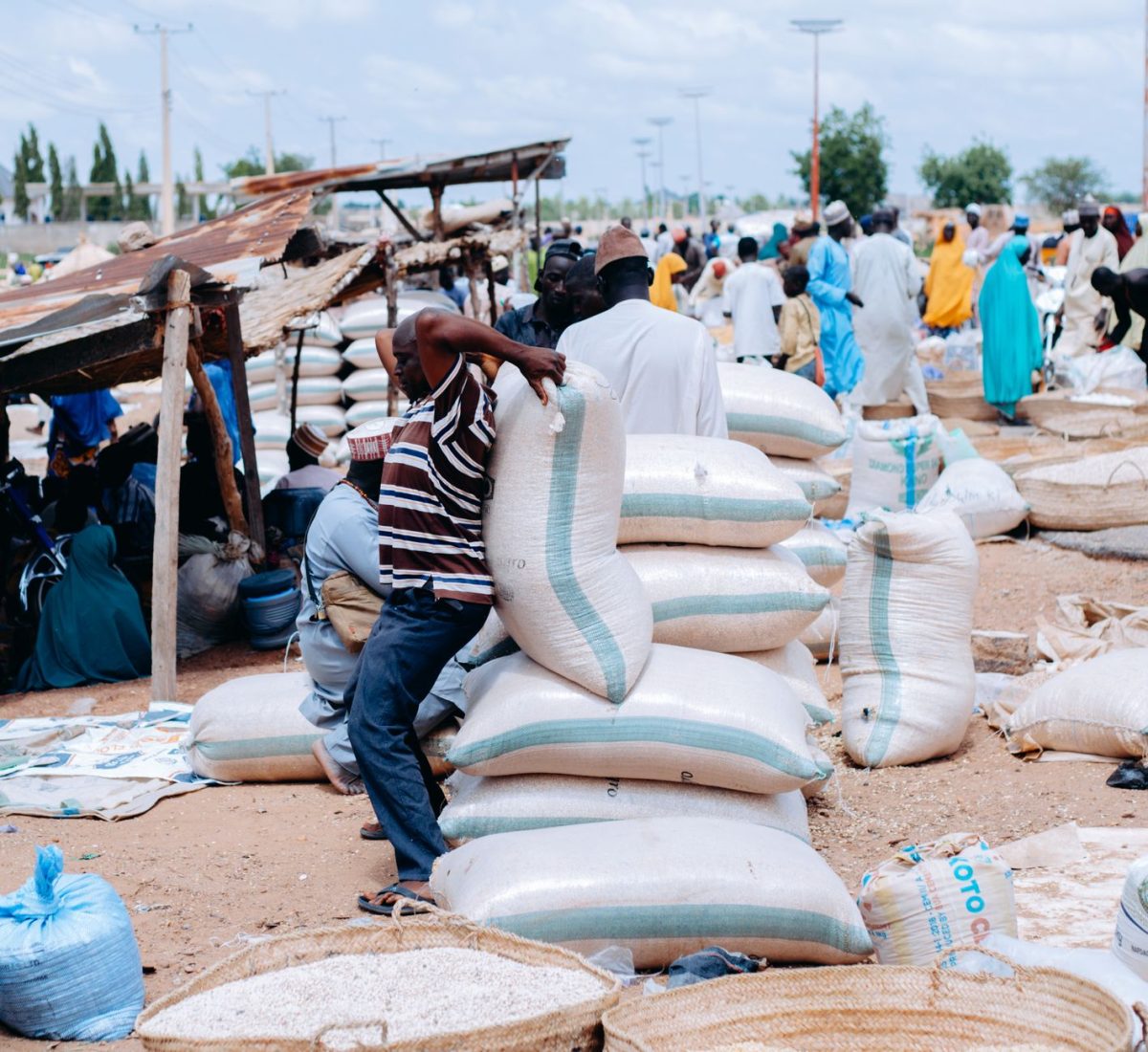
As the Horn of Africa faces severe hunger due to the ongoing Middle East crisis, it's essential to understand the ripple effects on the global food supply chain. With food prices rising and aid networks strained, individuals must take proactive steps to prepare for a potential food crisis. In this guide, we'll walk you through 5 actionable steps to secure your food supply and stay informed about the situation.
Step 1: **Diversify** Your Food Sources
Start by exploring alternative food sources, such as local farmers' markets, community-supported agriculture (CSA) programs, or online platforms like Farmigo. Consider investing in a home garden or a small-scale food production system, like a vertical garden or a hydroponic system. This will help reduce your reliance on the global food supply chain and ensure a steady food supply in case of emergencies.
Step 2: **Assess** Your Food Storage and Preservation
Take stock of your current food storage and preservation capabilities. Consider investing in a root cellar or a cool, dark storage space for long-term food storage. Learn about proper food preservation techniques, such as canning, freezing, or dehydrating, to extend the shelf life of your food supplies.
Step 3: **Build** an Emergency Food Stockpile
Create a 3-6 month emergency food stockpile by purchasing non-perishable food items, such as canned goods, dried legumes, and whole grains. Consider investing in a food dehydrator or a canning kit to preserve your own food supplies. Aim to store at least 1 gallon of drinking water per person per day for emergency situations.
Step 4: **Stay Informed** About Global Food Trends
Stay up-to-date on global food trends and news by following reputable sources, such as the United Nations Food and Agriculture Organization (FAO) or the World Food Programme (WFP). Use online tools, like Google Trends or social media, to track food-related news and alerts. This will help you anticipate potential disruptions to the global food supply chain and make informed decisions about your food supply.
Step 5: **Develop** a Food Self-Sufficiency Plan
Create a comprehensive food self-sufficiency plan by setting realistic goals, such as growing 50% of your own food or reducing your reliance on the global food supply chain by 75%. Break down your plan into smaller, actionable steps, and track your progress over time. This will help you achieve food self-sufficiency and stay prepared for potential food crises.
Consider investing in a food security app, like FoodFinder or FarmLogs, to track your food supplies, monitor weather patterns, and receive alerts about potential food-related emergencies.
By following these 5 essential steps, you'll be well-prepared to navigate a potential global food crisis. Remember to stay informed, diversify your food sources, and develop a comprehensive food self-sufficiency plan to ensure a steady food supply for yourself and your loved ones.