How To Stay Safe During Voting Disruptions 2026
Protect Your Rights and Voice in Elections with These Simple Steps
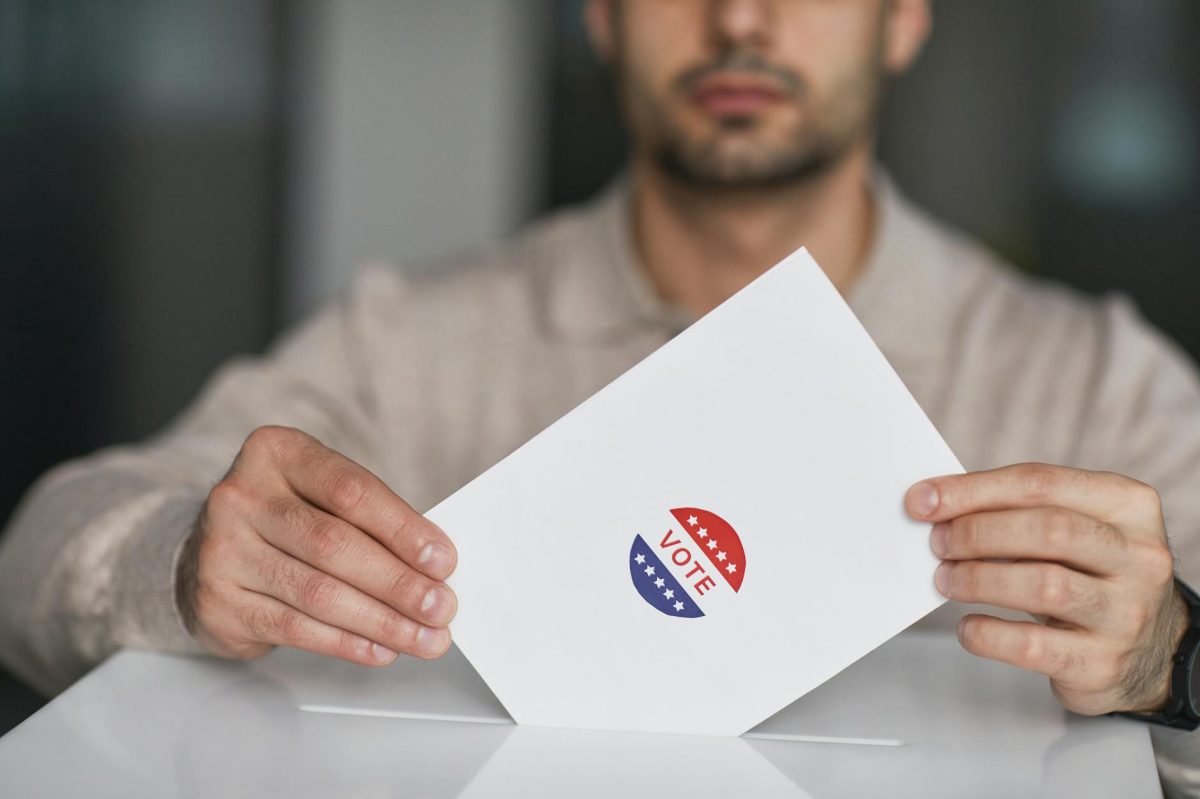
With voting disruptions on the rise, it's crucial to know how to protect yourself and your voice in the electoral process. In this guide, we'll walk you through 7 simple steps to ensure a smooth voting experience. Whether you're a first-time voter or a seasoned citizen, these tips will help you stay safe and empowered on election day.
Step 1: **Research** Your Voting Location
Before heading to the polls, research your voting location to ensure it's safe and accessible. Check with your local election office or website to confirm the polling station's address, hours of operation, and any specific requirements for identification or documentation. You can also use online tools like Vote.org or BallotReady to find your polling station and get directions.
Step 2: **Verify** Voting Requirements
Double-check the voting requirements in your state or locality to avoid any last-minute surprises. Make sure you have the necessary identification, such as a driver's license or passport, and any additional documentation required for absentee voting. You can find this information on your state's election website or by contacting your local election office.
Step 3: **Know** Your Voting Rights
Familiarize yourself with your voting rights and the laws in your state. Know that you have the right to cast a secret ballot, to vote without intimidation or harassment, and to access voting assistance if needed. If you encounter any issues or concerns, don't hesitate to reach out to your local election office or a voting rights organization like the League of Women Voters.
Step 4: **Report** Voting Disruptions
If you encounter any voting disruptions or irregularities, report them immediately to your local election office or a voting rights organization. You can also use online tools like the Election Protection Hotline or the Democratic National Committee's Election Protection Program to report issues and get assistance.
Step 5: **Bring** a Support System
Consider bringing a friend or family member to the polls for support and accompaniment. This can be especially helpful if you have a disability or require assistance with voting. Make sure your support system is aware of your voting rights and can help you navigate any issues that may arise.
Step 6: **Be** Prepared for Long Lines
Be prepared for long lines or delays at the polling station. Bring snacks, water, and entertainment to keep yourself occupied while you wait. You can also use online tools like the Vote.org Waiting Time Tool to estimate wait times and plan your day accordingly.
Step 7: **Document** Your Experience
Finally, document your voting experience, including any issues or concerns you may have encountered. This can help identify patterns and areas for improvement in the electoral process. You can share your experience on social media or with local election officials to help make a difference.
Don't assume that voting disruptions are inevitable – by staying informed, prepared, and empowered, you can help create a smoother and safer voting experience for everyone.
By following these 7 simple steps, you'll be well-equipped to protect yourself and your voice in the electoral process. Remember, your vote matters, and your safety is worth it. Take a few minutes to review these tips and make a plan for a successful voting experience.