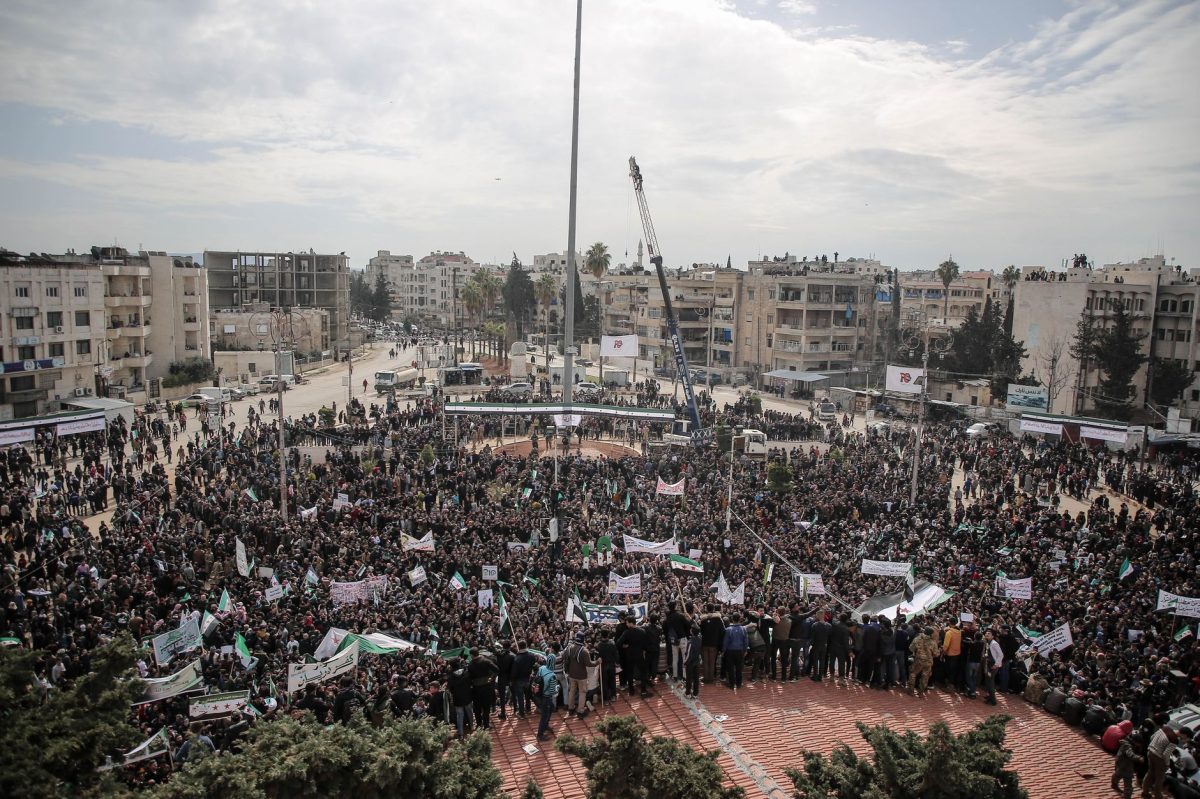
Ethiopia's National Election Board Reports Voting Disruptions in Oromia and Amhara


Voting was disrupted in certain areas of Ethiopia's Oromia and Amhara regions, with the National Election Board of Ethiopia (NEBE) reporting that 143 polling stations failed to open due to security issues, affecting thousands of voters. This development has significant implications for the country's democratic process, which has been marked by controversy and tension in recent years.
Voting Disruptions Reported in Several Regions
According to Addis Standard, the NEBE said 143 polling stations across the country failed to open today due to security-related problems. This number represents a significant portion of the country's total polling stations, and it is unclear how many voters were affected. The NEBE attributed the disruptions to logistical issues and security concerns, but did not provide further details. The Board emphasized that voting would continue in other areas without incident. The disruptions occurred in several regions, including Oromia and Amhara, where tensions have been high in recent months. In Oromia, at least 50 polling stations were unable to open, according to a source within the NEBE. The source, who wished to remain anonymous, said that the disruptions were caused by a combination of logistical and security issues. The NEBE has not yet released an official statement on the disruptions, but a spokesperson for the Board said that voting would continue in other areas without incident.
Broader Implications for Ethiopia's Democracy
The voting disruptions in Ethiopia's Oromia and Amhara regions have significant implications for the country's democratic process. The country has been marked by controversy and tension in recent years, with the ruling Ethiopian People's Revolutionary Democratic Front (EPRDF) facing opposition from various groups. The EPRDF has been accused of suppressing opposition and manipulating the electoral process, leading to widespread protests and unrest. The voting disruptions in Oromia and Amhara are likely to exacerbate these tensions, and could potentially lead to further unrest. The international community has been critical of the EPRDF's handling of the electoral process, and the voting disruptions are likely to fuel these criticisms. The disruptions also raise concerns about the legitimacy of the electoral process, and whether the results will be seen as credible by the international community.
“The National Election Board of Ethiopia is committed to ensuring a free and fair electoral process, but we are facing significant challenges in certain areas. We are working to resolve these issues as quickly as possible, and we urge all parties to remain calm and peaceful.”
What We Don't Know Yet
There are several questions that remain unanswered in the wake of the voting disruptions in Ethiopia's Oromia and Amhara regions. The NEBE has not yet released an official statement on the number of voters affected, or the specific reasons for the disruptions. The Board has also not provided details on how the disruptions will be resolved, or what measures will be taken to prevent similar incidents in the future. The international community is likely to be watching the situation closely, and there may be calls for an independent investigation into the disruptions. However, it is unclear whether such an investigation will be forthcoming, or what the outcome would be if it were to occur.
Key Takeaways
- 143 polling stations failed to open in Ethiopia's Oromia and Amhara regions due to security-related problems.
- The National Election Board of Ethiopia (NEBE) attributed the disruptions to logistical issues and security concerns.
- The NEBE has promised to provide regular updates on the situation and to work to resolve the issues as quickly as possible.
- The international community is likely to be watching the situation closely, and there may be calls for an independent investigation into the disruptions.
What to Watch
Over the next 24-72 hours, there are several key developments that will be worth watching. The NEBE is likely to provide further updates on the situation, including the number of voters affected and the specific reasons for the disruptions. The international community may also release statements on the situation, and there may be calls for an independent investigation into the disruptions. The EPRDF may also be under pressure to respond to the criticisms of its handling of the electoral process, and there may be further protests and unrest in the affected regions. The NEBE has promised to provide regular updates on the situation, and to work to resolve the issues as quickly as possible.
Despite being one of the oldest countries in the world, Ethiopia has never been colonized by a European power, except for a brief period of Italian occupation from 1936 to 1941.
The voting disruptions in Ethiopia's Oromia and Amhara regions are a significant development in the country's electoral process. The NEBE has promised to provide regular updates on the situation, and to work to resolve the issues as quickly as possible. However, the situation remains uncertain, and there are several questions that remain unanswered.