Iran War Divides Muslims in the Philippines Amid Foreign Policy Debates

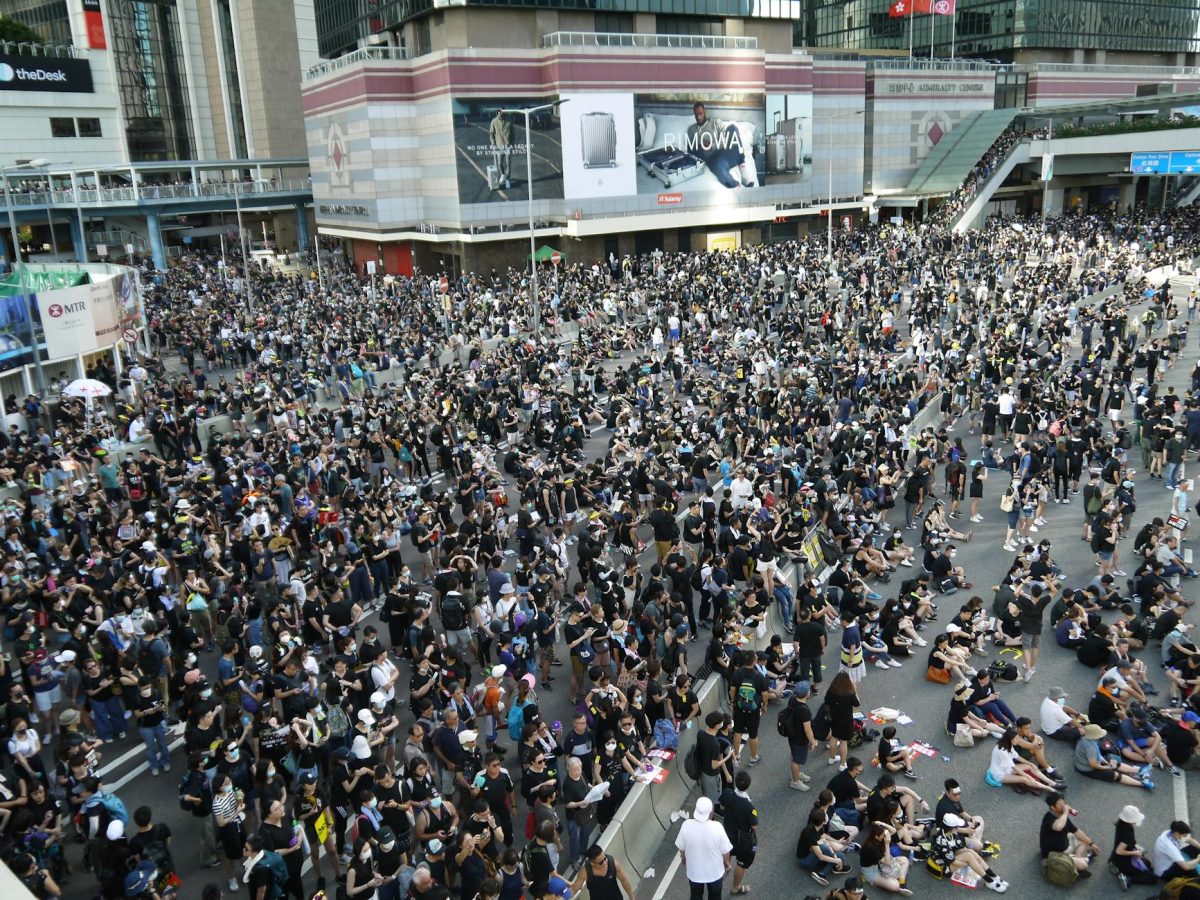
A recent surge in pro-Iran demonstrations in the Philippines has highlighted the complex and often contentious nature of foreign policy debates within the country's Muslim communities. The issue is not just about supporting or opposing Iran, but also about the potential impact on the Philippines' relations with the Middle East and the global Muslim community. As tensions between Iran and the US escalate, the Philippines' Muslim communities are being forced to navigate a complex web of geopolitics and ideological divisions.
What Happened: Pro-Iran Demonstrations in the Philippines
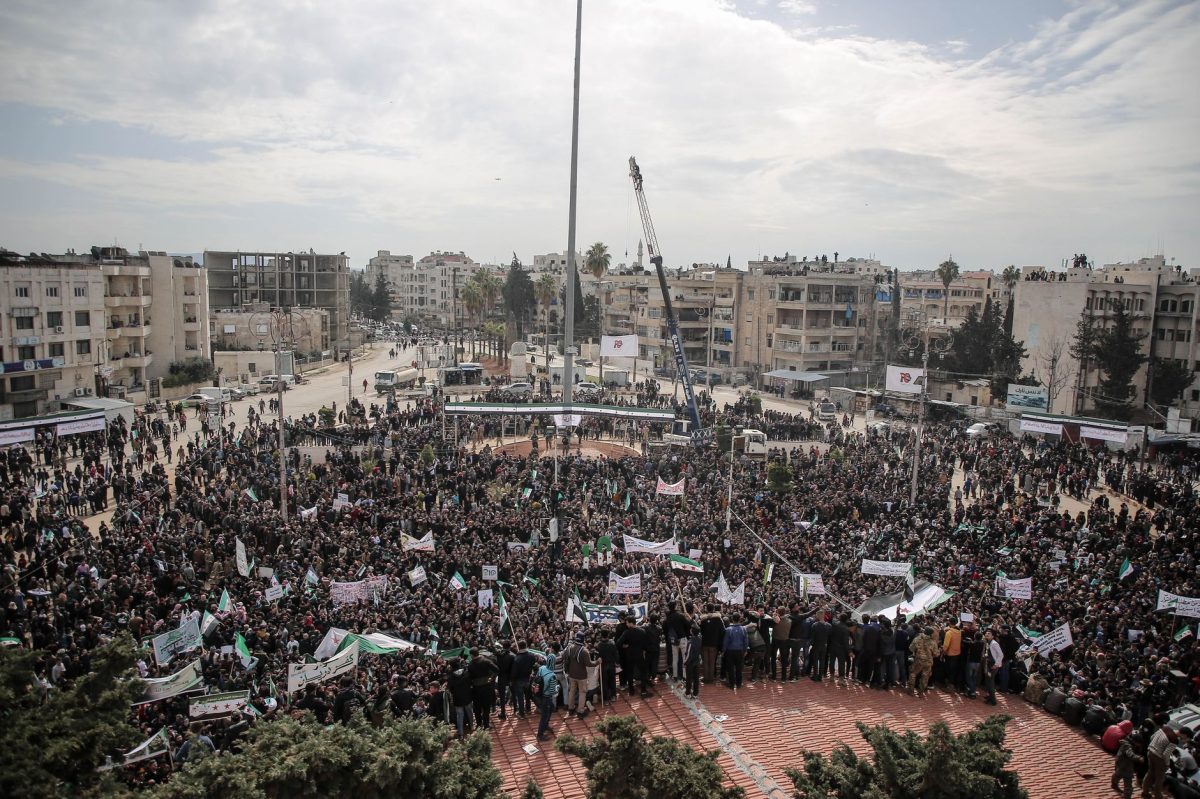
According to eyewitness accounts, hundreds of people gathered in Manila's Rizal Park on February 8 to show their support for Iran amid the ongoing conflict with the US. The demonstration was organized by a local Muslim group, which claimed that the US was waging a
Why It Matters: The Impact on the Philippines' Relations with the Middle East
The Iran war is a highly charged and sensitive topic in the Philippines, given the country's historical relationships with both Iran and the US. The Philippines has long maintained cordial relations with the US, which has been a key ally in the country's fight against terrorism and other security issues. However, the Philippines has also maintained good ties with Iran, which has invested heavily in the country's energy sector. As tensions between Iran and the US escalate, the Philippines is caught in the middle, facing a difficult decision about which side to support. This decision will have significant implications for the country's economic and security partnerships with both the US and Iran. According to a report by the Philippine Star, the country's economic losses from the Iran war could range from $1 billion to $5 billion, depending on the duration and intensity of the conflict.
“The Iran war is not just about Iran or the US; it's about the future of the Muslim world and the Philippines' place in it. We need to think carefully about our stance on this issue and how it will impact our country's relations with the Middle East and the global Muslim community.”
What We Don't Know Yet: Uncertainty and Gaps in the Story
Despite the growing tensions in the Philippines' Muslim community, there is still much that remains unclear about the Iran war and its implications for the country. One major uncertainty is the impact of the conflict on the Philippines' economy, which is heavily reliant on remittances from overseas Filipino workers (OFWs) in the Middle East. According to a report by the Bangko Sentral ng Pilipinas (BSP), the country's central bank, the OFW remittances are projected to decline by 10% to 15% in the coming months due to the Iran war. Another uncertainty is the potential for violence and instability in the Philippines, particularly in areas with significant Muslim populations. According to a report by the International Crisis Group, the Philippines is at risk of being drawn into the conflict in Iran, particularly if the US were to launch military strikes against Iranian targets.
Key Takeaways
- The Iran war is a highly charged and sensitive topic in the Philippines, with significant implications for the country's relations with the US and the Middle East.
- The Philippines' Muslim community is divided on the issue of Iran, with some leaders calling for a more assertive stance in support of Iran, while others advocate for a more cautious approach.
- The Iran war has significant implications for the Philippines' economy, with a projected decline in OFW remittances of 10% to 15% in the coming months.
- The Philippines is at risk of being drawn into the conflict in Iran, particularly if the US were to launch military strikes against Iranian targets.
What to Watch: Key Developments and Realistic Outcomes
In the coming days and weeks, several key developments will be worth watching in relation to the Iran war and its implications for the Philippines. One key event to watch is the outcome of the US-Iran talks, which are expected to take place in the coming weeks. If the talks fail to produce a peaceful resolution, it could lead to a further escalation of the conflict and a more significant impact on the Philippines' economy and security. Another key event to watch is the reaction of other countries in the region to the Iran war. If other countries in the region were to take a strong stance in support of Iran, it could further isolate the Philippines and make it more difficult for the country to navigate the complex web of geopolitics in the Middle East.
Despite being a predominantly Catholic country, the Philippines has a significant Muslim population, with around 5% of the population identifying as Muslim, and the country has a long history of cultural and economic ties with the Middle East, with Iranian traders and travelers visiting the Philippines as early as the 14th century.
The Iran war is a highly charged and sensitive topic in the Philippines, with significant implications for the country's relations with the US and the Middle East. As tensions between Iran and the US escalate, the Philippines is caught in the middle, facing a difficult decision about which side to support. This decision will have significant implications for the country's economy, security, and relations with other countries in the region.