How To Stay Safe While Surfing or Swimming in Shark-Infested Waters
Expert Guide to Minimizing Risks and Enjoying the Ocean Safely
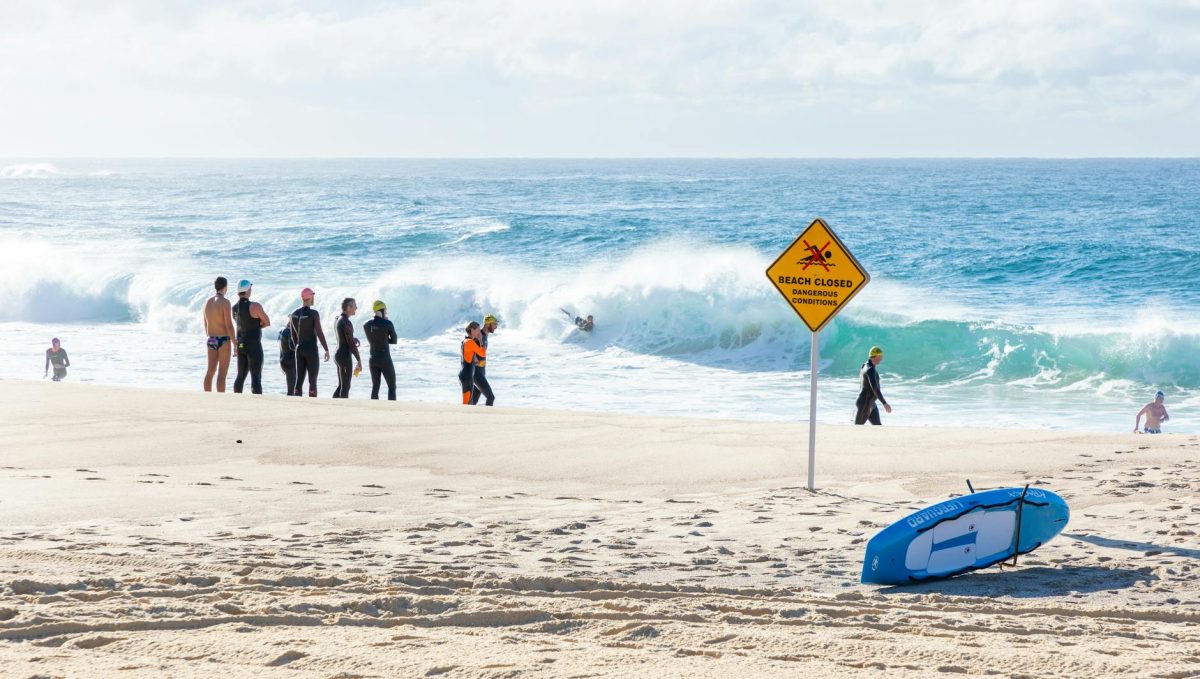
Are you preparing for a tropical vacation or a day at the beach? Did you know that shark encounters are increasing worldwide? Follow our 7-step guide to minimize risks and enjoy the ocean safely. In this article, we'll cover essential tips, tools, and best practices to ensure a fun and shark-free experience.
Step 1: **Research** Shark-Infested Areas
Before heading out to the beach or a swimming spot, research the area for shark sightings or attacks. Utilize online resources like the Global Shark Attack File or local government websites to stay informed. For example, the Surf Life Saving Australia website provides a comprehensive guide to shark safety and spot-specific information. Take note of any warnings, beach closures, or restrictions in the area.
Step 2: **Understand** Shark Behavior and Migration Patterns
Educate yourself on shark behavior, migration patterns, and feeding habits. Knowing when and where sharks are most active can help you avoid their habitats. For instance, sharks are often more active in coastal areas with bait fish or near river mouths. Additionally, some shark species migrate to warmer waters during certain times of the year. Consult with local guides, lifeguards, or marine biologists for expert insights.
Step 3: **Choose** Shark-Free Swimming and Surfing Areas
Select beaches or swimming spots with minimal shark activity or those that have implemented effective shark mitigation measures. Look for areas with shark-detecting systems, shark nets, or other preventive measures. For example, some beaches in Australia and South Africa have implemented shark-detecting drones or underwater listening devices to alert swimmers of potential shark presence.
Step 4: **Avoid** Swimming at Dawn, Dusk, or Night
Avoid swimming during these times when sharks are most active. Sharks have excellent night vision and can detect fish and other prey more efficiently in low light conditions. If you must swim during these times, choose areas with artificial lighting or those that have implemented enhanced safety measures.
Step 5: **Wear** Protective Gear and Follow Instructions
Wear protective gear such as wetsuits, rash guards, or swimwear that provides adequate coverage. Follow instructions from lifeguards, instructors, or local guides. For instance, some beaches require swimmers to wear specific types of wetsuits or to swim in designated areas. Be aware of any local regulations or guidelines for swimming and surfing safety.
Step 6: **Stay** Alert and Aware of Your Surroundings
Maintain situational awareness and stay alert when swimming or surfing. Keep an eye out for shark warning signs, beach closures, or other safety alerts. Stay close to lifeguards or buddy up with a group. If you notice any unusual signs, such as fish swimming frantically or birds flying erratically, it may indicate shark presence.
Step 7: **Know** What to Do in Case of a Shark Encounter
In the unlikely event of a shark encounter, remain calm and follow established protocols. For example, if a shark approaches, stay calm, maintain eye contact, and slowly back away without turning your back. If a shark bites, seek medical attention immediately. Familiarize yourself with local emergency response procedures and the nearest medical facilities. Consult with local authorities, lifeguards, or marine biologists for expert guidance on shark encounter prevention and response.
Many shark attacks occur due to mistaken identity, as sharks mistake humans for their natural prey. To minimize this risk, avoid wearing shiny jewelry, bright clothing, or other items that might attract sharks' attention.
By following these 7 steps, you'll be well-equipped to minimize risks and enjoy the ocean safely. Remember to stay informed, be aware of your surroundings, and follow local guidelines for swimming and surfing safety. Whether you're a seasoned surfer or a beginner swimmer, taking the necessary precautions will ensure a fun and shark-free experience.