5 Ways To Identify Poisonous Plants in Your Area
A Beginner's Guide to Safely Navigating Your Local Environment
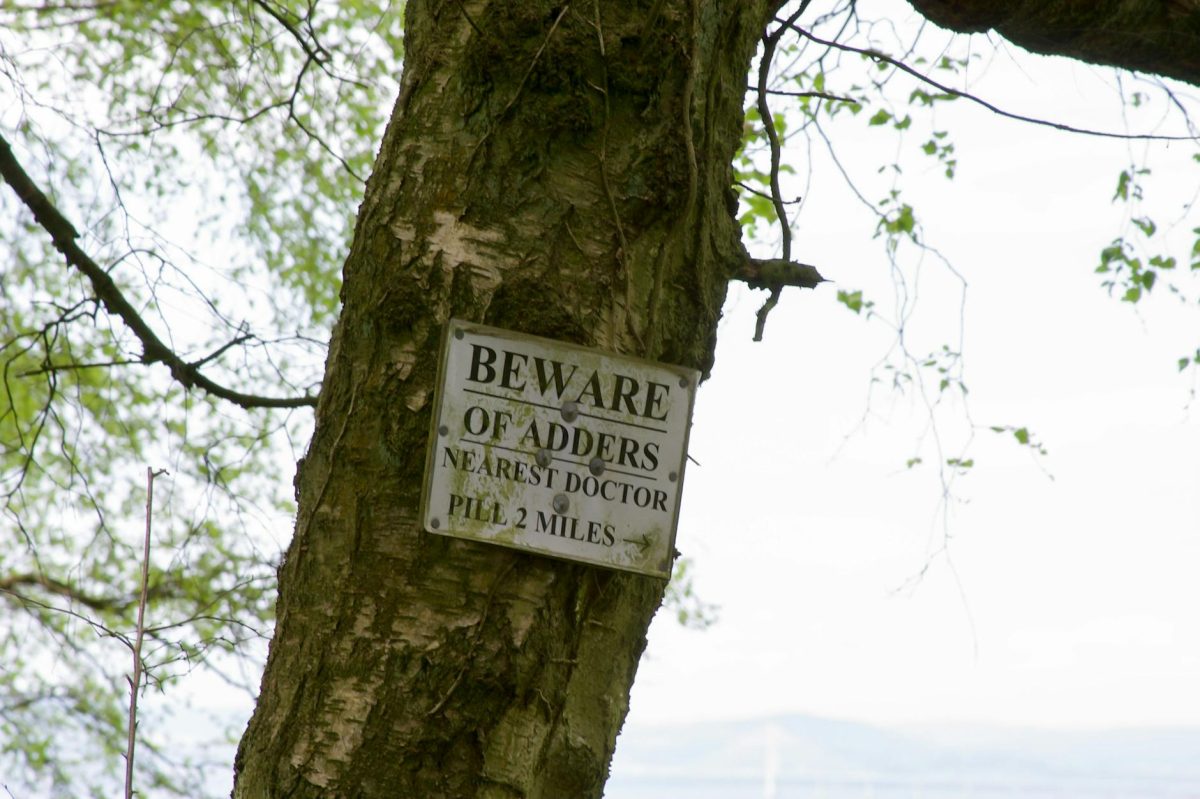
Are you aware of the potential dangers lurking in your neighborhood? Poisonous plants can be deadly, and it's essential to know how to identify them. In this guide, we'll walk you through the 5 ways to safely identify and avoid poisonous plants in your area.
Step 1: Research Your Local Plant Species
Consult with your local nursery or gardening store for information about the plants commonly found in your area. You can also use online resources like the USDA Plant Database to research the plants that are native to your region. Make a list of the plants you commonly encounter and take note of their characteristics, including shape, color, and smell.
Step 2: Learn to Identify Poisonous Plants
Familiarize yourself with the most common poisonous plants in your area, such as poison ivy, poison oak, and poison sumac. Use apps like PlantSnap or Leafsnap to help you identify plants and learn more about their toxic properties. Take note of the plant's leaf pattern, growth habit, and any distinctive features.
Step 3: Understand Plant Toxicity
Understand the level of toxicity associated with each plant. Some plants are mildly irritating, while others can be deadly. Research the plant's toxicity level and take necessary precautions when handling or approaching the plant.
Step 4: Use Safety Precautions When Handling Plants
Wear protective clothing when handling plants, including long sleeves, gloves, and eye protection. Make sure to wash your hands thoroughly after handling any plant, and avoid touching your face or mouth. If you're unsure about the plant's safety, err on the side of caution and avoid it altogether.
Step 5: Educate Yourself and Others
Share your knowledge with friends and family members, and make sure they're aware of the potential dangers of poisonous plants in your area. Consider attending local workshops or classes to learn more about plant safety and identification. By educating yourself and others, you can help prevent accidents and ensure a safer environment for everyone.
Always **err on the side of caution** when encountering a plant you're unsure about. It's better to be safe than sorry when it comes to poisonous plants.
By following these 5 steps, you'll be well on your way to safely navigating your local environment and avoiding potential dangers. Remember to stay vigilant and keep learning about plant safety and identification. With practice and experience, you'll become a pro at identifying poisonous plants and protecting yourself and others.