How To Save Money on Electricity Bills in 2026
Beat Rising Electricity Prices with These 7 Practical Tips
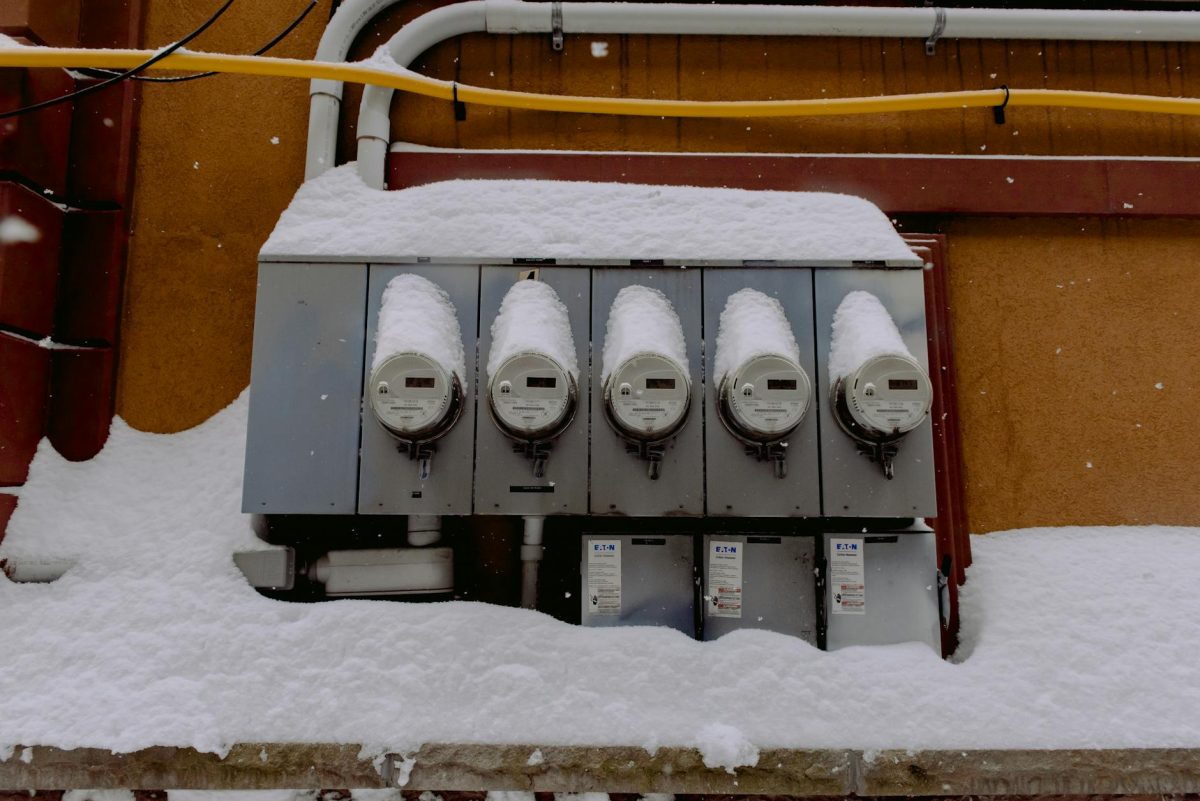
As electricity prices continue to rise, households are facing increasingly expensive summer bills. Learning how to save money on electricity bills is essential for managing your household expenses. This guide provides 7 practical tips to help you reduce your energy consumption and lower your electricity bills.
Step 1: **Conduct an Energy Audit** of Your Home
An energy audit will help you identify areas of energy inefficiency in your home. Use online tools like the Energy Star Home Energy Yardstick to assess your home's energy usage. This will provide you with a comprehensive report highlighting opportunities for improvement. Based on the results, you can prioritize and implement energy-efficient solutions.
Step 2: **Seal Air Leaks** in Your Home
Air leaks can account for up to 30% of energy loss in your home. Use caulk, spray foam, or weatherstripping to seal gaps around windows, doors, and electrical outlets. You can also use a DIY air leak detector kit to identify areas that require attention.
Step 3: **Upgrade to Energy-Efficient Lighting**
Replace traditional incandescent bulbs with LED or CFL bulbs, which use significantly less energy and last longer. Consider installing smart lighting systems that can be controlled remotely and adjust their brightness based on the time of day. For example, you can use the Philips Hue smart lighting system.
Step 4: **Adjust Your Thermostat Settings**
Lowering your thermostat by just 1°C can save up to 3% on your energy bill. Adjust your thermostat settings to use energy-efficient modes like programmable thermostats or smart thermostats that learn your schedule and preferences. For instance, you can use the Nest Learning Thermostat.
Step 5: **Use Power Strip Plug Load Controllers**
Plug load controllers can help you manage standby power consumption in your home. Use a power strip with a switch or a smart plug load controller to turn off non-essential appliances and electronics when not in use. For example, you can use the Belkin Conserve Smart Plug.
Step 6: **Wash Clothes in Cold Water**
Washing clothes in cold water can save up to 90% of the energy used for hot water washing. Use a cold water setting on your washing machine and consider using a high-efficiency front-loading washer. You can also use a laundry detergent designed for cold water washing.
Step 7: **Monitor Your Energy Consumption**
Keep track of your energy consumption using a smart energy monitor or a budgeting app like Mint or Personal Capital. Set energy-saving goals and monitor your progress. This will help you identify areas for improvement and make adjustments accordingly.
Many homes may be eligible for energy-efficient incentives and rebates from their utility companies or local governments. Research and explore these opportunities to offset the costs of energy-efficient upgrades.
By implementing these 7 practical tips, you can reduce your energy consumption and lower your electricity bills. Remember to monitor your progress and make adjustments as needed. Start making a positive impact on your energy usage today!