How To Understand And Respect The LGBTQ+ Community's Rights In 2026
Navigating the complexities of gender identity and expression to build a more inclusive society
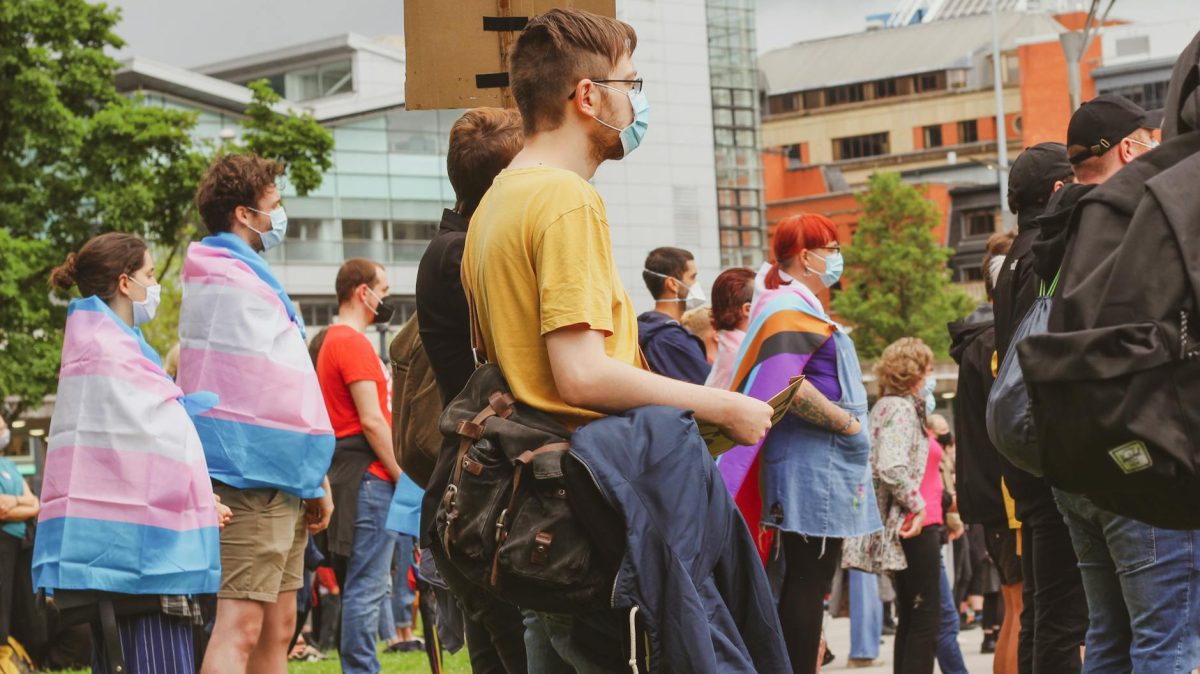
The LGBTQ+ community is a fundamental part of our society, and understanding their rights is crucial for building a more inclusive and accepting world. Unfortunately, misconceptions and a lack of education can lead to harm and exclusion. In this guide, we'll provide 7 practical steps to help you understand and respect the LGBTQ+ community's rights in 2026.
Step 1: Educate Yourself On LGBTQ+ Terminology And Concepts
Start by learning the basics of LGBTQ+ terminology, including gender identity, expression, and the differences between sex assigned at birth and gender identity. Utilize online resources like the GLAAD Media Reference Guide or the Human Rights Campaign's Glossary of Terms to get started. It's essential to approach this education with an open mind and a willingness to learn. Spend at least 30 minutes reviewing these resources to gain a solid foundation.
Step 2: Understand The Importance Of Pronouns And Respectful Language
Learn about the importance of using correct pronouns and respectful language when interacting with LGBTQ+ individuals. Make sure to ask for a person's preferred pronouns and use them consistently. You can also use online tools like Pronoun Pro to help you remember and use the correct pronouns. This simple act can go a long way in making a person feel seen and respected.
Step 3: Learn About LGBTQ+ History And The Struggle For Rights
Study the history of the LGBTQ+ movement, including key events, figures, and milestones. Understanding the struggles and challenges faced by the community will help you appreciate the importance of LGBTQ+ rights and the ongoing fight for equality. Utilize resources like the LGBTQ+ History Project or The Advocate's LGBTQ+ Timeline to explore this important topic.
Step 4: Understand The Difference Between Sex And Gender
Learn about the difference between sex assigned at birth and gender identity. This distinction is crucial for understanding trans individuals and their experiences. Use online resources like The Trevor Project's Guide to Understanding Trans Individuals to gain a deeper understanding of this complex topic. Spend at least 45 minutes reviewing these resources to solidify your understanding.
Step 5: Become An Ally By Listening And Amplifying LGBTQ+ Voices
Becoming an ally to the LGBTQ+ community involves listening to and amplifying their voices. Attend LGBTQ+ events, follow LGBTQ+ leaders and organizations on social media, and use your platform to raise awareness about important issues affecting the community. Utilize online resources like The Ally Project or GLAAD's Allyship Guide to learn more about how to be a supportive ally.
Step 6: Support LGBTQ+ Organizations And Causes
Get involved with LGBTQ+ organizations and causes by donating, volunteering, or spreading the word about their work. Research local LGBTQ+ organizations and find ways to support them, such as attending events or participating in fundraising campaigns. Use online tools like Smile.Amazon to donate to LGBTQ+ organizations with a small portion of your Amazon purchases.
Step 7: Continuously Educate Yourself And Listen To Feedback
Education is an ongoing process, and it's essential to continuously learn and grow. Listen to feedback from LGBTQ+ individuals and be open to adjusting your approach and language. Use online resources like PFLAG's Guide to LGBTQ+ Terminology to stay up-to-date with the latest language and terminology. Spend at least 30 minutes per month reviewing these resources to maintain your knowledge and understanding.
One expert insight most people overlook is the importance of self-reflection and introspection when working to become an LGBTQ+ ally. Take the time to examine your own biases and assumptions, and be willing to confront and challenge them.
By following these 7 steps, you'll be well on your way to understanding and respecting the LGBTQ+ community's rights in 2026. Remember that education is an ongoing process, and it's essential to continuously learn and grow. By being an ally, you can help build a more inclusive and accepting society for everyone.