How To Harness Renewable Energy For Cooling Buildings
Reduce Your Carbon Footprint and Save on Energy Bills with These 5 Simple Steps
As the world grapples with the challenges of climate change, finding innovative ways to reduce our carbon footprint is more important than ever. One area where we can make a significant impact is in our buildings, which account for a large portion of greenhouse gas emissions. In this guide, we'll show you how to harness renewable energy for cooling buildings, a crucial step towards a more sustainable future.
Step 1: **Assess Your Building's Cooling Needs**
Start by evaluating your building's cooling demands, including the type of HVAC system you have and the number of occupants. Use online tools like the U.S. Energy Information Administration's (EIA) Building Characteristics Database to gather data on your building's energy usage. This will help you determine the best renewable energy solutions for your specific needs.
Step 2: **Explore Geothermal Energy Options**
Geothermal energy is a promising renewable energy source for building cooling systems. Research companies like Dandelion Energy or New York Power Authority that offer geothermal systems for buildings. Consider the upfront costs and potential savings on your energy bills to determine if geothermal is a viable option for you.
Step 3: **Invest in a **Heat Recovery** System**
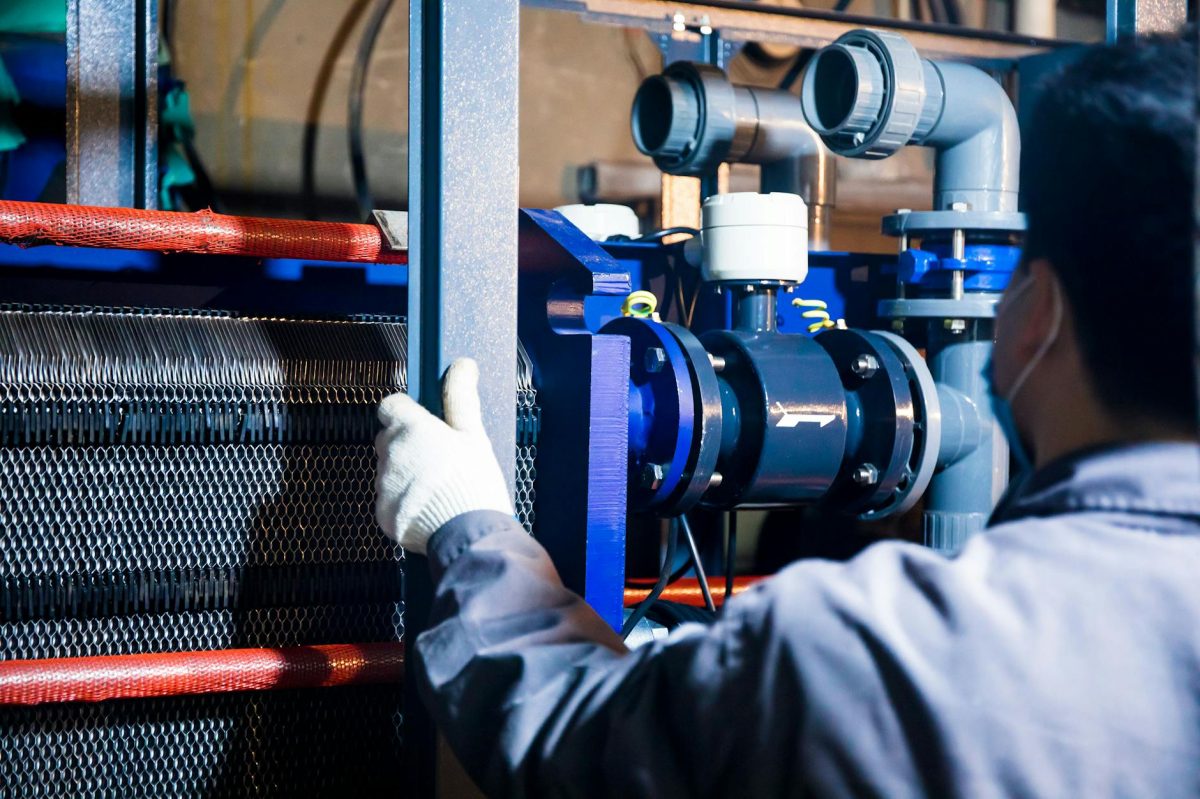
A heat recovery system can help you harness the waste heat from your building's HVAC system and use it to cool your building. Look into products like the Daikin Altherma Heat Recovery System, which can reduce your energy bills by up to 60%.
Step 4: **Implement **Solar Cooling** Systems**
Solar cooling systems use solar energy to power a heat pump, which cools your building. Research companies like SolarCool or Sunamp that offer solar cooling solutions for buildings. Be sure to consider the initial investment costs and potential long-term savings.
Step 5: **Monitor and **Optimize** Your System**
Once you've implemented a renewable energy system, it's essential to monitor and optimize its performance. Use tools like the Energy Management System (EMS) from Siemens to track your energy usage and identify areas for improvement. Regularly review and adjust your system to ensure you're getting the best possible results.
Don't overlook the importance of **building insulation** in reducing your energy bills and carbon footprint. Proper insulation can help keep your building cool in the summer and warm in the winter, reducing the need for heating and cooling systems.
By following these 5 simple steps, you can harness renewable energy for cooling buildings and reduce your carbon footprint. Remember to regularly monitor and optimize your system to ensure you're getting the best possible results. As you take control of your building's energy needs, you'll be one step closer to a more sustainable future.