How To Stay Safe At River Bathing Sites This Summer
A 7-Step Guide to Enjoying England's Inland Rivers While Minimizing Risks
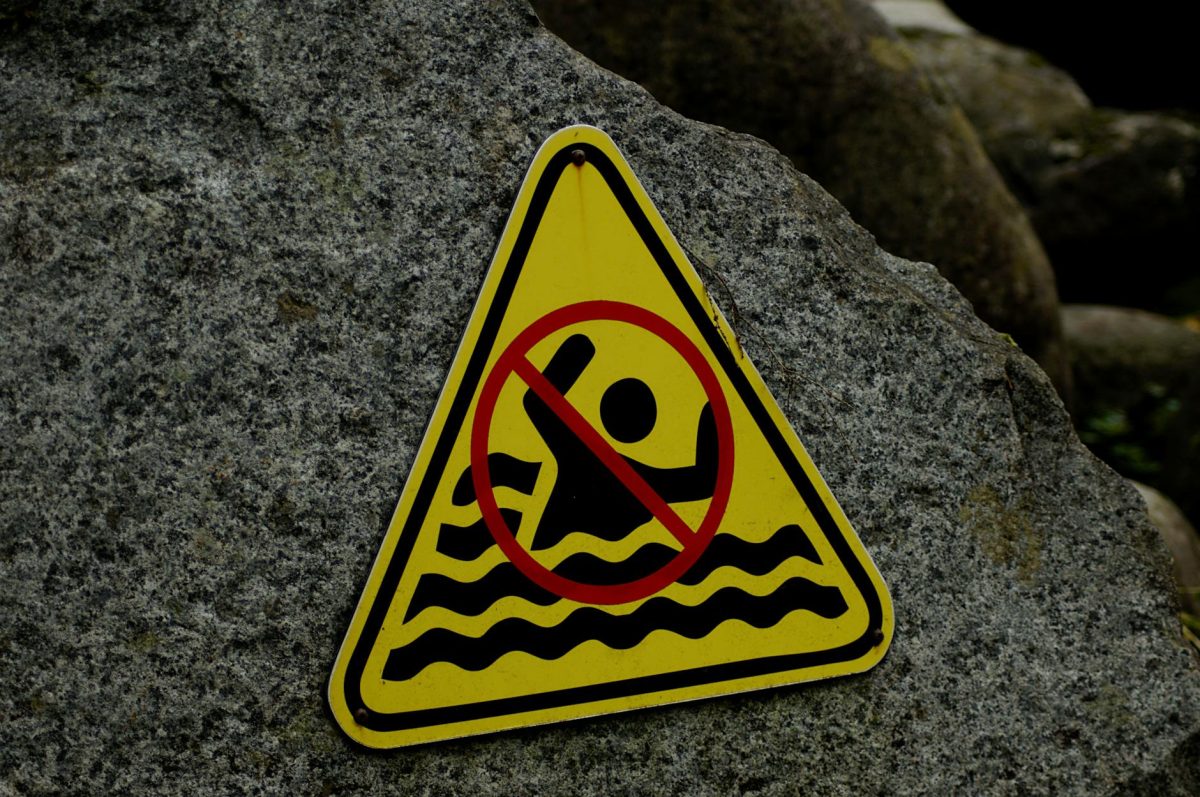
With the summer approaching, many of us are excited to enjoy England's beautiful inland rivers for swimming and bathing. However, with warning signs erected at most river bathing sites, it's essential to know how to stay safe while having fun. In this guide, we'll walk you through 7 simple steps to minimize risks and make the most of your river adventure.
Step 1: Research Your River Bathing Site
Before heading to a river bathing site, research the location to understand the potential hazards. Check the website of the local authority or a river safety organization, such as the Environment Agency, for information on water quality, current conditions, and any warning signs. Use online resources like Google Maps to familiarize yourself with the area and identify any potential risks, such as strong currents or loose rocks.
Step 2: Check Water Conditions
On the day of your visit, check the water conditions by looking for signs of strong currents, pollution, or other hazards. Use a water quality app, such as the River Stewards app, to get real-time updates on water quality and safety. If you're unsure about the water conditions, it's always better to err on the side of caution and choose a different location.
Step 3: Learn Basic Water Safety Skills
Basic water safety skills, such as swimming and treading water, are essential for enjoying river bathing sites safely. Consider taking a swimming lesson or joining a water safety course to learn these essential skills. Practice your skills in a safe environment before heading to the river.
Step 4: Swim with a Buddy
Swimming with a buddy is one of the best ways to stay safe at river bathing sites. Make sure to swim with someone who is a strong swimmer and can assist you if needed. If you're swimming alone, consider wearing a personal flotation device (PFD) for added safety.
Step 5: Watch for Hazards
River bathing sites can be prone to hazards like strong currents, loose rocks, and sharp objects. Keep an eye out for these hazards and avoid areas with strong currents or loose rocks. Use a first aid kit to treat any injuries that may occur.
Step 6: Respect the Environment
Respecting the environment is crucial for maintaining the health of the river and its ecosystem. Avoid littering, respect no swimming signs, and leave the area as you found it. By being mindful of your impact, you'll be helping to preserve the beauty of England's inland rivers for future generations.
Step 7: Know What to Do in an Emergency
In the unlikely event of an emergency, knowing what to do can make all the difference. Make sure to know the location of the nearest life-saving station and have a plan in place for emergency situations. Keep a mobile phone with you at all times in case of an emergency.
One expert insight most people overlook is the importance of knowing the local weather forecast before heading to a river bathing site. Strong winds, thunderstorms, and other weather conditions can make the river more hazardous, so always check the forecast before heading out.
By following these 7 simple steps, you can minimize risks and enjoy a safe and memorable river bathing experience. Remember to always be cautious, respect the environment, and know what to do in an emergency. Stay safe and happy swimming!