England's River Bathing Sites: Warning Signs Amid Safety Concerns

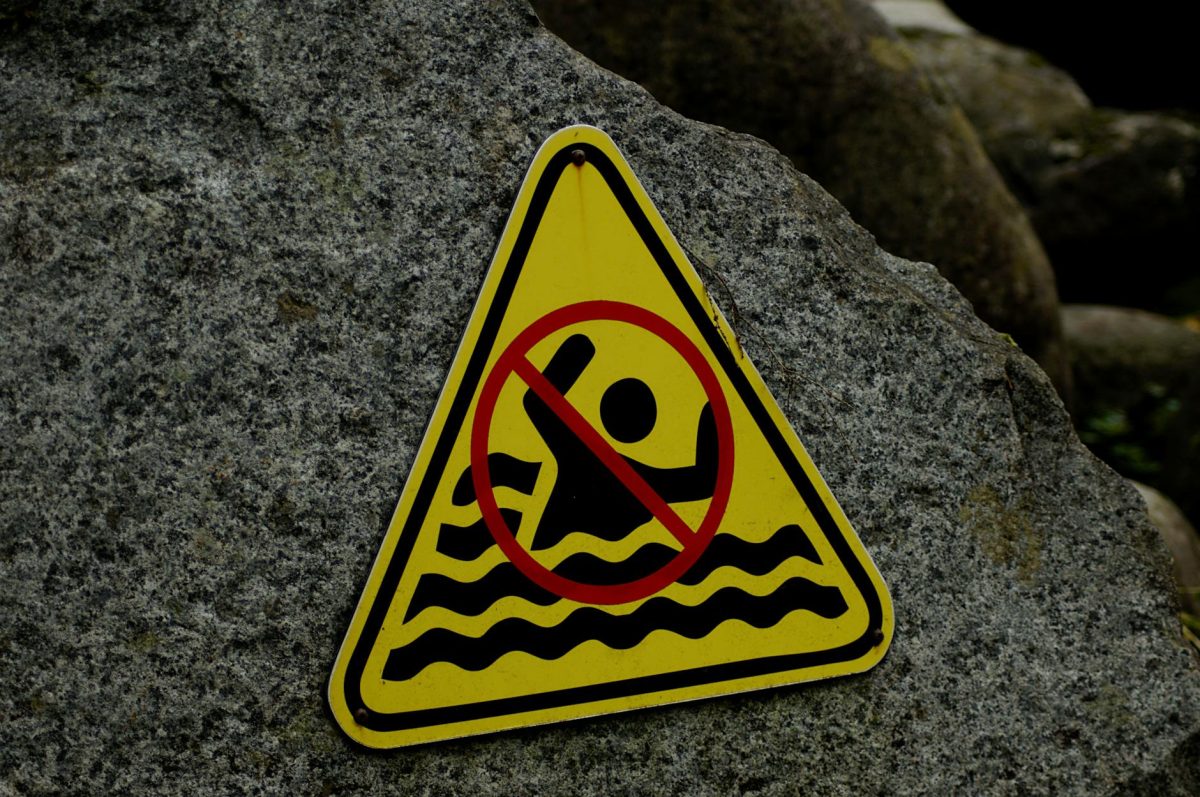
A recent surge in warning signs along England's river bathing sites highlights concerns about the safety of the water. This is particularly alarming for residents and tourists who frequent these areas. The signs warn people not to swim, which raises questions about the long-term impact on public health and the environment.England's Environment Agency has warned that water quality issues at these sites could pose a risk to human health and the environment due to the presence of pollutants and harmful bacteria. With the summer months approaching, the risk of waterborne illnesses and other health issues is expected to increase if the situation is not addressed promptly.
Warning Signs Erupt at England's River Bathing Sites Due to Water Safety Concerns
The Environment Agency (EA) has confirmed that warning signs have been erected at most of England's inland river bathing sites. According to the EA, the signs are a precautionary measure aimed at protecting the public from potential health risks associated with waterborne pollutants and bacteria. The agency has identified several sources of pollution contributing to the decline in water quality, including agricultural runoff, sewage overflows, and industrial effluent. 'We take the safety of our bathing sites very seriously, and we're working closely with local authorities and water companies to address the issues,' said a spokesperson for the EA. For example, a recent report by the EA noted that the River Wye in Herefordshire had seen a significant increase in bacteria levels, leading to a series of warning signs being erected along the riverbank. The agency has also reported that the River Thames has been affected by sewage overflows, which has resulted in a decrease in water quality. The EA has warned that the situation may worsen if the pollution issues are not addressed promptly, highlighting the need for urgent action to protect public health and the environment. According to a report by the EA, the River Trent in the East Midlands has seen a 50% increase in sewage overflows in the past year, raising concerns about the potential impact on water quality. The agency has stated that it is working closely with water companies to address the issue and improve water quality.
Why It Matters: Public Health and Environmental Concerns
The safety concerns surrounding England's river bathing sites have significant implications for public health and the environment. The presence of pollutants and bacteria in the water poses a risk to human health, particularly for vulnerable individuals such as the elderly and young children. If left unchecked, the situation could lead to a surge in waterborne illnesses, which could have long-term consequences for public health. Furthermore, the decline in water quality has significant environmental implications, with the potential to harm aquatic life and ecosystems. The situation highlights the need for urgent action to address the pollution issues and improve water quality, not only to protect public health but also to preserve the environment for future generations. The Environment Agency has estimated that the cost of cleaning up England's rivers could be as high as £1 billion.


“We take the safety of our bathing sites very seriously, and we're working closely with local authorities and water companies to address the issues.”
What We Don't Know Yet: Gaps in Data and Uncertainty
While the warning signs and reports from the Environment Agency provide a clear indication of the water safety concerns, there are still gaps in data and uncertainty surrounding the extent of the problem. For example, the EA has acknowledged that there is limited data on the impact of sewage overflows on water quality, making it difficult to fully understand the scope of the issue. Furthermore, the agency has stated that it is still working to identify the sources of pollution contributing to the decline in water quality, which may take several months. The uncertainty surrounding the situation highlights the need for continued monitoring and research to fully understand the extent of the problem and inform effective solutions. The EA has emphasized that it is working closely with water companies and local authorities to address the pollution issues and improve water quality, but the pace of progress is uncertain. The Environment Agency has stated that it will continue to work with water companies to improve their performance and address the pollution issues.
Key Takeaways
- Warning signs have been erected at most of England's inland river bathing sites due to water safety concerns.
- The Environment Agency has identified several sources of pollution contributing to the decline in water quality.
- The agency has warned that the situation may worsen if the pollution issues are not addressed promptly.
- The cost of cleaning up England's rivers could be as high as £1 billion.
- The Environment Agency is working closely with water companies to address the pollution issues and improve water quality.
What to Watch: Key Developments and Outcomes
In the coming weeks and months, several key developments and outcomes will be closely watched as the situation unfolds. The Environment Agency will continue to monitor water quality and report on any changes, while water companies will be working to improve their performance and address the pollution issues. Local authorities will also be playing a crucial role in addressing the issue, particularly in terms of enforcing regulations and monitoring water quality. The situation will be closely watched by residents, tourists, and environmental groups, who will be eager to see progress and improvements in water quality. The Environment Agency has stated that it will be working with water companies to implement a new system for reporting sewage overflows, which is expected to improve transparency and accountability.
Interestingly, some of the pollutants found in England's rivers, such as microplastics, can also be found in the human body, highlighting the complex and interconnected nature of the issue.
In conclusion, the situation surrounding England's river bathing sites highlights the need for urgent action to address the pollution issues and improve water quality. By working together, we can protect public health and the environment for future generations, but the pace of progress is uncertain and will depend on the efforts of key stakeholders. As the situation unfolds, it is essential that we remain vigilant and continue to monitor the situation to inform effective solutions.