How To Avoid Boycotts and Cultural Controversies in Business Partnerships 2026
Protect your brand reputation and stay safe from global backlash with our 10-step guide
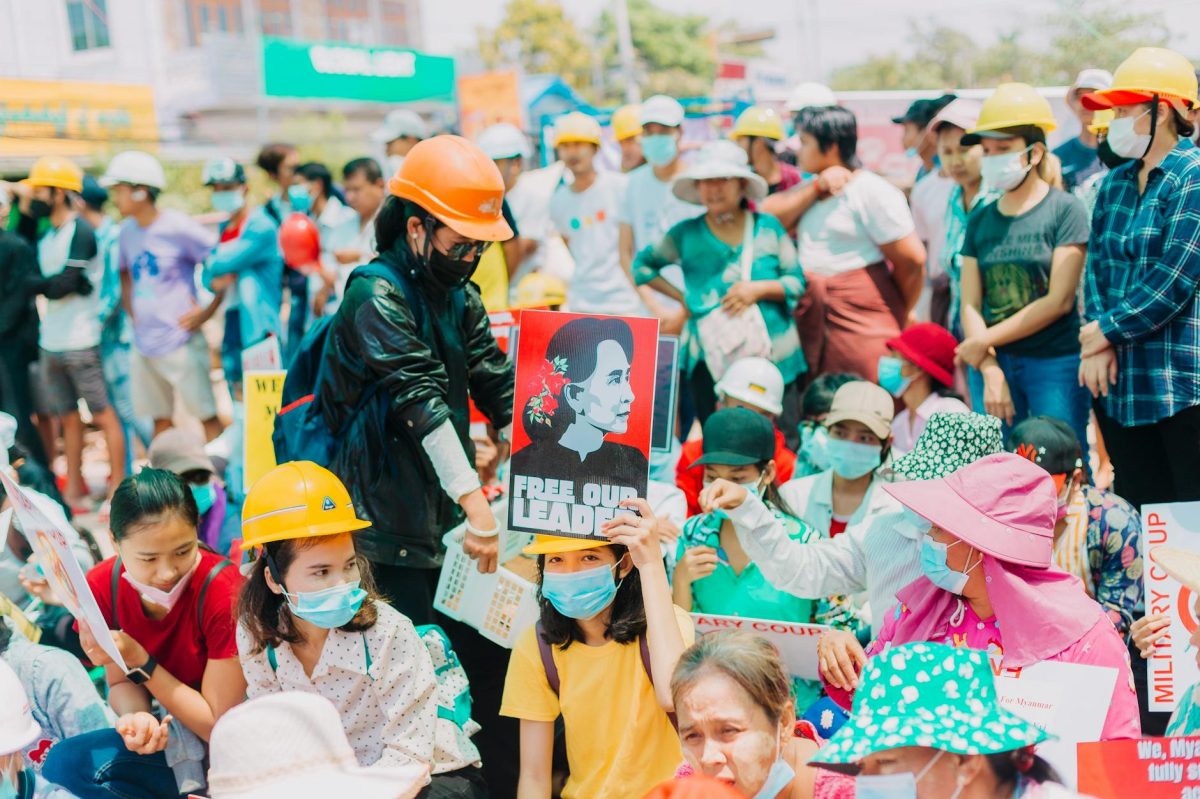
In today's interconnected world, cultural controversies and boycotts can have a significant impact on your business. With countries boycotting each other's cultural events, such as Eurovision, it's essential to navigate these complex issues and protect your company's reputation. This guide will walk you through 10 steps to help you avoid boycotts and cultural controversies in your business partnerships.
Step 1: **Conduct Thorough Risk Assessments**
Before entering into any business partnership or cultural collaboration, conduct thorough risk assessments to identify potential cultural sensitivities or controversies. Use tools like risk management software or consult with experts in international business and cultural relations. This will help you anticipate and mitigate potential risks. For example, you can use the World Bank's Risk Management Framework to identify potential risks and develop strategies to address them.
Step 2: Research Cultural Norms and Values
Research the cultural norms, values, and customs of your business partners and target markets. This will help you understand what may be considered acceptable or unacceptable behavior in different cultures. Use online resources like the World Values Survey or consult with experts in cultural anthropology. For example, you can use the Hofstede Center's cultural database to understand cultural differences and develop effective communication strategies.
Step 3: Develop Cultural Competence Training
Develop cultural competence training programs for your employees and business partners to ensure they understand and respect cultural differences. Use online resources like the Cultural Intelligence Center or partner with cultural competence training providers. This will help you build trust and avoid misunderstandings. For example, you can use the Cultural Intelligence Quotient (CQ) assessment tool to measure cultural competence and develop strategies to improve it.
Step 4: Establish Clear Communication Channels
Establish clear communication channels with your business partners and stakeholders to ensure open and transparent communication. Use collaboration tools like Slack or Microsoft Teams to facilitate regular communication and feedback. This will help you build trust and avoid misunderstandings. For example, you can use the Gantt chart template to create a project schedule and ensure everyone is on the same page.
Step 5: Foster Inclusive Company Culture
Foster an inclusive company culture that values diversity and promotes cultural understanding. Use tools like diversity and inclusion surveys to measure the effectiveness of your diversity and inclusion initiatives. This will help you create a positive and respectful work environment. For example, you can use the Diversity and Inclusion Index to measure your company's performance and develop strategies to improve it.
Step 6: Monitor Global Events and Develop Crisis Communication Plans
Monitor global events and develop crisis communication plans to address potential cultural controversies or boycotts. Use online resources like Google Trends or social media monitoring tools to track global events and trends. This will help you anticipate and respond to potential crises. For example, you can use the Crisis Communications Plan template to develop a comprehensive crisis communication plan.
Step 7: Engage with Stakeholders and Build Relationships
Engage with stakeholders and build relationships with key influencers and thought leaders in your industry. Use social media platforms like LinkedIn or Twitter to connect with stakeholders and build your personal brand. This will help you build trust and credibility with your stakeholders. For example, you can use the LinkedIn Sales Navigator tool to connect with key stakeholders and build relationships.
Step 8: Be Authentic and Transparent
Be authentic and transparent in your branding and marketing efforts. Use storytelling techniques to share your company's values and mission with your audience. This will help you build trust and credibility with your customers and stakeholders. For example, you can use the brand storytelling framework to develop a compelling brand story and connect with your audience.
Step 9: Develop Partnerships with Reputable Organizations
Develop partnerships with reputable organizations that share your company's values and mission. Use online resources like the World Economic Forum's Partner Database or consult with experts in business development. This will help you build trust and credibility with your stakeholders. For example, you can use the Partner Evaluation Framework to evaluate potential partners and develop effective partnerships.
Step 10: Continuously Monitor and Evaluate
Continuously monitor and evaluate your company's performance and adjust your strategies as needed. Use metrics like customer satisfaction scores or brand reputation metrics to measure your performance. This will help you stay ahead of the curve and avoid cultural controversies. For example, you can use the Social Media Metrics template to track your social media performance and adjust your strategies accordingly.
Pro Tip: Conduct regular culture audits to identify potential cultural sensitivities or controversies and develop strategies to address them.
By following these 10 steps, you can protect your brand reputation and stay safe from global backlash. Remember to continuously monitor and evaluate your performance to stay ahead of the curve. Take the first step today and start building a strong foundation for your business partnerships.