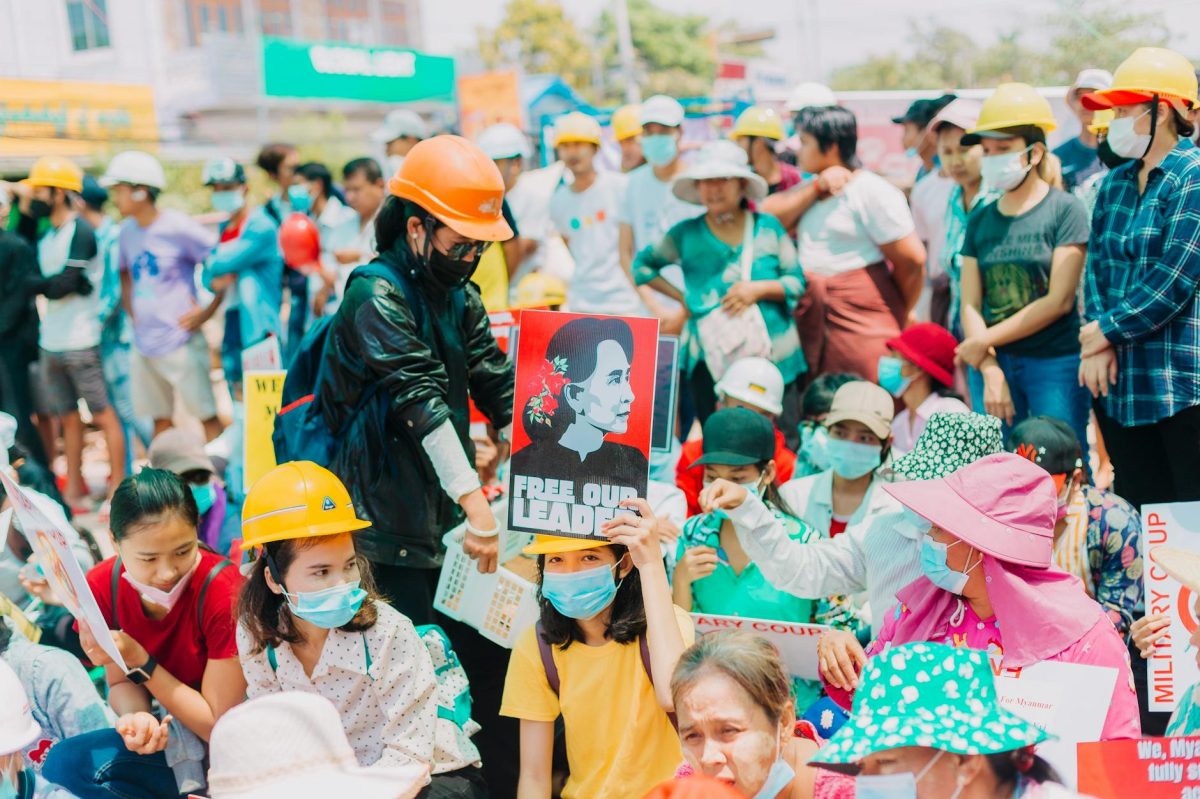
How To Protect Human Rights During Conflict: The Beginners Guide
Understand the risks of detention and persecution, and learn how to safeguard your rights and the rights of others

Conflicts and crises around the world often lead to serious human rights violations. As a civilian, it's essential to understand the risks of detention and persecution and take steps to safeguard your rights and the rights of others. In this guide, you'll learn practical ways to protect human rights during conflict, including how to identify potential risks and take action to prevent abuses.
Step 1: **Stay Informed** About Conflict Zones
Stay up-to-date with news and developments about conflict zones, including reports from reputable organizations like Amnesty International and Human Rights Watch. Follow local and international media outlets, and sign up for newsletters and alerts from organizations that monitor human rights abuses. This will help you understand the situation on the ground and identify potential risks to human rights.
Step 2: **Identify Red Flags** for Human Rights Abuses
Look for signs of human rights abuses, such as arbitrary detention, torture, and enforced disappearance. Be aware of the use of military or state force against civilians, and the targeting of specific groups, such as minorities or opposition activists. If you witness or suspect human rights abuses, report them to the relevant authorities or organizations, such as the United Nations or local human rights groups.
Step 3: **Know Your Rights** and Obligations
Understand your rights and obligations under international law, including the Geneva Conventions and the Universal Declaration of Human Rights. Familiarize yourself with local laws and regulations, and know how to access humanitarian assistance and protection if needed. Keep a record of your activities and whereabouts, and make sure you have a plan in case of emergency or detention.
Step 4: **Support Human Rights Defenders**
Support human rights defenders and organizations that work to protect and promote human rights. Donate to reputable organizations, volunteer your time, and raise awareness about human rights issues on social media. You can also support human rights defenders directly by providing financial or material assistance, such as legal aid or medical support.
Step 5: **Prepare for Detention** and Emergencies
Prepare for the possibility of detention or other emergencies by keeping essential items, such as identification documents, medical records, and contact information, in a safe and accessible place. Make sure you have a plan for communication and contact with family and friends, and know how to access emergency services, such as the Red Cross or local humanitarian organizations.
Many human rights abuses go unreported due to fear or lack of awareness. If you witness or suspect human rights abuses, report them to the relevant authorities or organizations, and take steps to protect yourself and others from retaliation.
By following these steps, you can better protect human rights during conflict and stay safe while promoting justice and accountability. Remember to stay informed, identify red flags, know your rights, support human rights defenders, and prepare for emergencies. Take action today to make a difference!