How To Survive a Global Food Crisis: 5 Essential Steps
Stay safe and prepared during a worldwide food shortage with these actionable tips and expert advice
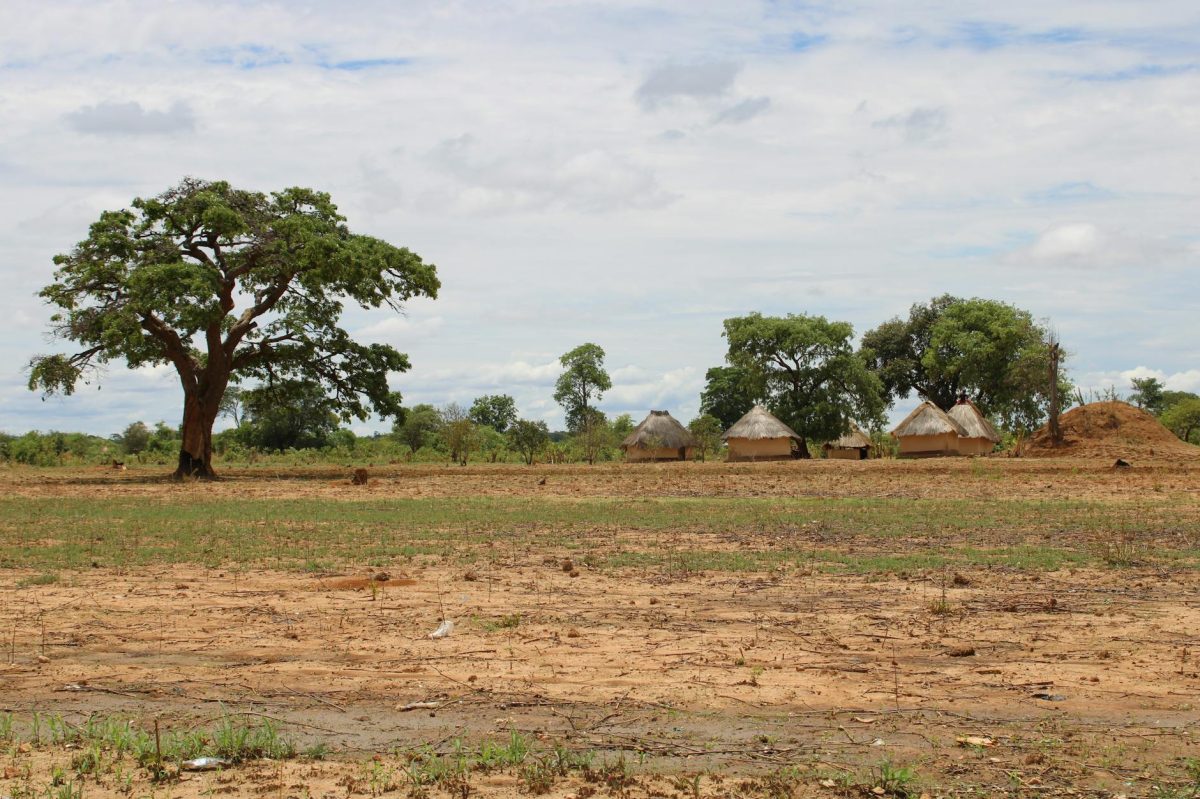
With millions of people at risk of famine due to droughts and food shortages, it's essential to know how to survive a global food crisis. In this guide, we'll show you the 5 essential steps to take to stay safe and prepared during a worldwide food shortage. Whether you're a beginner or an experienced prepper, these actionable tips will help you navigate the challenges of a food crisis and come out on top.
Step 1: Assess Your Food Supply
Audit your current food stock and identify what you already have. Check expiration dates, and separate items into categories such as non-perishable food, canned goods, and fresh produce. Consider using a food inventory app like FoodKeeper (available on iOS and Android) to track your supplies and stay organized. Set realistic goals for your emergency food supply, aiming for at least 3-6 months' worth of non-perishable food.
Step 2: Build an Emergency Food Supply
Stockpile non-perishable food items such as grains, dried legumes, nuts, and seeds. Consider purchasing a food storage container or using a bucket system to keep your supplies dry and organized. You can also use online resources like the USDA's Food Storage Guidelines to learn more about building a balanced emergency food supply.
Step 3: Create a Water Storage Plan
Store at least 1 gallon of water per person per day for drinking, cooking, and hygiene. Consider installing a water filtration system or purchasing a water storage container to hold your emergency water supply. Make sure to check your water supply regularly to ensure it remains safe and usable.
Step 4: Develop a Food Preservation Plan
Learn various food preservation techniques such as canning, dehydrating, and freezing to save food and reduce waste. Consider investing in a food dehydrator or canner to make preservation easier and more efficient. Use online resources like the USDA's Complete Guide to Home Canning to learn more about food preservation techniques.
Step 5: Stay Informed and Connected
Stay up-to-date with the latest news and updates on the food crisis through reputable sources like the World Food Programme and the UN Food and Agriculture Organization. Connect with other preppers and emergency food supply enthusiasts through online forums or social media groups to share knowledge and resources.
Don't overlook the importance of mental health during a food crisis. Make sure to prioritize self-care, stay connected with loved ones, and seek support if needed.
By following these 5 essential steps, you'll be well-prepared to survive a global food crisis. Remember to stay vigilant, adapt to changing circumstances, and continue to learn and grow as a prepper. With the right mindset and resources, you'll be able to navigate the challenges of a food crisis and come out on top.