Somalia on the Brink of Catastrophe: Hunger Crisis Worsens Amid Drought

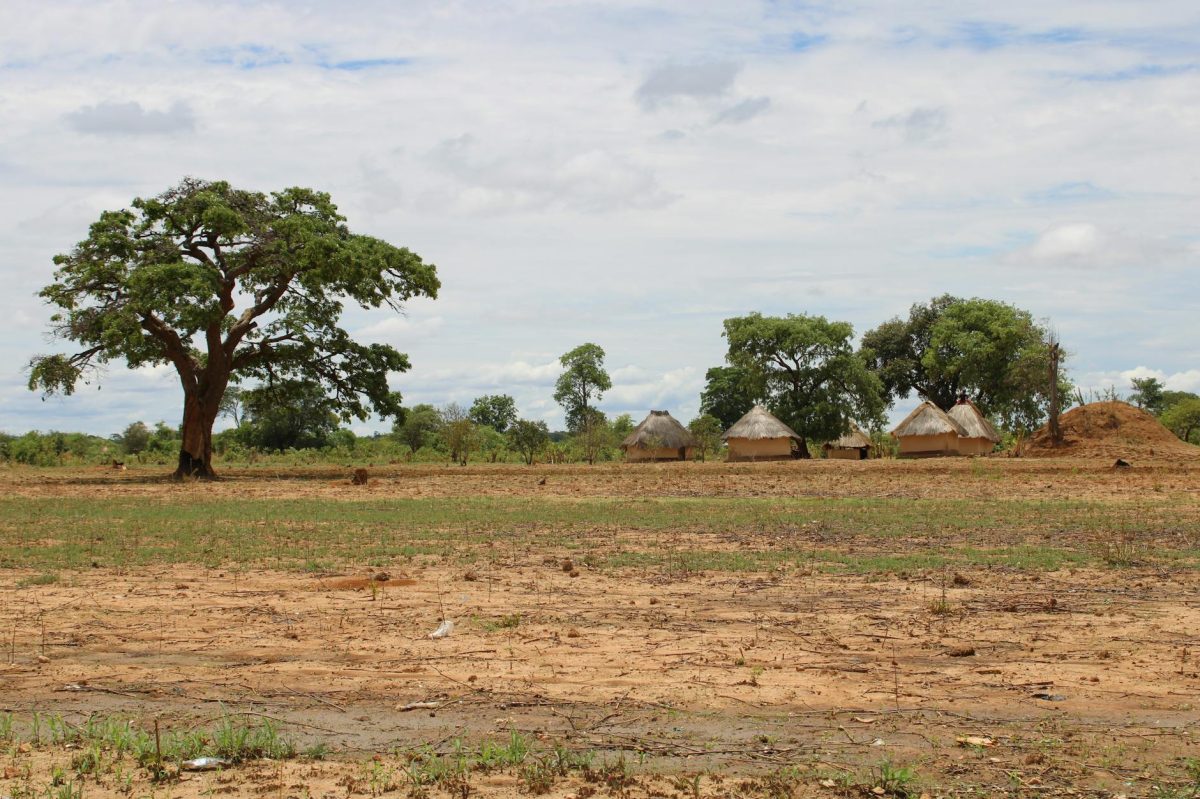
The drought in Somalia has left millions of people without access to food, with the UN warning that the situation is escalating rapidly. The crisis has reached a critical point, with the agency estimating that 7.7 million people, or 40% of the population, are in need of aid. This is not just a humanitarian crisis, but also a grave concern for global food security.
Escalating Hunger Crisis in Somalia
According to the UN, the number of people in Somalia who are severely food insecure has increased by 30% in the past three months, with 2.3 million people now facing extreme hunger. The agency attributes this to the prolonged drought, which has affected the country's main crop of sorghum and maize, as well as the failure of the Deyr rains, which are essential for agriculture. "The drought is having a devastating impact on Somalia's agricultural sector, which is the backbone of the country's economy," said Adamou Niang, a UN spokesperson. For example, in the Bari region, where the drought has been particularly severe, crop yields have decreased by 90% compared to the same period last year.
Broader Pattern of Climate-Induced Food Crises
The Somalia crisis is part of a broader pattern of climate-induced food crises affecting countries in Africa, Asia, and the Pacific. Rising temperatures, changing precipitation patterns, and increased frequency of extreme weather events are all contributing to crop failures, livestock deaths, and reduced agricultural productivity. These events are having a disproportionate impact on vulnerable communities, including smallholder farmers, pastoralists, and women. In addition to the humanitarian costs, climate-induced food crises also have significant economic and social implications, including reduced economic growth, increased poverty, and social unrest.


“The drought is not just affecting Somalia, it's affecting the entire region. We need to work together to address the root causes of climate-induced food crises and support vulnerable communities in their efforts to adapt to a changing climate.”
What We Don't Know Yet
While the UN has warned of a catastrophic humanitarian crisis unfolding in Somalia, there are still many unknowns about the situation. One major concern is the potential for the crisis to spread to other parts of the country, including urban areas. The UN has also expressed concerns about the potential for conflict over resources, particularly in areas where drought has exacerbated existing poverty and inequality.
Key Takeaways
- 7.7 million people in Somalia are in need of aid, or 40% of the population
- 2.3 million people are facing extreme hunger
- Somalia's agricultural sector has been severely affected by the drought
- Climate-induced food crises are affecting countries in Africa, Asia, and the Pacific
- The UN has launched a $1.5 billion appeal to support the humanitarian response in Somalia
What to Watch
In the coming days and weeks, the situation in Somalia will likely continue to deteriorate. The UN has warned that the crisis will worsen if aid is not delivered quickly and in sufficient quantities. The agency will be monitoring the situation closely, and will likely issue further updates and appeals in the coming days.
Somalia has the highest rate of camel milk consumption in the world, with camels providing a vital source of nutrition and income for many communities, and their ability to withstand drought making them a potentially important part of climate resilience efforts.
The Somalia crisis is a stark reminder of the devastating impact of climate-induced food crises on vulnerable communities. While the situation is dire, it is also a call to action for the international community to support Somalia and other countries affected by climate-induced food crises.