Iran Activists Describe Intensified Trauma of Repression Amid War Threats

Iranian dissidents are experiencing increased psychological pressure due to the threat of war with the US, according to a recent interview with the BBC. This situation is particularly relevant as it highlights the human cost of geopolitical tensions. The dissident's story raises questions about the long-term effects of repression on individuals and communities.
Dissident in Tehran Speaks to BBC About Repression
Account to BBC Persian revealed that a dissident in Tehran has described feeling helpless and under immense psychological pressure due to the threat of war with the US. She spoke about the daily struggles she faces in her efforts to remain active in the opposition movement. According to the BBC, the dissident has been subject to intense surveillance and harassment by Iranian authorities. For instance, she has been followed by unknown individuals on multiple occasions. The dissident's account highlights the extent to which the Iranian government is willing to go to suppress dissent.
Trauma of Repression Has Lasting Consequences
The trauma of repression can have lasting consequences for individuals and communities. Prolonged exposure to psychological pressure can lead to anxiety, depression, and other mental health issues. Furthermore, the constant fear of persecution can disrupt relationships, employment, and overall well-being. In the case of the dissident in Tehran, her experiences serve as a reminder of the human cost of geopolitical tensions. Her story also underscores the importance of international support for human rights in Iran. The threat of war with the US has intensified the psychological pressure on Iranian dissidents.
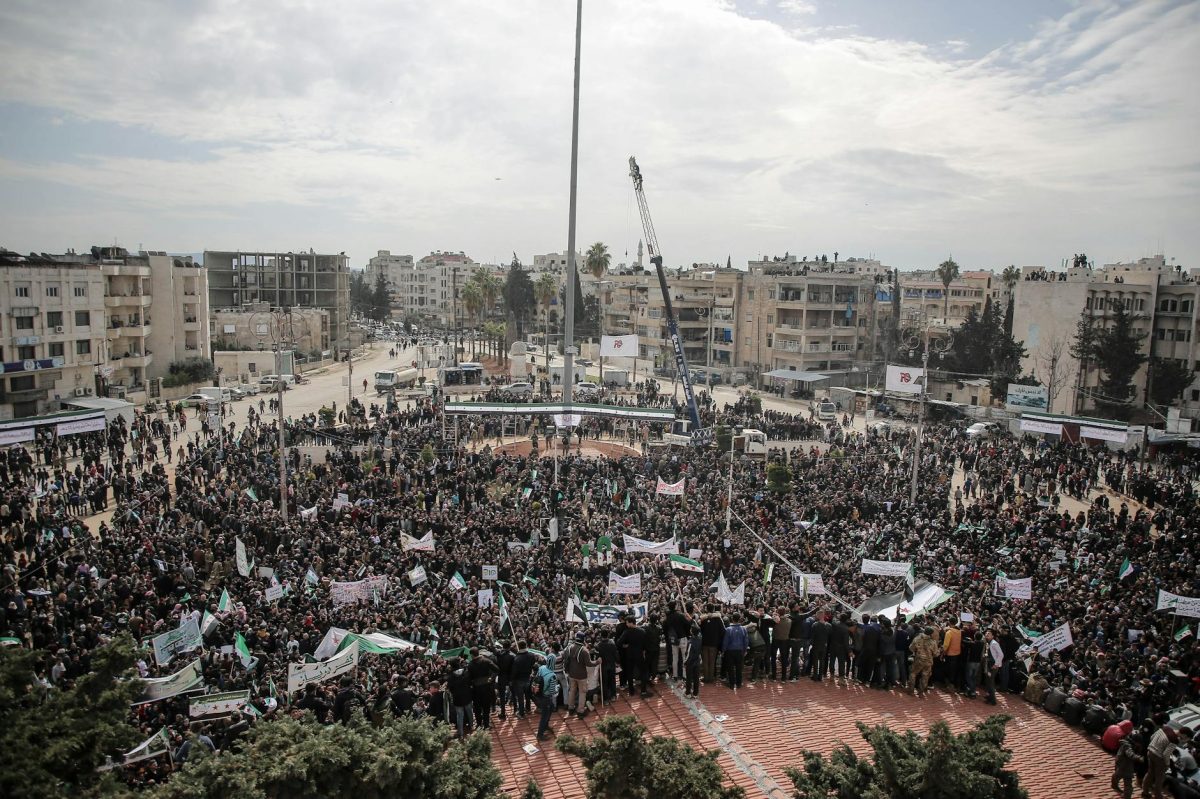
“A dissident in Tehran has described feeling helpless and under immense psychological pressure due to the threat of war with the US.”
What We Don't Know Yet
There are several unanswered questions surrounding the situation in Iran. For instance, it is unclear how the Iranian government will respond to the threat of war with the US. Additionally, the extent to which international pressure can influence the Iranian government's behavior remains unclear. Furthermore, the long-term effects of repression on individuals and communities in Iran are not yet fully understood. The role of social media in amplifying dissent in Iran is another area that requires further research.
What to Watch
In the next 24-72 hours, several key developments are likely to occur. The US and Iran may engage in further diplomatic efforts to de-escalate tensions. The Iranian government may also take steps to crack down on dissent, potentially leading to increased repression. Meanwhile, international organizations and human rights groups may speak out against the Iranian government's human rights record. Key individuals to watch include Iranian President Ebrahim Raisi and US Secretary of State Antony Blinken.
Despite the Iranian government's efforts to suppress dissent, Iran has one of the highest rates of social media usage in the Middle East, with over 50 million people using social media platforms to express their opinions and mobilize support for human rights.
The story of the dissident in Tehran serves as a reminder of the human cost of geopolitical tensions. As the situation in Iran continues to unfold, it is essential to prioritize the well-being and safety of individuals and communities. By doing so, we can work towards a more just and peaceful world.