Gaza Aid Flotilla Activists, Including Former Pakistani Senator Mushtaq Ahmad, Released After Israeli Interception

Former Pakistani Senator Mushtaq Ahmad, a prominent advocate for Palestinian rights, was among the over 100 activists intercepted by Israeli forces while attempting to deliver aid to Gaza. This incident highlights the ongoing humanitarian crisis in Gaza and the challenges faced by those seeking to provide aid to the region. The release of the activists raises questions about the Israeli government's treatment of humanitarian aid and the impact on civilians in Gaza.
Israeli Forces Intercept Gaza Aid Flotilla, Release Activists
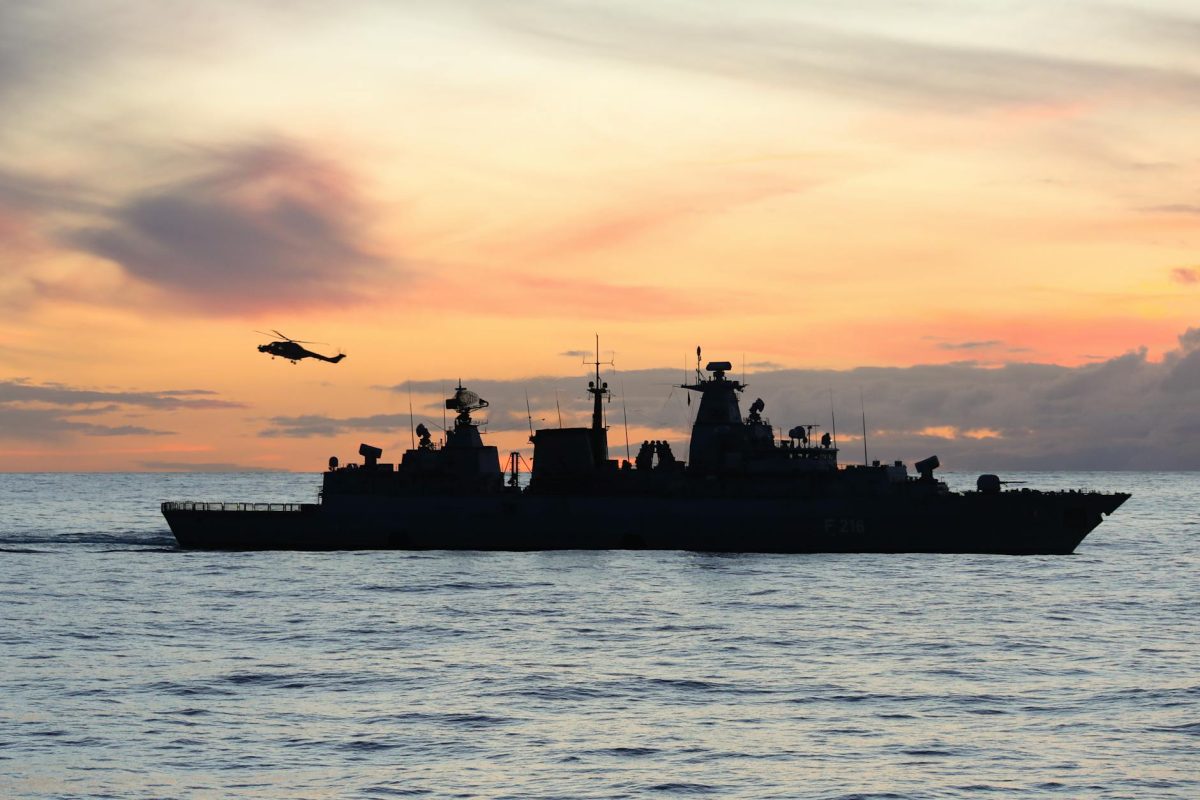
According to an account by Mushtaq Ahmad himself, the aid flotilla, which included six ships carrying medical supplies, food, and other essential aid, was intercepted by Israeli forces on Thursday. The activists were then taken into custody and held on the Israeli naval vessel 'Corona'. In a statement to The Jerusalem Post, Ahmad said, 'We were met with force, but we will not be deterred from our mission to provide aid to the people of Gaza.'_ The activists were later released and taken to the Greek island of Crete, where they will await further instructions. The Israeli government has not commented on the incident, but it is understood that the aid will be redirected to Gaza through other channels. The incident has sparked widespread condemnation from human rights groups and international organizations, with many calling for the release of all aid and the lifting of the blockade on Gaza. The humanitarian situation in Gaza remains dire, with widespread poverty, unemployment, and access to basic services such as healthcare and education. In a report by the United Nations Relief and Works Agency for Palestine Refugees in the Near East (UNRWA), it is estimated that over 2 million Palestinians in Gaza are in need of humanitarian assistance. The aid flotilla was attempting to deliver much-needed supplies to the region, including medical equipment, food, and building materials. The Israeli government has imposed a strict blockade on Gaza since 2007, which has had a devastating impact on the civilian population. The blockade has made it difficult for aid to enter the region, exacerbating the humanitarian crisis. The release of the activists raises questions about the Israeli government's treatment of humanitarian aid and the impact on civilians in Gaza. As Ahmad said, 'The people of Gaza are suffering, and we will continue to fight for their rights and their access to aid.'
The Humanitarian Crisis in Gaza: Why It Matters
The humanitarian crisis in Gaza is a pressing issue that affects not only the Palestinian people but also the international community. The ongoing blockade has led to widespread poverty, unemployment, and access to basic services such as healthcare and education. The humanitarian situation in Gaza is dire, with many civilians struggling to access basic necessities such as food, water, and shelter. The aid flotilla was attempting to deliver much-needed supplies to the region, including medical equipment, food, and building materials. The release of the activists raises questions about the Israeli government's treatment of humanitarian aid and the impact on civilians in Gaza. As Ahmad said, 'The people of Gaza are suffering, and we will continue to fight for their rights and their access to aid.' The humanitarian crisis in Gaza has serious implications for regional stability and global security. The continued blockade and restrictions on aid have created a sense of desperation among the Palestinian people, which can lead to increased tensions and conflict. It is essential that the international community supports efforts to alleviate the humanitarian crisis in Gaza and promotes a peaceful resolution to the conflict. In a statement to The Guardian, UNRWA spokesperson Chris Gunness said, 'The people of Gaza are trapped in a cycle of poverty, unemployment, and despair, and it is imperative that we take action to address this crisis.'

What We Don't Know Yet
Despite the release of the activists, many questions remain about the Israeli government's treatment of humanitarian aid and the impact on civilians in Gaza. The incident has sparked widespread condemnation from human rights groups and international organizations, with many calling for the release of all aid and the lifting of the blockade on Gaza. However, the Israeli government has not commented on the incident, and it is unclear how the aid will be redirected to Gaza. The humanitarian situation in Gaza remains dire, with widespread poverty, unemployment, and access to basic services such as healthcare and education. The blockade has made it difficult for aid to enter the region, exacerbating the humanitarian crisis. It is essential that the international community continues to monitor the situation in Gaza and advocates for the release of all aid and the lifting of the blockade. The incident highlights the need for greater transparency and accountability in the treatment of humanitarian aid in the region. As Ahmad said, 'We will continue to fight for the rights of the Palestinian people and their access to aid.'
What to Watch
The release of the activists raises several key questions about the Israeli government's treatment of humanitarian aid and the impact on civilians in Gaza. The incident has sparked widespread condemnation from human rights groups and international organizations, with many calling for the release of all aid and the lifting of the blockade on Gaza. In the coming days, it is essential to monitor the situation in Gaza and advocate for the release of all aid and the lifting of the blockade. The humanitarian situation in Gaza remains dire, with widespread poverty, unemployment, and access to basic services such as healthcare and education. The blockade has made it difficult for aid to enter the region, exacerbating the humanitarian crisis. Key parties to watch include the Israeli government, the Palestinian Authority, and international organizations such as the United Nations and the European Union. Realistic outcomes include the release of all aid and the lifting of the blockade on Gaza, as well as increased international pressure on the Israeli government to address the humanitarian crisis. In a statement to The New York Times, a spokesperson for the Israeli government said, 'We will continue to take all necessary measures to ensure the security and well-being of the Israeli people.'