How To Get Graffiti Permission: 10 Steps for Street Artists
Discover the best way to get permission for your street art from property owners, local authorities, and other stakeholders, while minimizing the risk of getting caught by law enforcement.
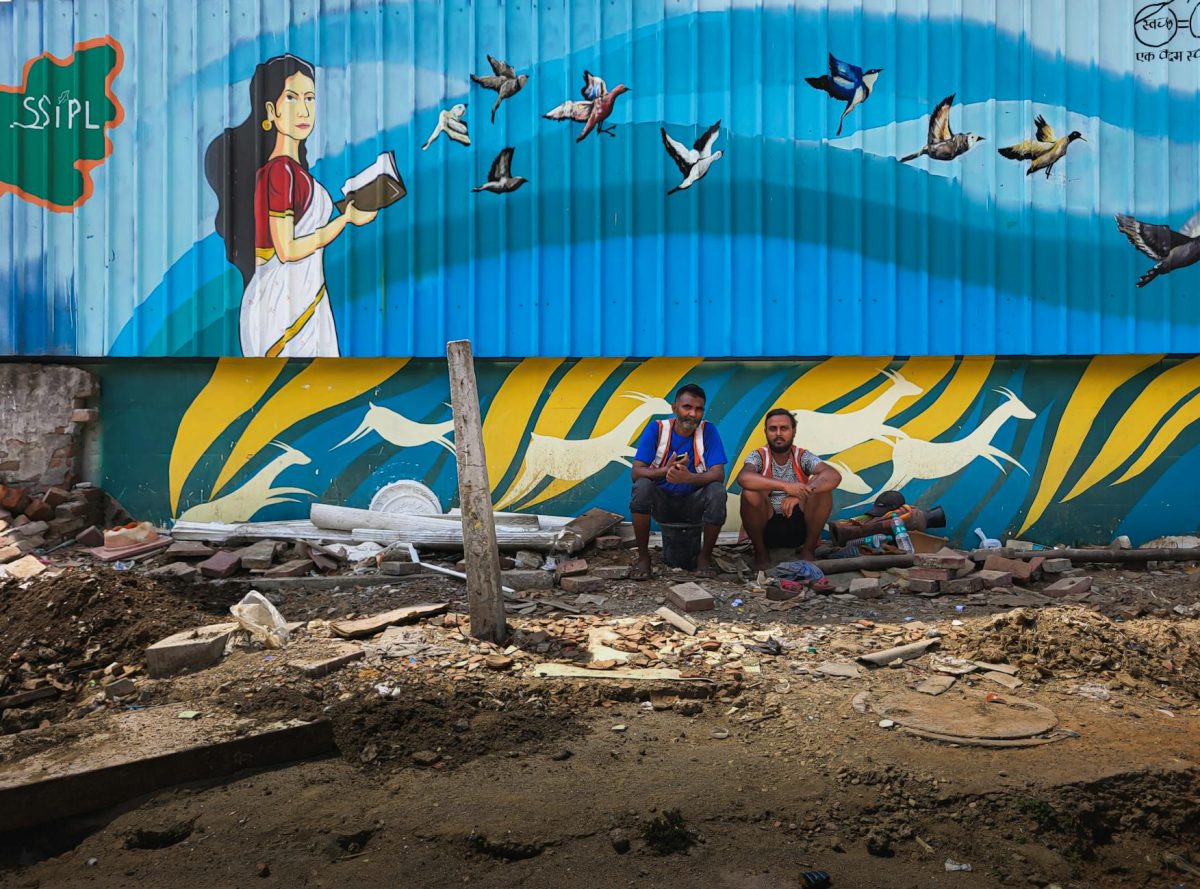
Are you a street artist looking for ways to showcase your work without breaking the law? Despite the challenges posed by restrictive graffiti laws, it's possible to get permission for your street art and engage with your community. In this guide, we'll show you the 10 steps you need to take to get permission for your street art, from researching local laws to building relationships with property owners.
Step 1: Research Local Graffiti Laws and Regulations
Understanding the local laws and regulations regarding street art is crucial before you start applying for permission. Visit the official websites of your city or town council to learn about the types of graffiti that are permitted, restricted, or prohibited. You can also use online resources like the Graffiti Removal Guide to get an overview of the laws in different cities.
Step 2: Identify Potential Locations for Your Street Art
Look for properties that are owned by individuals or businesses that might be open to having street art on their walls. You can use social media platforms like Instagram or Facebook to connect with potential property owners and ask for permission. Make sure to take high-quality photos of your work and share them with the property owners to give them an idea of what you plan to create.
Step 3: Reach Out to Property Owners and Explain Your Proposal
When reaching out to property owners, be clear about your intentions and the benefits of having street art on their walls. Explain how your art can enhance the aesthetic appeal of their property and bring the community together. Offer to work with them to come up with a design that they'll love, and be prepared to negotiate the terms of the agreement.
Step 4: Get a Permit or License for Your Street Art
Once you've received permission from the property owner, you'll need to obtain a permit or license from the local authorities. This will ensure that you're complying with the law and that your street art is not removed or vandalized. You can use online platforms like the City of Los Angeles's Street Art Permit to apply for a permit.
Step 5: Prepare Your Materials and Equipment
Before you start painting, make sure you have all the necessary materials and equipment. This includes high-quality paints, brushes, and a ladder or scaffolding. Consider investing in a portable power wash to clean the wall before you start painting. Remember to wear protective gear like gloves and a mask to avoid injury.
Step 6: Create a Design that Resonates with the Community
Take inspiration from the local culture and history when designing your street art. Consider the themes, colors, and styles that are popular in the area and incorporate them into your design. Use online resources like Behance or DeviantArt to get inspiration from other street artists. Make sure to involve the community in the design process to ensure that your art is relevant and meaningful.
Step 7: Build Relationships with Local Businesses and Residents
Building relationships with local businesses and residents is crucial to getting permission for your street art. Attend community events, join local art groups, and participate in online forums to connect with people who might be interested in your art. Offer to create murals or street art for local businesses in exchange for permission to create art on their walls.
Step 8: Monitor and Maintain Your Street Art
Once your street art is complete, make sure to monitor it regularly to ensure that it remains intact. You can use online platforms like Street Art Utopia to report any damage or vandalism. Consider offering to repaint or refurbish your art every few months to keep it looking fresh and vibrant.
Step 9: Engage with the Community and Promote Your Art
Engage with the community by hosting events, workshops, or tours to showcase your street art. Use social media platforms like Instagram or Facebook to promote your art and connect with potential fans. Consider partnering with local businesses to sell merchandise or donate a portion of your profits to a local charity.
Step 10: Continuously Improve and Adapt Your Street Art
Continuously improve and adapt your street art by taking feedback from the community and incorporating new techniques and styles. Use online resources like Skillshare or Udemy to learn new skills and stay up-to-date with the latest trends in street art. Consider collaborating with other street artists to create larger-than-life murals or street art installations.
When applying for permission, be honest and transparent about your intentions and the benefits of your street art. Property owners and local authorities are more likely to grant you permission if they believe that your art will enhance the community and bring people together.
By following these 10 steps, you can get permission for your street art and engage with your community. Remember to continuously improve and adapt your art to ensure that it remains relevant and meaningful to the people around you. Next time you're planning to create street art, remember to get permission and involve the community in the design process.