How To Prepare for an Oil Price Spike in 6 Steps
Expert advice to protect your wallet and reduce financial stress in the face of market volatility
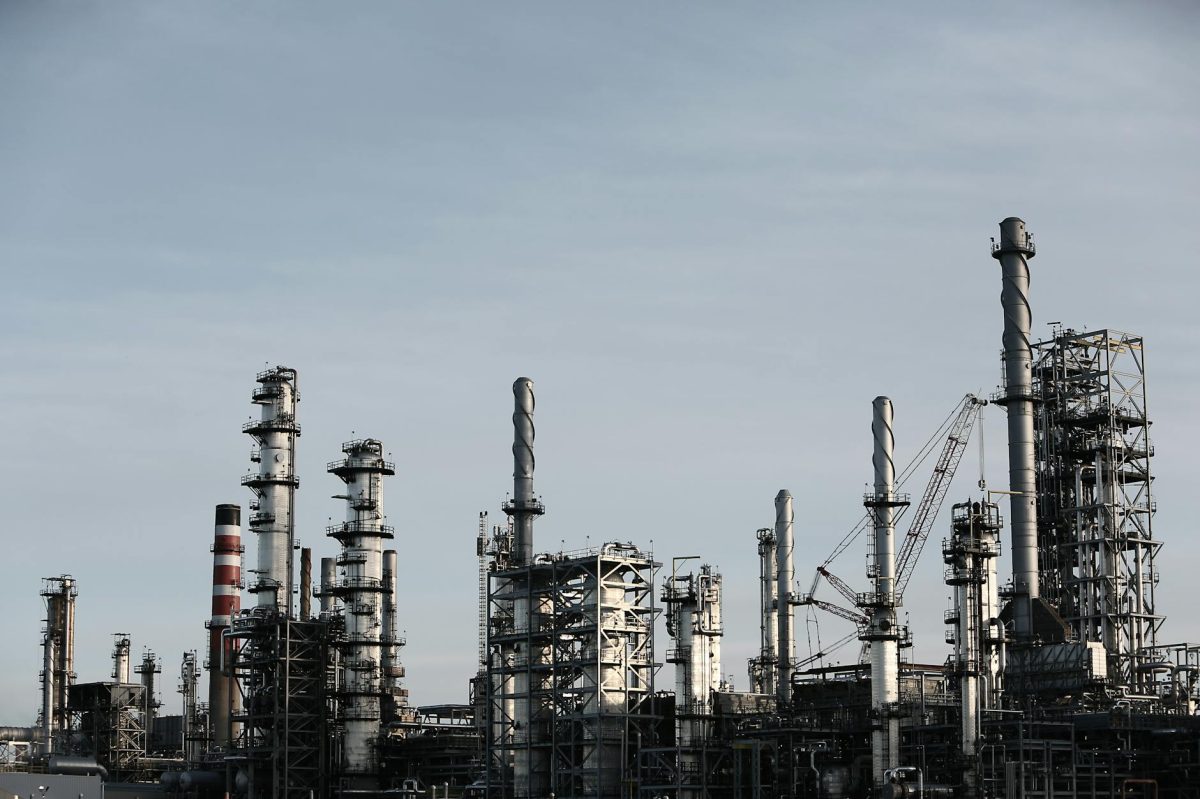
Oil prices are notoriously unpredictable, but there are steps you can take to safeguard your finances and stay ahead of the curve. With the recent news of France considering a windfall tax on oil profits, it's more crucial than ever to have a plan in place. In this guide, we'll walk you through the key strategies to help you prepare for an oil price spike and maintain financial stability.
Step 1: **Diversify** Your Investment Portfolio
To mitigate the impact of an oil price spike, consider diversifying your investment portfolio by allocating your assets across various asset classes, such as stocks, bonds, and commodities. You can use tools like eToro or Binance to explore different investment options. Aim to allocate 10-20% of your portfolio to commodities, including oil. This will help you ride out market fluctuations and potentially profit from the volatility.
Step 2: **Build an Emergency Fund**
An emergency fund is essential for covering unexpected expenses, such as higher fuel costs, during an oil price spike. Aim to save 3-6 months' worth of living expenses in a readily accessible savings account, like a high-yield savings account from Ally or Marcus. This fund will provide a financial cushion and allow you to weather the storm without going into debt.
Step 3: **Optimize Your Budget**
Review your budget to identify areas where you can cut back on non-essential expenses and allocate that money towards more pressing financial goals, such as paying off high-interest debt or building your emergency fund. Use tools like Mint or Personal Capital to track your expenses and stay on top of your finances.
Step 4: **Invest in Renewable Energy**
Consider investing in renewable energy sources, such as solar or wind power, to reduce your reliance on fossil fuels and potentially profit from the transition to clean energy. You can use platforms like Mosaic or Sunrun to explore investment opportunities in renewable energy projects.
Step 5: **Develop a Long-Term Plan**
Create a long-term plan to achieve your financial goals, including saving for retirement, paying off debt, and building wealth. Use tools like NerdWallet or LearnVest to develop a personalized financial plan and stay on track with your goals.
Step 6: **Stay Informed and Adapt**
Stay up-to-date with market news and trends to anticipate potential oil price spikes and adjust your strategy accordingly. Use resources like Bloomberg or OilPrice.com to stay informed and make data-driven decisions about your investments.
Some experts predict that oil prices could reach $100 or more per barrel in the coming years, making it essential to have a contingency plan in place. By following these steps, you can reduce your financial stress and stay ahead of the curve in the face of market volatility.
By following these steps, you'll be well-prepared to weather an oil price spike and maintain financial stability. Remember to stay informed, adapt to changing market conditions, and make data-driven decisions about your investments. With the right strategy in place, you can navigate the ups and downs of the oil market with confidence.