How To Improve Fire Safety In Densely Populated Cities: 7 Essential Tips
Learn how to protect yourself and your loved ones from the risks of urban fires with these practical and actionable steps
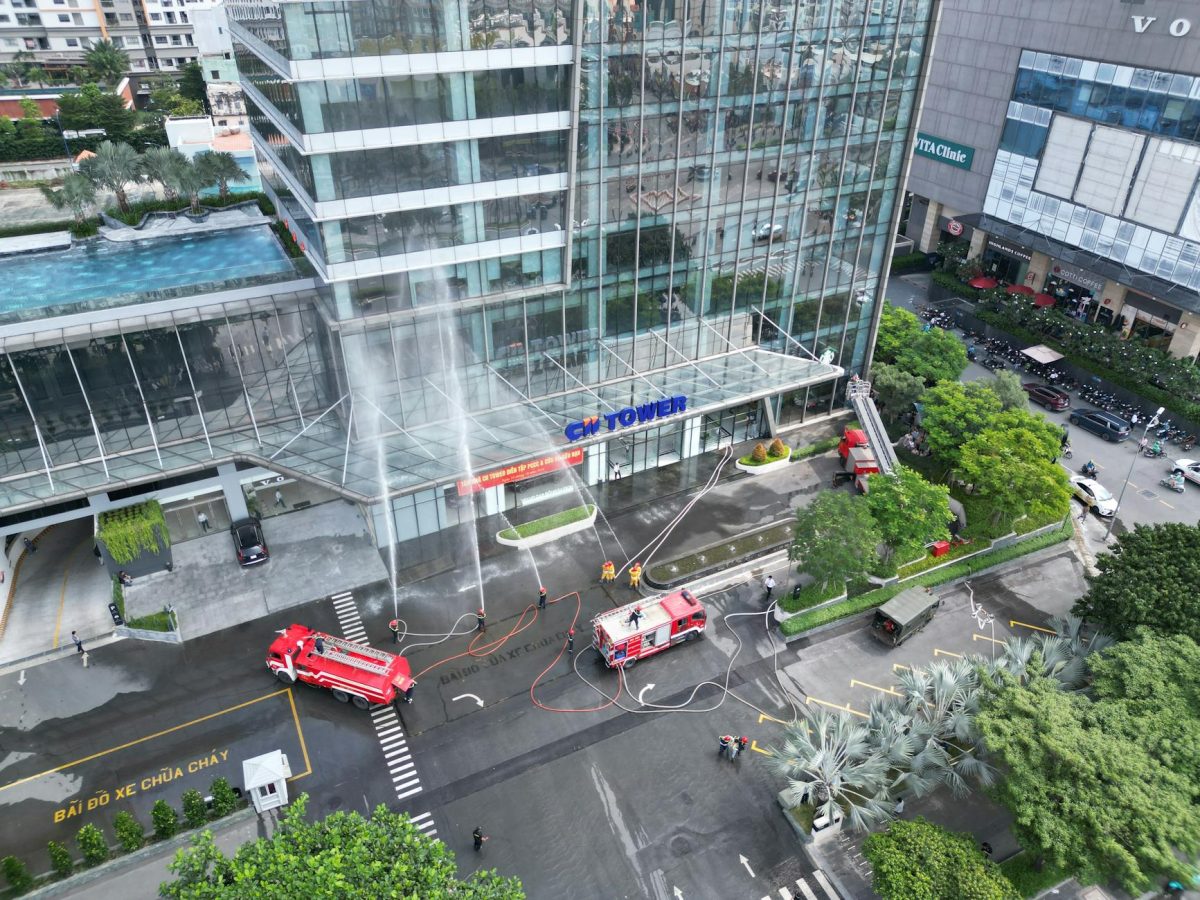
Urban fires can be devastating, causing loss of life and property. With densely populated cities like Tehran facing increasing fire risks, it's essential to take proactive steps to ensure your safety. In this guide, we'll show you how to improve fire safety in densely populated cities with 7 actionable tips that you can implement today.
Step 1: Conduct a Fire Risk Assessment of Your Home or Building
A fire risk assessment is a thorough evaluation of potential fire hazards in your home or building. Use the NFPA 101 Fire Safety Checklist to identify potential fire hazards and take corrective action. Identify any fire risks, such as electrical issues, open flames, or storage of flammable materials, and report them to the relevant authorities.
Step 2: Install Working Smoke Alarms and Carbon Monoxide Detectors
Working smoke alarms and carbon monoxide detectors can save lives in the event of a fire. Install them on every level of your home and inside each sleeping area. Choose smoke alarms that meet local building codes and are certified by a reputable testing organization like UL or ETL.
Step 3: Create an Evacuation Plan and Practice It with Your Family
Develop a comprehensive evacuation plan with your family, including multiple escape routes and a meeting point outside the building. Practice your plan twice a year and review it with your family to ensure everyone knows what to do in case of a fire. Use the FEMA Evacuation Plan template to create your plan.
Step 4: Store Flammable Materials and Liquids Safely
Store flammable materials, such as gasoline, paint, or propane, in well-ventilated areas, away from heat sources and ignition sources. Label each container with its contents and store them in airtight containers. Use the EPA's Safer Choice website to find safer alternatives to hazardous materials.
Step 5: Regularly Inspect and Maintain Your Home or Building's Electrical System
Electrical fires can be caused by faulty wiring, overloaded outlets, or damaged cords. Inspect your electrical system regularly, looking for signs of wear, damage, or overheating. Replace any faulty wiring or appliances and report any issues to the relevant authorities.
Step 6: Keep Emergency Phone Numbers Handy and Know Your Fire Department's Contact Information
In the event of a fire, every minute counts. Save the phone numbers of your local fire department and emergency services in your phone or on a printed card. Keep a fire extinguisher and a first aid kit easily accessible.
Step 7: Stay Informed and Educate Your Loved Ones About Fire Safety
Stay informed about fire safety by reading blogs, attending seminars, or taking online courses. Share your knowledge with your loved ones and educate them on how to prevent fires and respond in case of an emergency. Use the National Fire Protection Association's (NFPA) Fire Safety Guide to learn more about fire safety and prevention.
Don't rely on a single fire safety measure to protect you and your loved ones. Instead, implement a combination of measures, such as smoke alarms, fire extinguishers, and regular inspections, to ensure maximum safety.
By following these 7 essential tips, you can improve fire safety in densely populated cities and protect yourself and your loved ones from the risks of urban fires. Remember to stay informed and educated on fire safety to stay safe. Take the first step today and review your home or building's fire safety measures with your family.