How To Protect Your Family From Medical Emergencies in 7 Steps
Learn the crucial steps to safeguard your loved ones' health and well-being during unexpected hospitalizations
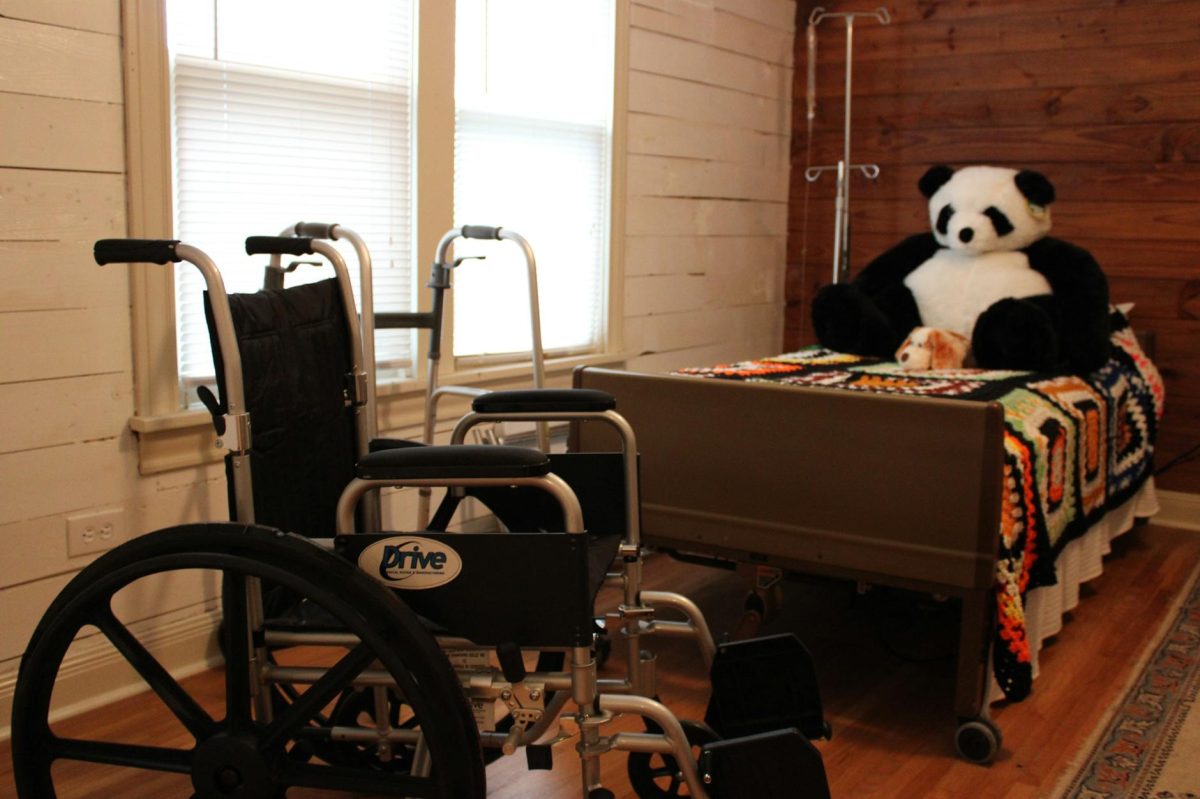
Medical emergencies can strike anyone, at any time. As seen in recent high-profile cases, like Rudy Giuliani's hospitalization, being unprepared can have devastating consequences. In this guide, you'll learn the essential steps to protect your family from medical emergencies and ensure a smooth recovery.
Step 1: **Create a Family Health Profile**
Gather essential information about each family member, including medical history, allergies, medications, and emergency contact details. Use a digital tool like Google Forms or Microsoft OneNote to store and easily access this information. Make sure to update the profile regularly to reflect any changes. This step will help ensure that medical professionals have the necessary information to provide the best possible care.
Step 2: Develop an Emergency Contact List
Compile a list of trusted contacts, including family friends, neighbors, and professional caregivers. Make sure to include their phone numbers, email addresses, and any relevant medical information. Use a tool like CareZone or AARP's Caregiving App to manage and share this list with others. This will help ensure that your family receives prompt support and communication during an emergency.
Step 3: **Understand Your Health Insurance**
Familiarize yourself with your health insurance policy, including coverage, deductibles, and out-of-pocket costs. Use online resources like the Health Insurance Marketplace or your insurance provider's website to review and understand your plan. This step will help you navigate the complex healthcare system and make informed decisions during an emergency.
Step 4: Establish a Communication Plan
Designate a primary contact person to communicate with medical professionals, insurance companies, and other stakeholders. Use a tool like WhatsApp or a shared Google Calendar to stay connected and coordinate efforts. This step will help ensure that your family receives timely updates and support during an emergency.
Step 5: **Identify Local Emergency Resources**
Research local hospitals, emergency services, and support groups in your area. Use online directories like the American Hospital Association or the National Association of Social Workers to find resources and services. This step will help you prepare for potential emergencies and access necessary care.
Step 6: **Stay Informed About Medical Emergencies**
Stay up-to-date with the latest medical research, emergency response guidelines, and public health alerts. Use online resources like the Centers for Disease Control and Prevention (CDC) or the World Health Organization (WHO) to stay informed. This step will help you make informed decisions and take proactive steps to protect your family's health.
Step 7: Review and Update Your Plan Regularly
Schedule regular reviews of your emergency plan to ensure it remains relevant and effective. Use a digital tool like Trello or Evernote to track progress and updates. This step will help you stay on top of changes and ensure that your family remains protected in the face of medical emergencies.
Don't underestimate the importance of mental health support during medical emergencies. Consider adding a mental health professional to your emergency contact list and exploring resources like crisis hotlines or online therapy sessions.
By following these 7 steps, you'll be better equipped to protect your family from medical emergencies and ensure a smooth recovery. Remember to review and update your plan regularly to stay prepared for any situation. Take the first step today and safeguard your loved ones' health and well-being.