How To Create A Sustainable Home Birdwatching Space In 7 Steps
Discover the best ways to bring birds to your backyard and support conservation efforts while learning from the Japanese ornithologist's remarkable journey.
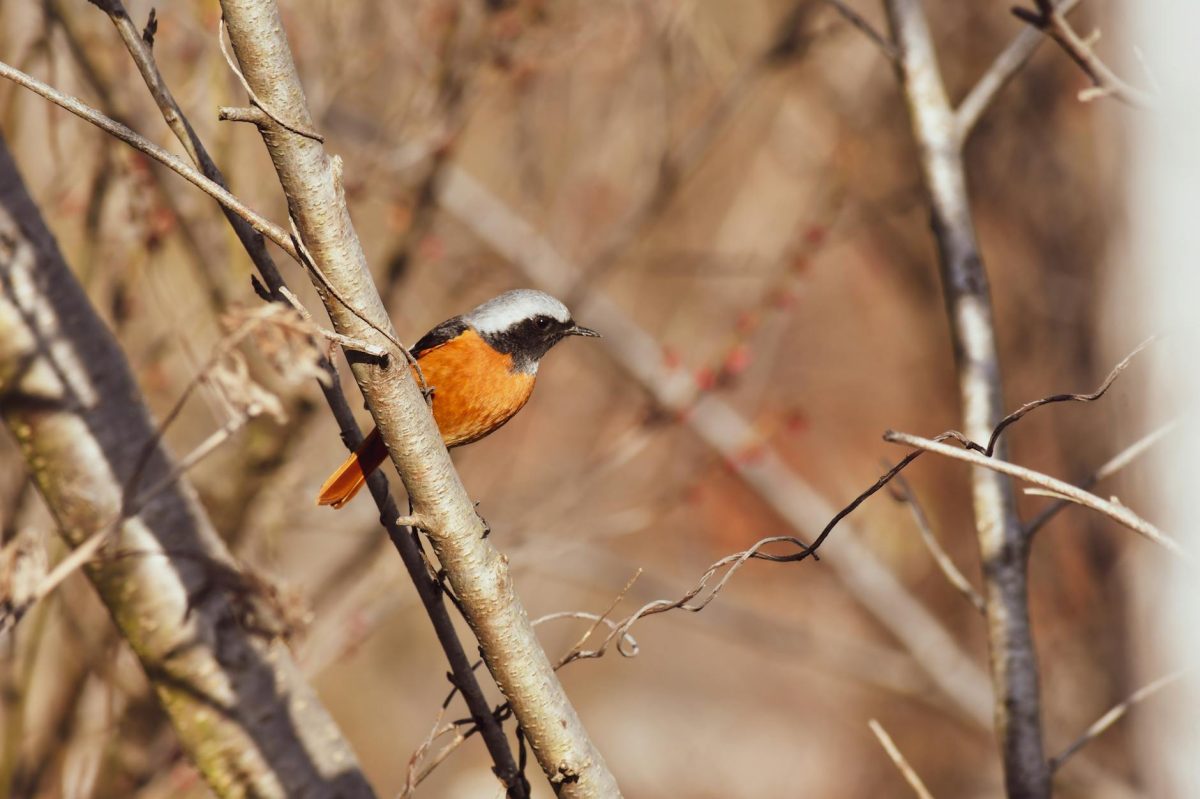
As the environment continues to change, it's essential to create a haven for birds and other wildlife in your backyard. By learning from Japanese ornithologist's remarkable journey, you can discover the best ways to create a sustainable home birdwatching space and support conservation efforts. In this guide, you'll learn 7 easy steps to bring birds to your backyard and contribute to the preservation of their habitats.
Step 1: **Assess** Your Yard's Bird-Friendly Potential
Start by evaluating your yard's bird-friendly features, such as food sources, water availability, and shelter. Use online tools like the Audubon Society's Bird-Friendly Yard Checklist to identify areas for improvement. Consider planting native plants, installing a birdbath, or creating a bird feeder station to attract more birds to your yard.
Step 2: **Choose** The Right Birdseed And Feeders
Select birdseed that is free from additives and pesticides, such as black oil sunflower seeds or nyjer seeds. Use bird-friendly feeders, like tube feeders or saucer feeders, that allow birds to easily access the food. Consider using a bird feeder with a roof or canopy to protect birds from the elements.
Step 3: **Provide** A Safe And Clean Drinking Water Source
Install a birdbath or a shallow dish with fresh water and a few rocks for perching. Change the water frequently to prevent bacterial growth and keep the area clean. Consider adding a mister or a dripper to provide a refreshing drink for the birds.
Step 4: **Create** A Bird-Friendly Habitat With Native Plants
Plant native plants that provide food, shelter, and breeding grounds for birds. Choose plants that are suitable for your climate and region, such as coneflower, black-eyed Susan, or shrub oak. Consider creating a pollinator garden or a meadow to attract a variety of bird species.
Step 5: **Avoid** Using Chemical Pesticides And Herbicides
Replace chemical pesticides and herbicides with natural alternatives, such as neem oil or diatomaceous earth. Use physical barriers, like fine mesh or row covers, to prevent pests from reaching your plants. Consider using a gardening calendar to plan your pesticide-free gardening schedule.
Step 6: **Monitor** Your Yard's Bird Activity And Adjust
Use bird-watching apps, like Merlin Bird ID or iBird Pro, to identify the birds visiting your yard. Track your observations to identify patterns and trends. Adjust your bird-friendly features and plantings based on your findings to create a more inviting habitat for birds.
Step 7: **Learn** From Local Birding Experts And Conservation Organizations
Connect with local birding clubs, conservation organizations, or wildlife experts to learn about the best birding practices in your area. Attend workshops, webinars, or online courses to gain insights into bird behavior, habitat creation, and conservation efforts. Participate in citizen science projects or bird counts to contribute to the preservation of bird populations.
Remember to respect local regulations and birding etiquette, such as not feeding baby birds or using invasive species in your yard. By being a responsible birdwatcher, you can help preserve the beauty and diversity of bird populations worldwide.
By following these 7 steps, you can create a sustainable home birdwatching space that attracts a variety of bird species and supports conservation efforts. Remember to stay up-to-date with local birding practices and continue to learn and adapt to the changing environment. Start your bird-friendly journey today and make a positive impact on the world of birds!