How To Encourage Creative Problem Solving In Kids: 7 Tips
Foster your child's inventive spirit and teach them essential life skills by embracing a tool-using mindset
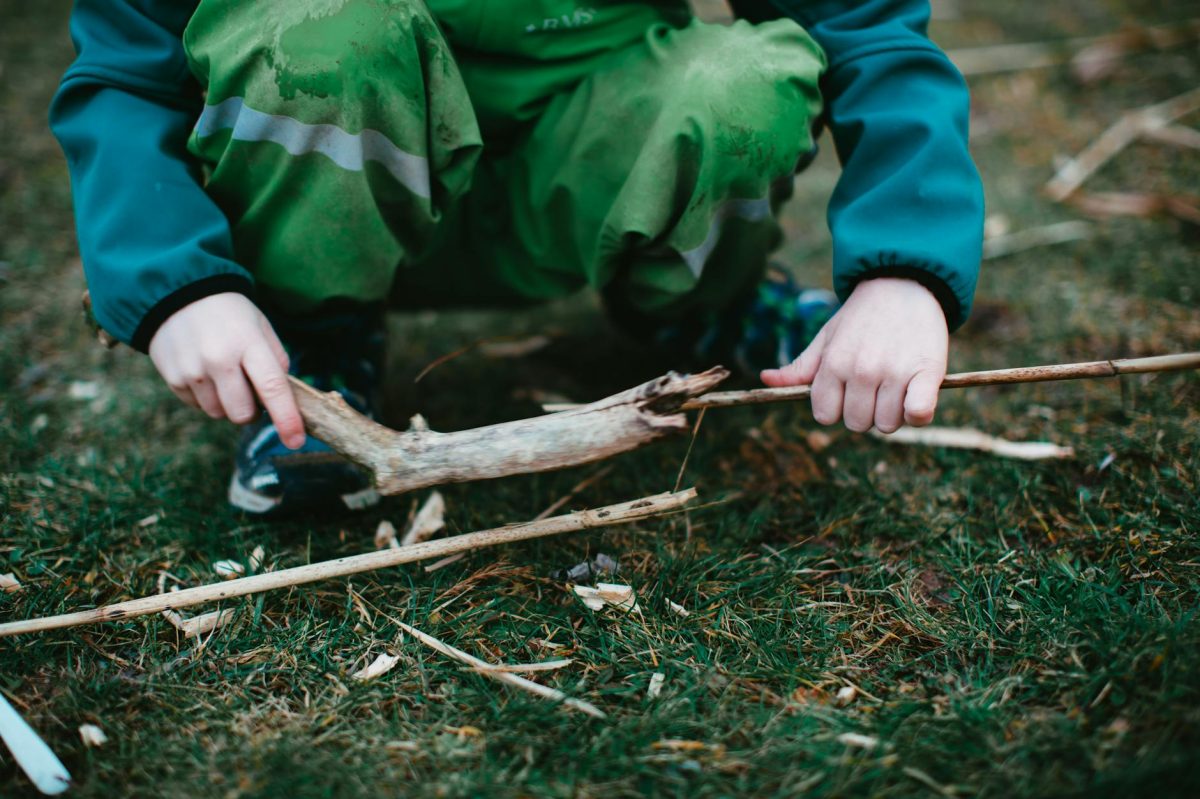
As a parent, you want your child to develop essential skills like creativity, resourcefulness, and critical thinking. Research has shown that young children's inventive use of tools in solving everyday problems is similar to that of wild apes, without formal instruction. By adopting these 7 tips, you can encourage your child's creative problem-solving skills and set them up for success in life.
Step 1: **Provide Open-Ended Play**
Set up a play area with a variety of tools, such as blocks, Legos, scissors, and glue. Allow your child to explore and experiment with these materials without any specific instructions or goals. This open-ended play enables your child to develop their problem-solving skills and encourages creative thinking.
Step 2: **Model Tool Use**
Show your child how to use tools in a real-world context, such as using a hammer to hang a picture or a screwdriver to assemble furniture. Demonstrate the proper technique and safety precautions to ensure your child learns from your example.
Step 3: **Encourage Trial and Error**
Allow your child to experiment and try different solutions to a problem, even if they fail. Praise their efforts and encourage them to think critically about their mistakes. This helps your child develop a growth mindset and builds resilience.
Step 4: **Use Everyday Objects as Tools**
Show your child how to repurpose everyday objects as tools, such as using a straw as a makeshift pencil holder or a cardboard box as a building material. This teaches your child to think creatively and resourcefully.
Step 5: **Teach Safety Precautions**
Educate your child on basic safety precautions when using tools, such as wearing protective gear, using tools correctly, and avoiding hazards. This helps your child develop essential life skills and prevents accidents.
Step 6: **Create a Tool Kit**
Assemble a child-friendly tool kit with a variety of tools, such as safety scissors, a hammer, and a screwdriver. Encourage your child to use these tools to complete tasks and projects, promoting independence and self-confidence.
Step 7: **Celebrate Creativity**
Praise and celebrate your child's creative efforts and innovative solutions, even if they don't work out as planned. This encourages your child to continue exploring and experimenting, fostering a love of learning and creativity.
Make tool use a part of your daily routine, such as using a toolbox to complete a simple task, like building a birdhouse or fixing a bike.
By following these 7 tips, you can encourage your child's creative problem-solving skills and help them develop essential life skills. Remember to praise and celebrate their efforts, and provide a supportive environment for them to explore and experiment. As your child grows, they'll become more confident and resourceful, equipped to tackle any challenge that comes their way.