How To Stay Safe in Conflict Zones: 7 Steps for Survival
Protect yourself from the devastating effects of war and terrorism with this practical guide.
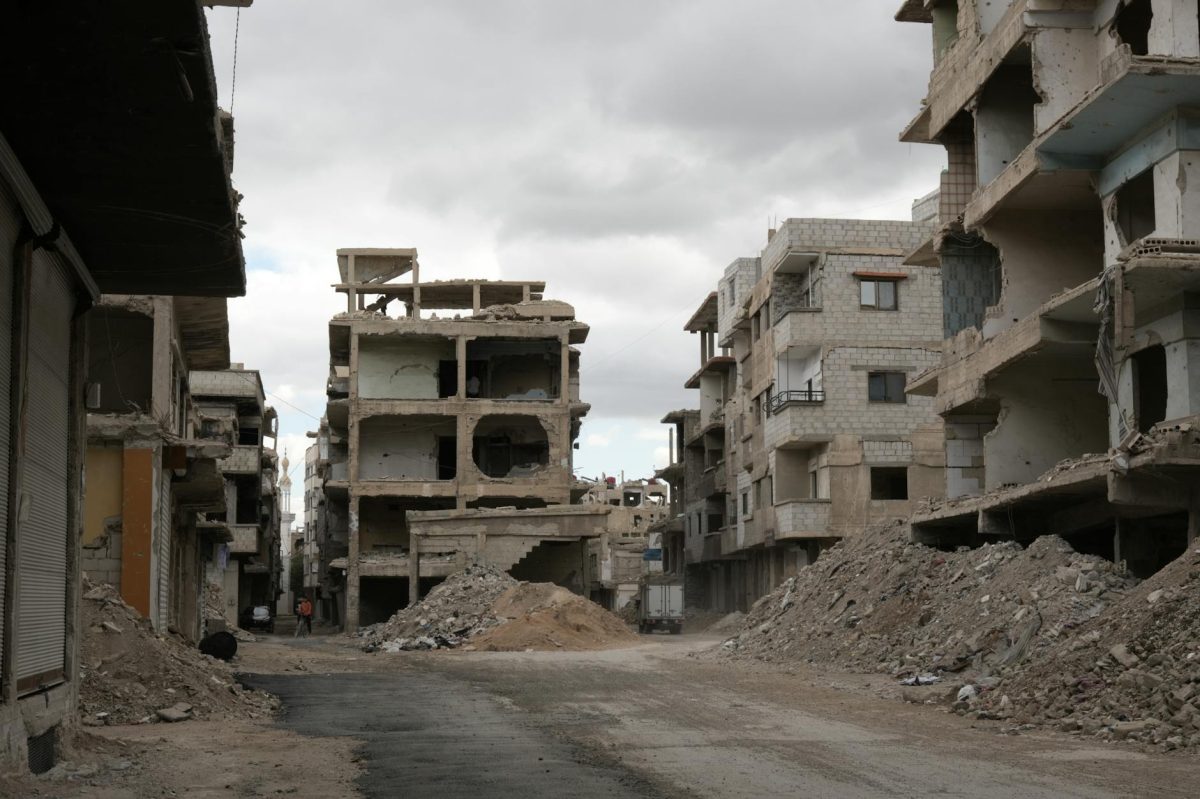
Conflicts and wars have been a persistent threat to global security, leaving millions of people injured or displaced. If you're planning to travel to or live in a conflict zone, it's essential to know how to stay safe. In this guide, we'll walk you through the 7 essential steps for survival in conflict zones.
Step 1: **Stay Informed** about the Conflict Zone
Before traveling to or living in a conflict zone, research the local situation and stay up-to-date with the latest news and developments. Follow reliable news sources, such as the BBC, Al Jazeera, or the United Nations, to get accurate information about the conflict. You can also use online forums and social media groups to connect with other expats or travelers who have experience living in the area.
Step 2: **Know the Local Laws and Customs**
Understand the local laws, regulations, and customs to avoid unintended conflicts or misunderstandings. Familiarize yourself with the local language, dress code, and cultural norms to show respect and avoid drawing attention to yourself. For example, in some countries, it's customary to remove your shoes before entering a home or mosque.
Step 3: **Choose a Safe Location**
Select a safe and secure location to live or stay, such as a hotel or a residential area with 24/7 security. Avoid areas near conflict zones, military bases, or other high-risk areas. You can use online resources like Google Maps or mapping apps to identify safe zones and plan your route.
Step 4: **Create a Safety Plan**
Develop a safety plan in case of an emergency, including a emergency contact list, a safe meeting point, and a emergency fund. Identify potential escape routes and safe houses, and make sure you have a means of communication, such as a phone or satellite phone. You can use online tools like emergency apps or websites to help you create a safety plan.
Step 5: **Protect Your Identity**
Protect your personal identity and avoid drawing attention to yourself by using a VPN, a secure email service, and a encrypted messaging app. Use a pseudonym or a nickname instead of your real name, and avoid sharing sensitive information about yourself online. For example, you can use a service like ProtonMail or Signal to secure your online communications.
Step 6: **Stay Connected with Family and Friends**
Stay in touch with your loved ones back home by using a secure communication app, such as WhatsApp or Telegram. Share your itinerary and travel plans with them, and make sure they know how to reach you in case of an emergency. You can also use online resources like emergency contact apps or websites to help you stay connected with your loved ones.
Step 7: **Prepare for an Emergency**
Pack an emergency kit with essential items, such as food, water, first aid supplies, and a battery-powered radio. Make sure you have a plan for evacuation, including transportation and shelter. You can also use online resources like emergency kits or websites to help you prepare for an emergency.
Many people overlook the importance of having a emergency fund in case of an unexpected event. Make sure you have enough savings to cover at least 3-6 months of living expenses in case you need to evacuate or seek medical attention.
By following these 7 steps, you can significantly reduce your risk of injury or harm in a conflict zone. Remember to stay informed, know the local laws and customs, and create a safety plan in case of an emergency. Stay safe and vigilant, and always prioritize your well-being.