How To Lower Your Opioid Risk As A Patient in 2026
Discover the best practices to minimize opioid use and prioritize your health
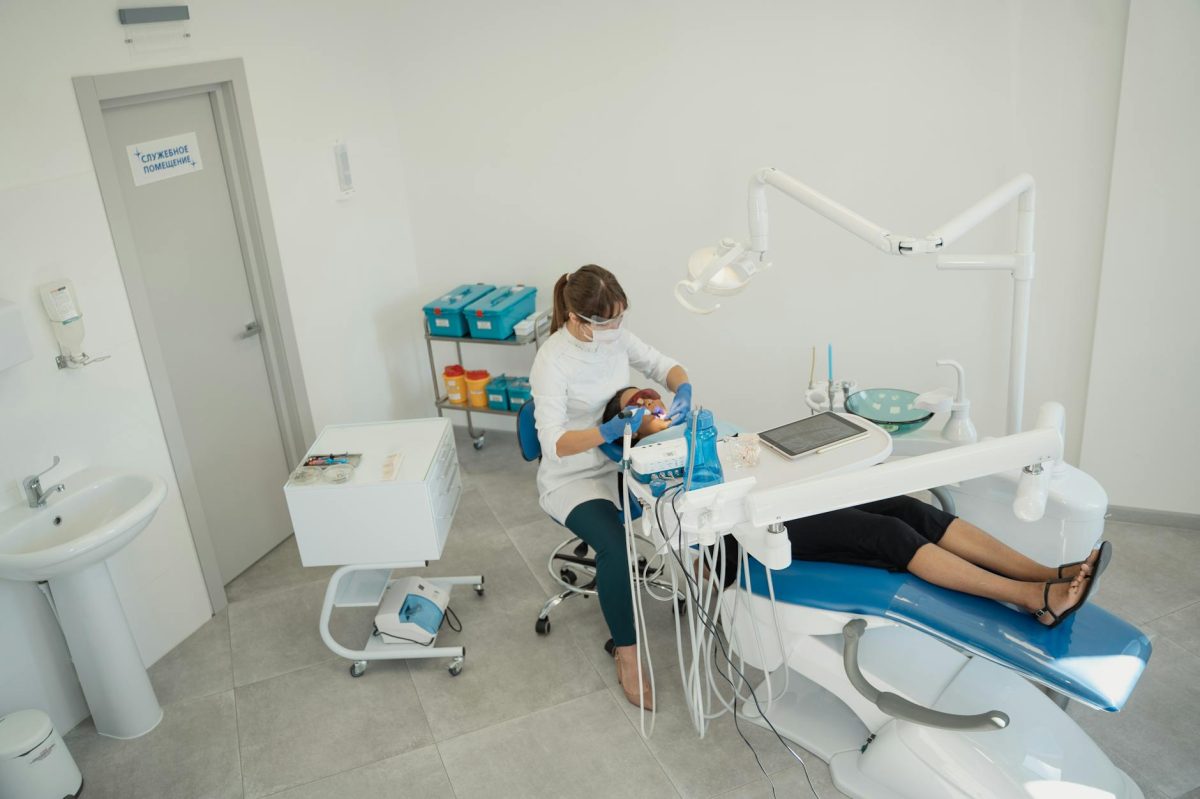
Opioids can be a crucial pain management tool, but their overuse has led to severe health consequences. As a patient, it's essential to understand your role in minimizing opioid use and maintaining a safe relationship with your dentist. In this guide, you'll learn 5 practical tips to lower your opioid risk and prioritize your health in 2026.
Step 1: **Ask Questions** About Opioid Use Before Surgery
Before undergoing any dental procedure, ask your dentist about their opioid use policies and alternative pain management options. Inquire about the types of opioids they prescribe and the potential risks associated with them. You can also ask about their experience with non-opioid pain management techniques, such as lidocaine or benzocaine injections. This conversation will help you understand your dentist's approach to opioid use and make informed decisions about your care.
Step 2: **Review Your Medical History** to Identify Opioid Risks
Your medical history plays a significant role in determining your opioid risk. Review your medical records to identify any conditions, medications, or allergies that may increase your risk of opioid dependence. Share this information with your dentist to ensure they're aware of your unique situation and can make informed decisions about pain management. You can use online medical record platforms like MyMedicalRecords or HealthVault to access your medical history.
Step 3: **Explore Alternative Pain Management Options**
Non-opioid pain management options, such as lidocaine or benzocaine injections, can be effective alternatives to opioids. Discuss these options with your dentist to determine the best approach for your specific needs. You can also research online resources like the American Dental Association's (ADA) website, which provides information on pain management and opioid use.
Step 4: **Monitor Your Opioid Use** and Report Changes
After undergoing a dental procedure, monitor your opioid use and report any changes to your dentist. Keep track of the number of pills you've taken, the duration of your pain, and any side effects you experience. If you notice any unusual changes, such as increased pain or dependence, report them to your dentist promptly. You can use mobile apps like MyTherapy or Pain Coach to track your opioid use and report changes to your dentist.
Step 5: **Build a Strong Patient-Dentist Relationship**
A strong patient-dentist relationship is crucial in managing opioid use and prioritizing your health. Build trust with your dentist by being open and honest about your medical history, pain levels, and concerns. Regularly communicate with your dentist to ensure you're receiving the best possible care and minimizing opioid use. You can use online platforms like Zocdoc or Healthgrades to find dentists in your area and schedule appointments with confidence.
Proactively addressing opioid use and pain management can help you avoid complications and maintain a healthy relationship with your dentist. Don't hesitate to ask questions or seek a second opinion if you're concerned about opioid use or pain management.
By following these 5 practical tips, you'll be better equipped to lower your opioid risk and prioritize your health in 2026. Remember to stay informed, communicate openly with your dentist, and explore alternative pain management options to minimize opioid use. Take control of your health and prioritize your safety today.