How To Revitalize Your Business with Sustainable Production Methods
Discover the Best Ways to Implement Eco-Friendly Manufacturing Practices and Boost Your Bottom Line
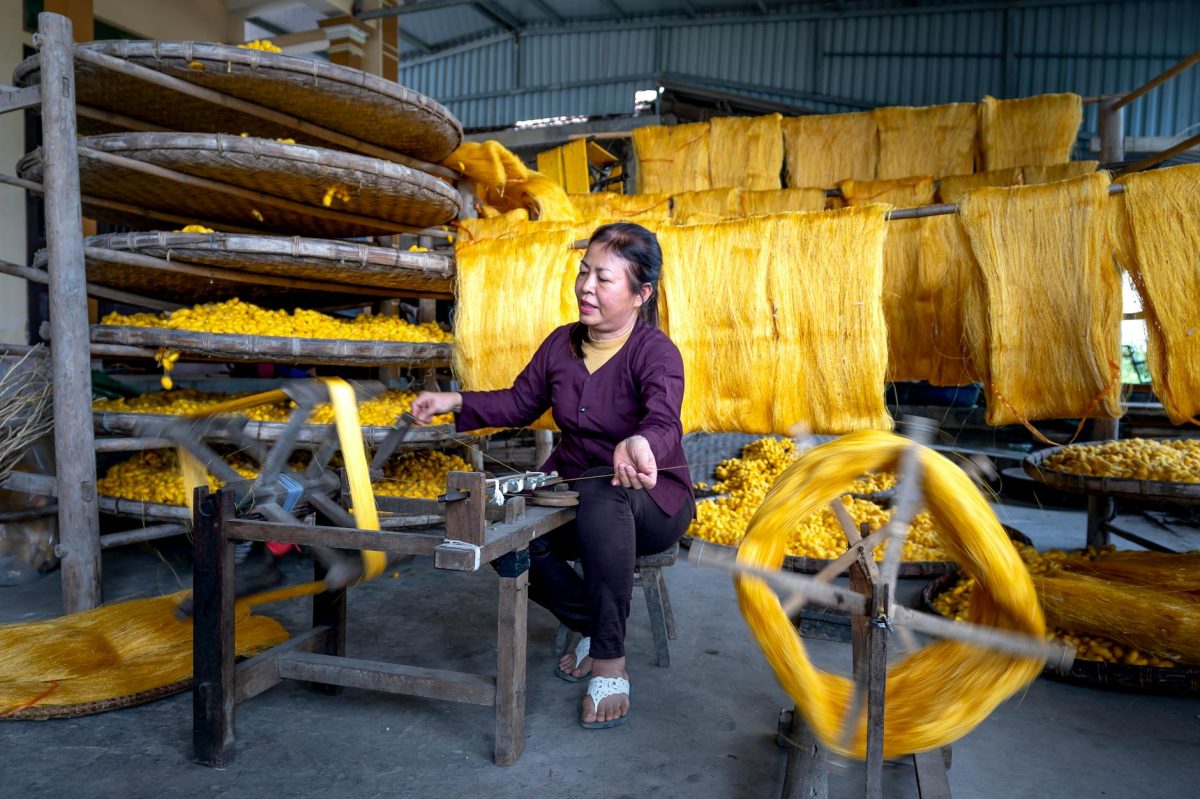
As the world shifts towards more environmentally conscious practices, businesses are under pressure to adopt sustainable production methods. Not only is this good for the planet, but it can also lead to increased efficiency, reduced costs, and a stronger brand reputation. In this guide, we'll show you how to implement sustainable production methods and revitalize your business.
Step 1: Assess Your Current Production Process
Analyze your current production process to identify areas where you can improve efficiency and reduce waste. Use tools like the Higg Index or the Product Sustainability Index to assess your environmental impact. Consider factors like energy consumption, water usage, and waste management. By understanding your current production process, you can identify opportunities for improvement and develop a plan for implementing sustainable practices.
Step 2: Implement Energy-Efficient Solutions
Invest in energy-efficient solutions like LED lighting, solar panels, or renewable energy sources. Consider installing energy-saving measures like motion sensors or timers to reduce energy waste. You can also explore alternative energy sources like hydrogen fuel cells or geothermal energy. By reducing your energy consumption, you can lower your carbon footprint and save on energy costs.
Step 3: Optimize Your Supply Chain
Streamline your supply chain by reducing transportation costs, improving logistics, and minimizing packaging waste. Consider partnering with suppliers who share your commitment to sustainability. Use tools like the Environmental Protection Agency's (EPA) Green Supply Chain Program or the Supply Chain Sustainability Initiative to identify areas for improvement. By optimizing your supply chain, you can reduce your environmental impact and improve your bottom line.
Step 4: Develop a Waste Reduction Plan
Reduce, Reuse, and Recycle waste by implementing a comprehensive waste reduction plan. Identify areas where waste is generated and develop strategies to minimize it. Consider implementing recycling programs, composting initiatives, or donating surplus materials to reduce waste. By reducing waste, you can lower your environmental impact and save on disposal costs.
Step 5: Incorporate Sustainable Materials
Invest in sustainable materials like recycled paper, bamboo, or bioplastics. Consider using locally sourced materials or partnering with suppliers who use environmentally friendly materials. Use tools like the Material Sustainability Index or the Life Cycle Assessment (LCA) to evaluate the environmental impact of your materials. By incorporating sustainable materials, you can reduce your environmental footprint and improve your brand reputation.
Step 6: Monitor and Report Progress
Track your progress by monitoring key performance indicators (KPIs) like energy consumption, waste reduction, and supply chain efficiency. Use tools like the Sustainability Reporting Framework or the Global Reporting Initiative (GRI) to report your progress. Consider sharing your sustainability story with stakeholders through an annual report or a sustainability report. By monitoring and reporting your progress, you can demonstrate your commitment to sustainability and improve your brand reputation.
Consider **auditing** your waste streams to identify areas where you can improve waste reduction. This can help you develop a more effective waste reduction plan and reduce waste costs.
By following these steps, you can revitalize your business with sustainable production methods and improve your bottom line. Remember to continuously monitor and report your progress to stay on track and demonstrate your commitment to sustainability. Next, consider exploring innovative technologies like 3D printing or biotechnology to further optimize your production process.