How To Create Your Own AI-Powered Robot in 10 Steps
Transform Your Business with Custom AI Solutions and Humanoid Robots
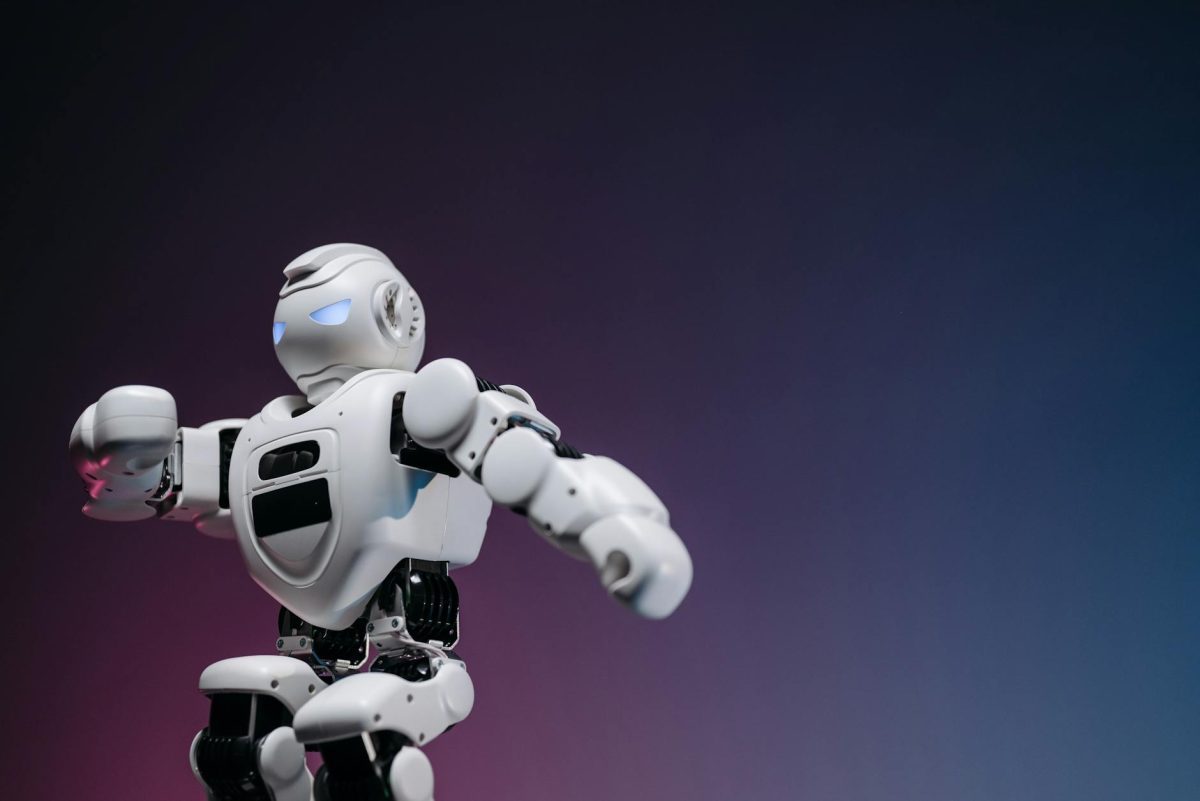
Are you fascinated by the latest advancements in artificial intelligence and robotics? With the rise of AI-powered robots, businesses and individuals are now able to create their own custom solutions. In this guide, we'll walk you through the 10 steps to create your own AI-powered robot, from conceptualization to deployment.
Step 1: Define Your Robot's Purpose and Requirements
Identify your robot's purpose, such as automation, assistance, or entertainment. Determine the tasks it will perform, the environment it will operate in, and the level of complexity required. This will help you decide on the robot's design, hardware, and software. For example, a robot designed for industrial automation may require advanced sensors and actuators, while a robot for household assistance may need a more user-friendly interface.
Step 2: Choose the Right Hardware and Software
Select the necessary hardware components, such as microcontrollers, sensors, motors, and power supplies. Choose a suitable programming language and development environment, such as Python, C++, or ROS. Consider using pre-built AI libraries and frameworks, such as TensorFlow or OpenCV, to simplify the development process. Research and compare different options to ensure compatibility and efficiency.
Step 3: Design and Simulate Your Robot's Movement and Behavior
Use computer-aided design (CAD) software, such as Autodesk or Fusion 360, to create a digital model of your robot. Simulate its movement and behavior using tools like Blender or Unity. This will help you optimize the design, detect potential issues, and refine the robot's performance. For example, you can test the robot's navigation and obstacle avoidance capabilities in a virtual environment before moving to physical prototyping.
Step 4: Develop and Test Your Robot's AI Algorithms
Implement AI algorithms for tasks like object recognition, motion planning, and decision-making. Use machine learning libraries and frameworks to train and fine-tune your models. Test and refine your algorithms using datasets and simulations. For instance, you can train a model on images of different objects to improve the robot's object recognition capabilities.
Step 5: Assemble and Integrate the Robot's Components
Assemble the robot's hardware components, such as the microcontroller, sensors, and motors. Integrate the software components, including the AI algorithms, into the robot's system. Ensure that all components are properly connected and communicating with each other. Use tools like Arduino or Raspberry Pi to simplify the integration process.
Step 6: Program and Test the Robot's Behavior and Movement
Write and debug the robot's code using a programming language like Python or C++. Test the robot's behavior and movement in a controlled environment, such as a lab or a simulation. Refine the robot's performance and address any issues that arise during testing. For example, you can test the robot's navigation and obstacle avoidance capabilities in a physical environment.
Step 7: Refine and Iterate the Robot's Design and Performance
Gather feedback from users, stakeholders, or experts on the robot's design and performance. Refine the design and make necessary changes to improve the robot's performance. Iterate the development process to ensure that the robot meets its intended purpose and requirements. For instance, you can refine the robot's user interface to make it more user-friendly.
Step 8: Deploy and Maintain the Robot in a Real-World Environment
Deploy the robot in a real-world environment, such as a factory, a hospital, or a home. Monitor the robot's performance and address any issues that arise during deployment. Regularly update and maintain the robot's software and hardware to ensure optimal performance and security. For example, you can schedule regular software updates to fix bugs and improve performance.
Step 9: Continuously Improve and Update the Robot's AI and Performance
Continuously collect and analyze data on the robot's performance and user feedback. Use this data to improve and update the robot's AI and performance. Implement new AI technologies and techniques to stay ahead of the competition. For instance, you can integrate the robot with other smart devices to improve its overall performance.
Step 10: Scale and Repurpose the Robot for Different Applications
Once the robot has been successfully deployed and refined, consider scaling it for different applications or industries. Repurpose the robot's design and technology to create new products or services. For example, you can repurpose a robot designed for industrial automation to create a robot for household assistance or entertainment.
Don't underestimate the importance of user testing and feedback in the development process. Engage with potential users and stakeholders to gather valuable insights and refine the robot's design and performance.
By following these 10 steps, you can create your own AI-powered robot and transform your business or personal projects. Don't be afraid to experiment and innovate – the possibilities are endless in the world of robotics and AI.