Honor Robot Sprints Past Human Half-Marathon World Record in Beijing

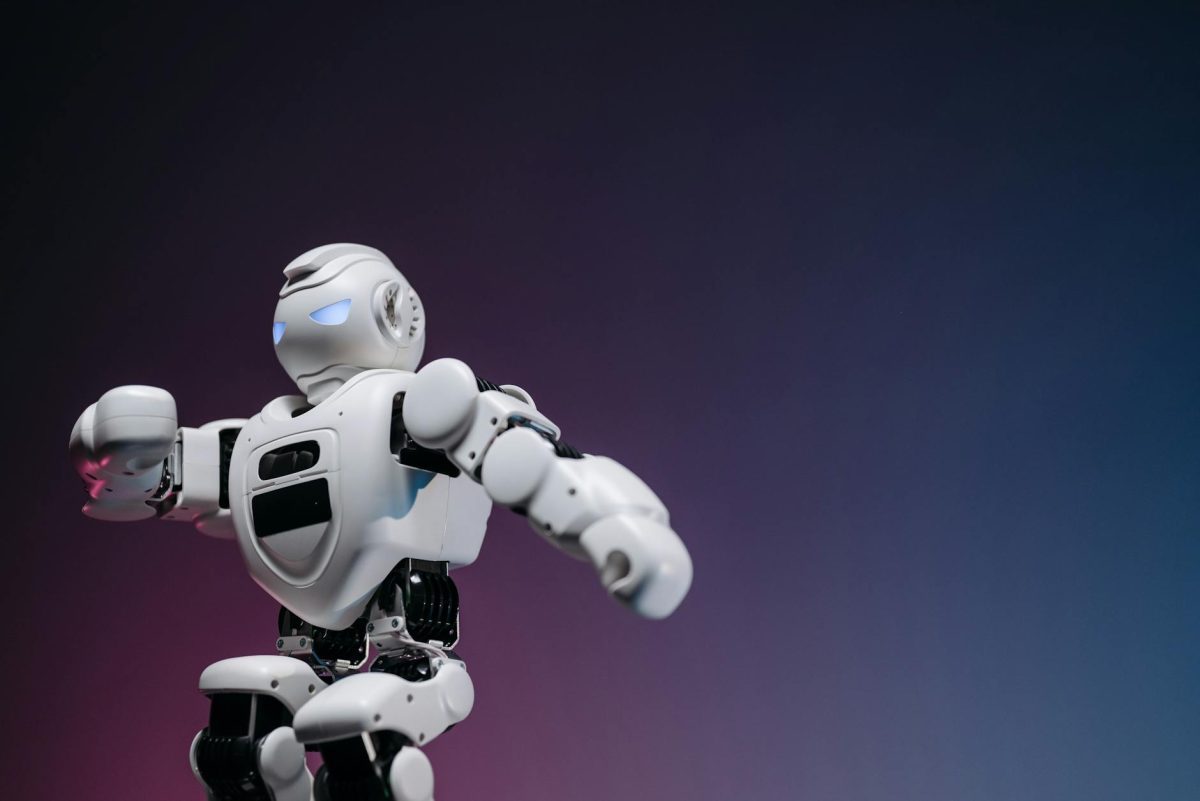
Honor Robot Sprints Past Human Half-Marathon World Record in Beijing
Chinese smartphone maker's humanoid robot completes 21.0975-kilometer race in 50 minutes and 26 seconds, outpacing human record.
 By 🔗 Original source
A humanoid robot developed by Honor, a Chinese smartphone manufacturer, has shattered the human half-marathon world record in a competition held in Beijing. This achievement highlights China's rapid progress in robotics and artificial intelligence. The robot's speed and endurance have significant implications for the future of human-robot collaboration and competition.
Humanoid Robot Sets New Half-Marathon Record
According to reports, the Honor robot completed the 21.0975-kilometer half-marathon in 50 minutes and 26 seconds, surpassing the human world record. This achievement was confirmed by an Honor spokesperson, who stated that the robot's performance was monitored and verified by officials from the International Association of Athletics Federations (IAAF). The robot's speed and agility were impressive, with one observer noting that it maintained a consistent pace throughout the race. "The robot's ability to maintain a high speed over a long distance is a testament to the advancements in robotics and AI, and it has significant implications for various industries, including logistics and healthcare," said Dr. Zhang, a robotics expert from Beijing University of Technology. Account to China Daily.
Implications for Human-Robot Collaboration
The Honor robot's record-breaking performance has sparked debates about the future of human-robot collaboration. While some experts argue that robots will eventually surpass human capabilities in various tasks, others believe that humans and robots will continue to complement each other. Increased efficiency and productivity are expected to be major benefits of human-robot collaboration, particularly in industries such as manufacturing and healthcare. However, this also raises concerns about job displacement and the need for workers to adapt to new technologies. As Dr. Lee, a labor expert from the Chinese Academy of Social Sciences, noted: "The rise of robots will require us to rethink our social safety net and provide training and education programs for workers who may lose their jobs due to automation."


“The robot's ability to maintain a high speed over a long distance is a testament to the advancements in robotics and AI, and it has significant implications for various industries, including logistics and healthcare," said Dr. Zhang, a robotics expert from Beijing University of Technology.”
Uncertainties and Concerns
While the Honor robot's achievement is impressive, there are still many uncertainties and concerns surrounding the development and deployment of humanoid robots. One major concern is the potential for job displacement, particularly in industries where robots can perform tasks more efficiently and accurately. Additionally, there are concerns about the safety and security of robots, particularly in situations where they may be interacting with humans. Furthermore, the development of humanoid robots raises questions about the ethics of robotics and the need for regulations to ensure that these robots are developed and used responsibly. As Dr. Wang, a robotics ethicist from the University of Hong Kong, noted: "We need to have a more nuanced discussion about the development of humanoid robots and their potential impact on society."
Key Takeaways
- Honor's humanoid robot set a new half-marathon world record in Beijing, completing the 21.0975-kilometer race in 50 minutes and 26 seconds.
- The robot's performance highlights China's rapid progress in robotics and artificial intelligence.
- The development of humanoid robots raises concerns about job displacement, safety, and security.
- Increased investment in robotics and AI research is expected in the coming years, particularly in China.
What to Watch
In the coming weeks and months, we can expect to see more developments in the field of humanoid robotics. Key players to watch include Honor, which has already announced plans to develop more advanced robots, and other Chinese tech giants such as Huawei and Xiaomi. We can also expect to see increased investment in robotics and AI research, particularly in China, which is already a leader in these fields. Furthermore, we can expect to see more debates and discussions about the ethics and regulations surrounding humanoid robots. The next major development in humanoid robotics is likely to be the introduction of robots that can perform complex tasks, such as surgery and transportation, with greater precision and accuracy than humans.
Interestingly, the Honor robot's achievement was made possible by a unique gait pattern that allowed it to maintain a consistent pace, which is actually less efficient than the human gait pattern, but more suitable for robotic systems.
The Honor robot's achievement is a significant milestone in the development of humanoid robotics, but it also highlights the need for us to consider the implications of these technologies on society. As we move forward, it is essential that we prioritize ethics, safety, and security in the development and deployment of humanoid robots.