EU Summit in Brussels Leaves Budget Negotiations Unresolved, Red Lines Intact

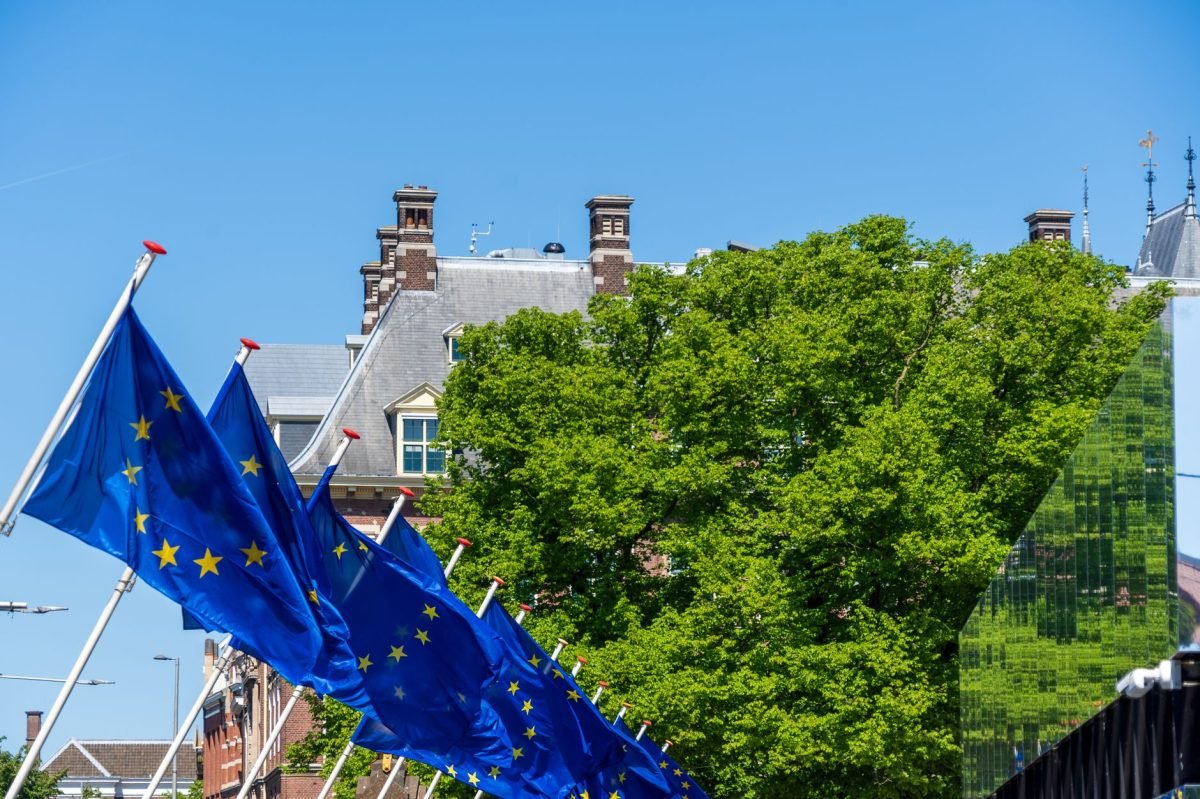
On Thursday, the European Council session in Brussels ended without a consensus on the €1.2 trillion budget for 2025. The meeting, which ran late into the night, was marked by sharp exchanges over pension reforms and migration spending. The failure to reach an agreement threatens to delay the EU’s fiscal roadmap and could push member states into a funding vacuum. This outcome underscores the growing strain within the EU’s political architecture.
What Happened at the Brussels Summit
The final day of the EU summit, held in the European Commission’s headquarters on Rue de la Loi, saw 27 heads of state and government clash over the shape of the 2025 budget. German Chancellor Olaf Scholz, Italian Prime Minister Giorgia Meloni, and French President Emmanuel Macron were among those who pushed for a stricter focus on debt reduction and a higher contribution from the richest member states. The meeting concluded with a no‑deal declaration, a first in the EU’s history of fiscal negotiations. According to an account by Politico, the leaders left the room with no binding agreement, leaving the European Commission’s budget proposal in limbo. A small but telling detail was the decision to postpone the final vote to the next European Council meeting in June, giving the EU a three‑month window to reconcile differences.
Why This Matters for European Citizens
The absence of a finalized budget means that EU‑funded programs—ranging from regional development funds to research grants—could face delays or cuts. Ordinary citizens may see postponed infrastructure projects in their regions, affecting local employment and economic growth. Additionally, the uncertainty over the budget may influence the European Central Bank’s monetary policy decisions, potentially affecting interest rates and inflation across the bloc. On a broader scale, the failure signals a deepening rift among member states, which could erode confidence in the EU’s ability to manage collective crises. This could lead to increased calls for national sovereignty and a reconsideration of fiscal integration within the EU.

“German Finance Minister Christian Lindner told reporters after the summit that the EU must not let the budget slip and that Germany will support a compromise that respects each country’s fiscal responsibility.”
What We Don’t Know Yet
Key uncertainties remain about the final composition of the 2025 budget. It is unclear whether the European Commission’s proposal of €1.2 trillion will be adopted in its current form or if significant amendments will be introduced. The extent to which the EU will adjust its migration and defense spending remains unknown, as does the potential impact on the EU’s debt ceiling. Moreover, the political dynamics within the European Parliament, which will need to ratify the budget, have not been fully clarified. The timeline for any agreement is also uncertain, with the possibility of a last‑minute compromise or a continued stalemate.
Key Takeaways
- The 2025 EU budget remains unresolved after the Brussels summit.
- The lack of agreement risks delaying EU‑funded projects and economic growth.
- Member states face a three‑month window to reconcile fiscal differences.
- The outcome will affect EU monetary policy and regional development funds.
- A compromise may require concessions on migration and defense spending.
What to Watch in the Next 24–72 Hours
Observers should monitor the European Council’s follow‑up meeting scheduled for Monday, where leaders are expected to revisit the budget draft. Key developments to watch include the potential inclusion of a new climate‑funding tranche and any concessions on pension reforms. The European Commission will likely release a revised draft within the next 48 hours, providing insight into the direction of negotiations. In parallel, the European Parliament’s plenary session will convene to discuss the draft’s compatibility with the EU’s fiscal rules. Finally, media outlets in member states will report on any diplomatic exchanges that could signal a shift toward compromise.
The EU’s 2024 budget proposal includes €20 billion earmarked for climate tech, a 10% increase from the previous year, according to the European Commission.
The Brussels summit’s failure to finalize the 2025 budget casts a shadow over the EU’s fiscal stability. While the three‑month window offers a chance for compromise, the political gridlock underscores the fragility of the EU’s collective decision‑making. Citizens across the bloc will be watching closely, as the outcome could reshape funding for infrastructure, research, and social programs. In the meantime, policymakers must balance national interests with the EU’s shared future.


